How to pronounce The /g/ as in GET /g/ in American English
One of the most common consonants in American English. Hear it in go, get, good, give.
The /g/ consonant, the sound at the start of get, go, and good, is a heavy, voiced sound made way at the back of your mouth. Press the back of your tongue against the soft palate to block the air, turn on your voice to build up pressure, then drop your tongue to release it. It's the same mouth shape as the /k/ in kite, just with the vocal cords vibrating. At the end of an American word like dog or bag, we usually don't release the /g/ at all, the tongue goes up and just stays there.
Three small adjustments.
Get them right and the sound takes care of itself.
Raise the back of your tongue to touch the soft palate. Add vocal cord vibration, then release.
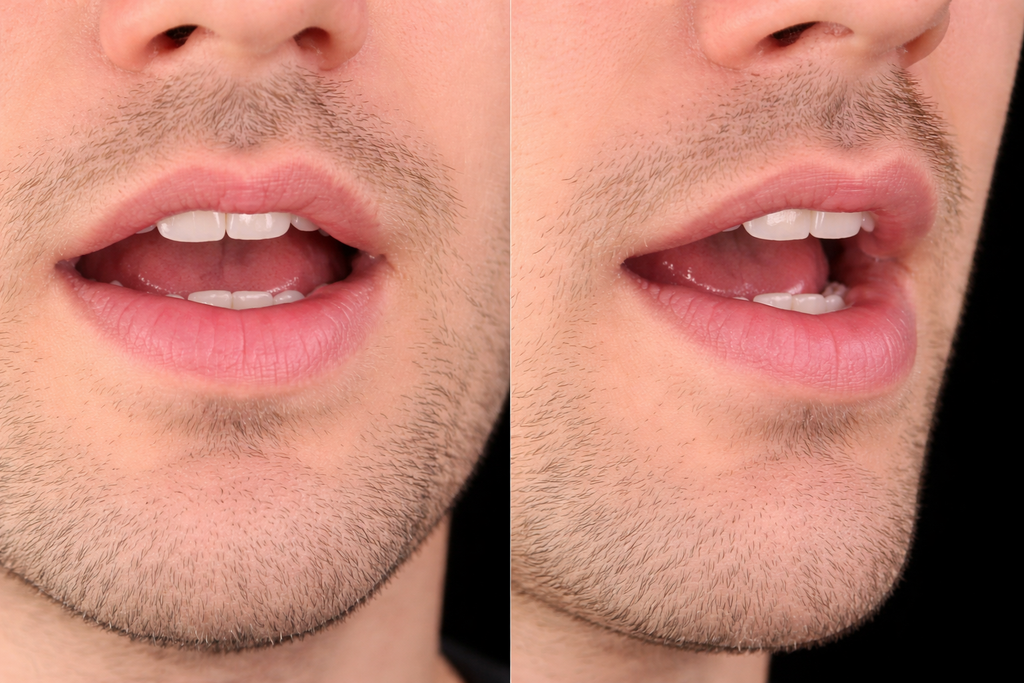
Mouth shape
/g/ as in go
Tongue
The back rises to contact the soft palate.
Lips
Slightly apart.
Two things to remember.
Same position as K, but with vocal cord vibration.
The release is softer and less explosive than the K. The vocal cord vibration carries the sound rather than a strong burst of air.
16 everyday words.
Tap any word for its full breakdown — every reduction, every flap-T.
In real conversation.
5 short sentences where this sound shows up. Tap to play; click the title for the full breakdown.
Connected-speech rules involving /g/.
Each rule has its own page with examples and practice tips.
Common questions about /g/.
What's the difference between the /g/ and /k/ sounds?
How do I know when G makes a hard /g/ sound versus a soft J sound?
Why is the /g/ hard to hear at the end of words like "dog"?

Practice /g/ with an AI coach.
SayWaader is the AI pronunciation coach for American English. Practice 5 minutes a day. Get a 5-axes accent assessment. Sound like you live here.