How to pronounce The GO Diphthong /oʊ/ in American English
One of the most common diphthongs in American English. Hear it in go, home, slow, show.
The /oʊ/ vowel, the go sound, is a two-part gliding vowel Americans use in words like home, boat, cold, and show. Start with your jaw mid-open and lips slightly relaxed, then actively round your lips into a tight circle as your jaw lifts. That motion is what gives the American /oʊ/ its stretch. Spanish and Japanese speakers often cut it short and treat it as a single flat vowel, which is why boat and road can come out sounding clipped. Let the lips finish the job and the sound lands.
Three small adjustments.
Get them right and the sound takes care of itself.
Start with your mouth slightly open, then close your jaw slightly as your lips round. Shift your tongue back slightly, then stretch the back up.
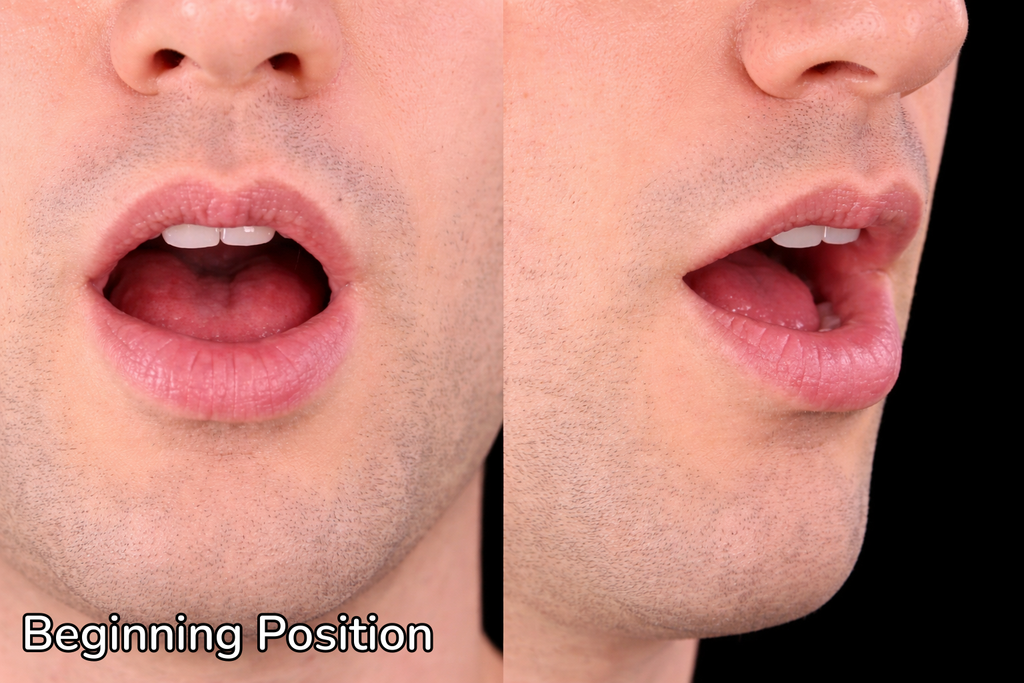
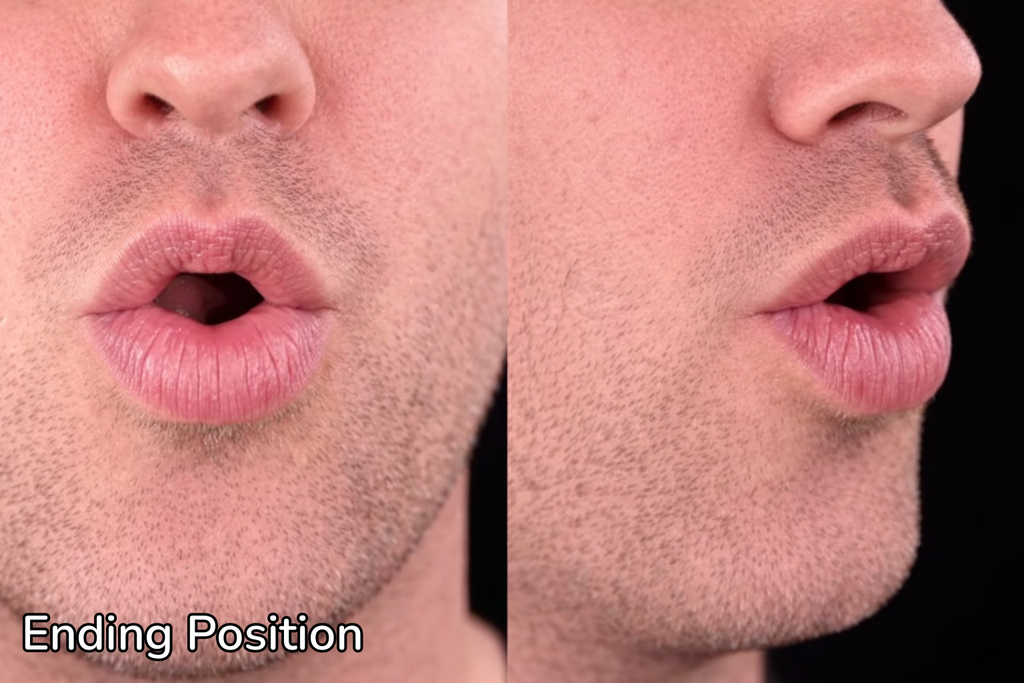
Mouth shape
/oʊ/ as in go
Jaw
Mid-open for the beginning, lifting slightly for the ending.
Tongue
Shifts back slightly for the beginning. The back part stretches up for the ending position.
Lips
May start relaxed or begin rounding immediately. End in a rounded position.
16 everyday words.
Tap any word for its full breakdown — every reduction, every flap-T.
In real conversation.
5 short sentences where this sound shows up. Tap to play; click the title for the full breakdown.
Common questions about /oʊ/.
What's the easiest way to make the /oʊ/ vowel in American English?
Why does my /oʊ/ sound foreign even when I say the right letter?
Why does /oʊ/ sound different before an L in "cold" and "old"?

Practice /oʊ/ with an AI coach.
SayWaader is the AI pronunciation coach for American English. Practice 5 minutes a day. Get a 5-axes accent assessment. Sound like you live here.