How to pronounce The /w/ as in WET /w/ in American English
One of the most common consonants in American English. Hear it in wet, will, way, win.
The /w/ consonant, the sound at the start of wet, will, and wait, is all about tight, rounded lips and a quick release. Form a small circle with your lips while the back of your tongue lifts, then immediately let the shape spring open into the next vowel. It's an active, moving sound. A common trap for speakers of German or Hindi is letting the top teeth touch the bottom lip. To an American ear, this makes wet sound like vet. For a clean American /w/, keep your teeth completely out of the way.
Three small adjustments.
Get them right and the sound takes care of itself.
Round your lips into a tight circle. Lift the back of your tongue toward the soft palate and add voice.
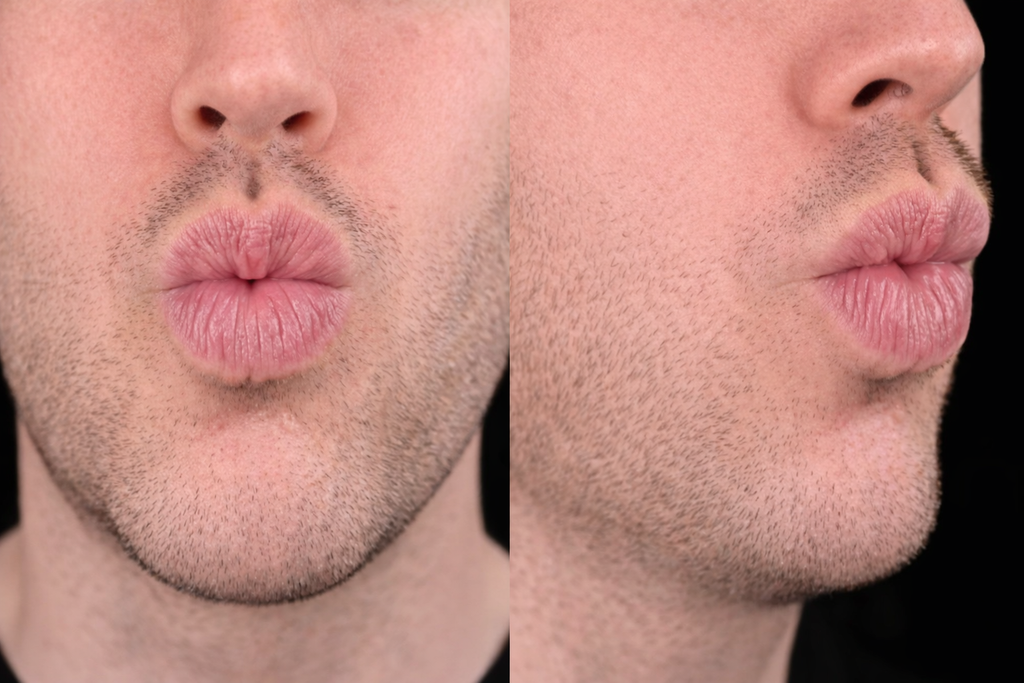
Mouth shape
/w/ as in wet
Tongue
The back part stretches up towards the soft palate. The front part lightly touches the back of the bottom front teeth.
Lips
Form a tight circle.
A few things to remember.
Vibrate your vocal cords continuously as you shape the sound, then release the lip rounding.
This sound is most common at the beginning of words. It doesn't occur at the end of any words. When the letter W appears at the end (e.g., 'saw', 'new'), it is part of a vowel sound and does not produce the W consonant sound.
Even in the middle of a word (e.g., 'unwind'), take the time to bring the lips into the full tight circle.
Connect words with a hidden /w/. When a word ends in a rounded vowel (like /oʊ/ or /u/) and the next word starts with a vowel, Americans naturally slip a tiny /w/ in between to link them. For example, 'go away' sounds like 'go(w)away' and 'do it' sounds like 'do(w)it'.
The /w/ sound frequently hides behind the letters O and U. You'll hear a clear /w/ in words like 'one', 'once', 'choir', 'quiet', and 'language', even though there is no letter W.
Watch out for words like 'wood', 'wolf', and 'woman'. Because the vowel that follows the /w/ is also rounded, it's easy to accidentally drop the /w/ entirely. Start with a very tight circle for the /w/, then slightly relax it for the vowel.
You might have been taught to blow a puff of air for words starting with WH (like 'when' or 'where'). In modern American English, this is unnecessary. 'Wine' and 'whine' are pronounced exactly the same.
16 everyday words.
Tap any word for its full breakdown — every reduction, every flap-T.
In real conversation.
5 short sentences where this sound shows up. Tap to play; click the title for the full breakdown.
Common questions about /w/.
Why do I keep mixing up the W and V sounds?
Do you pronounce the W at the end of words like "saw" or "new"?
What's the best way to practice a clear American W?

Practice /w/ with an AI coach.
SayWaader is the AI pronunciation coach for American English. Practice 5 minutes a day. Get a 5-axes accent assessment. Sound like you live here.