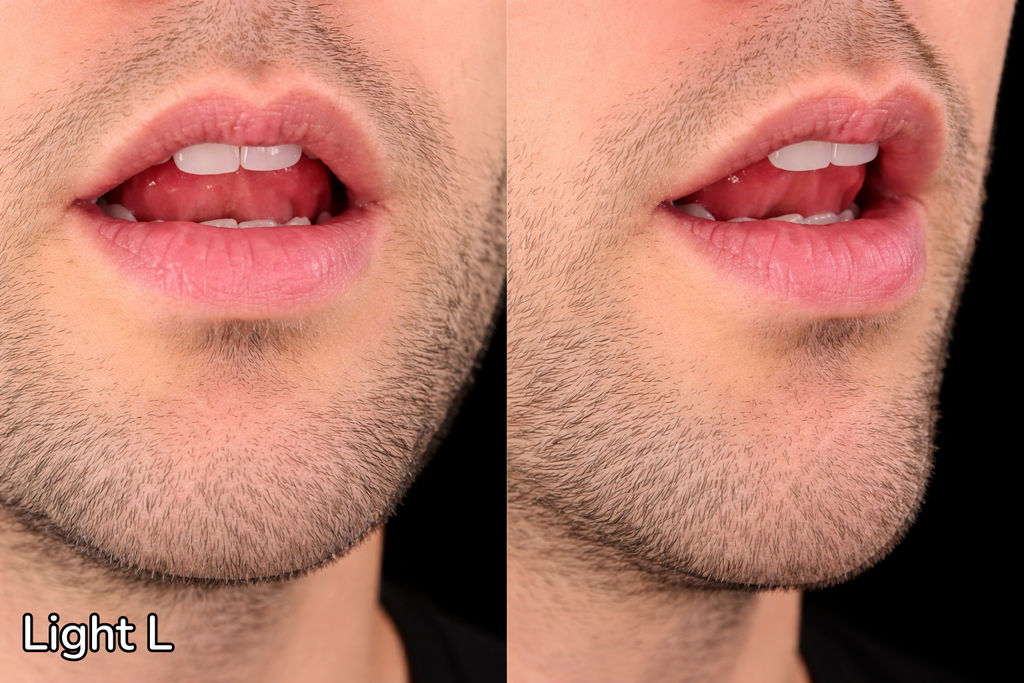
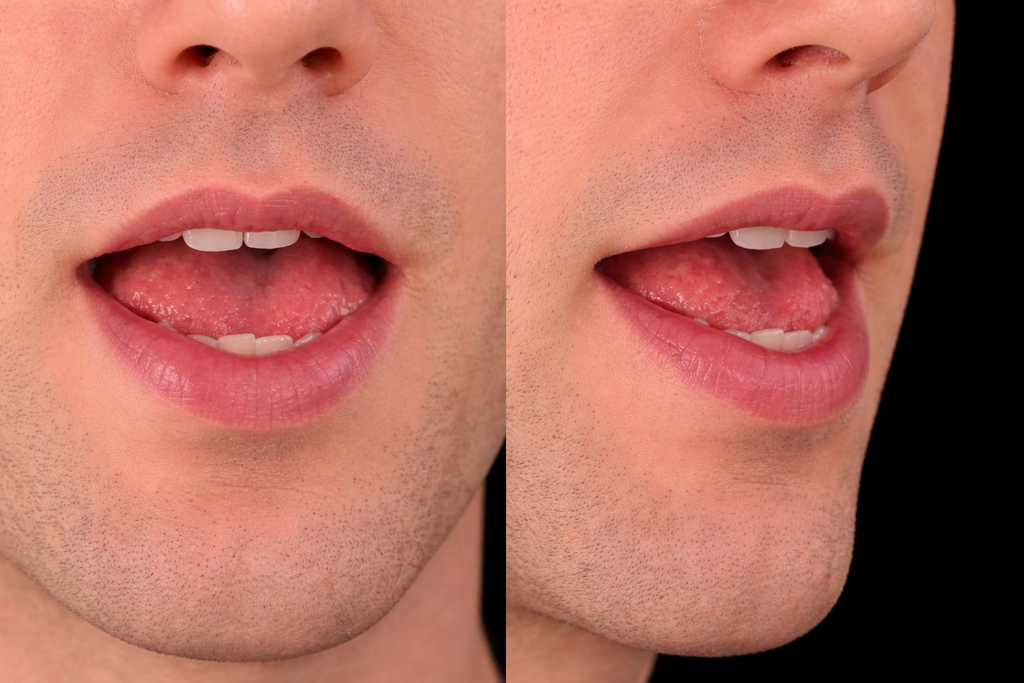
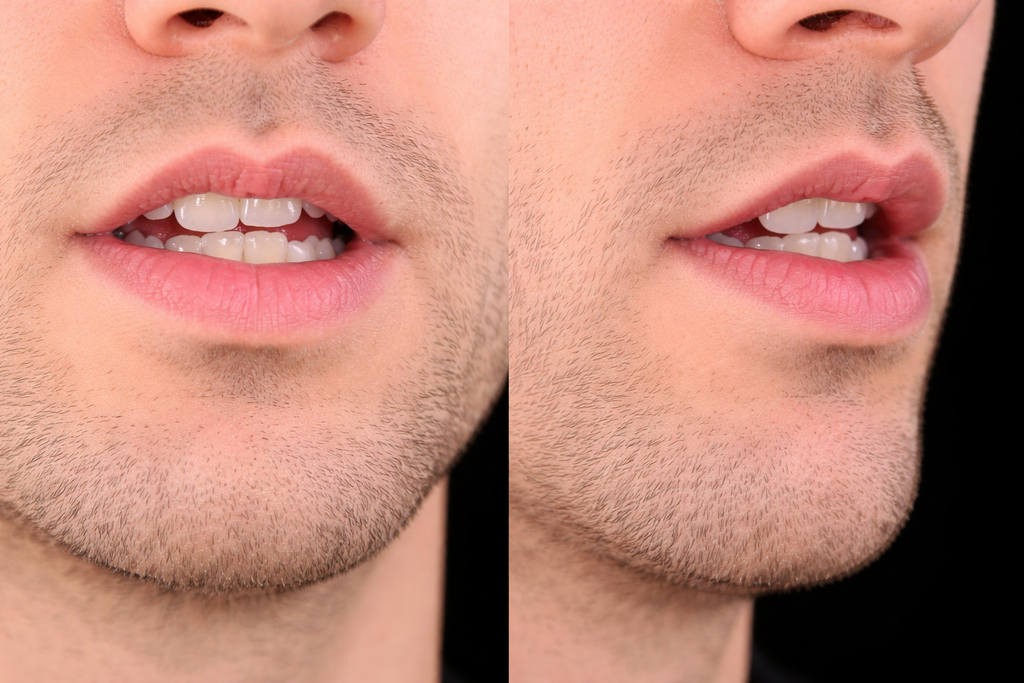
How to pronounce let's in American English
LEHTS
Start here
Americans pronounce let's as LEHTS (/lɛts/).
Now you try.
Record yourself saying "let's" and play it back. The mic stays on your device — nothing's uploaded.
Why it sounds different
Why "let's" sounds like LEHTS.
The "" at the end of "" flows directly into the vowel starting "" — the consonant migrates to the next word with no pause between. This is called the Consonant-to-Vowel Linking, a tiny act of laziness that makes the rhythm feel right. It comes out as LEHTS.
In real conversation
Hear "let's" in the wild.
Click any sentence to see the full breakdown — every link, every reduction, every flap-T.
"After we finish dinner, let's go for a walk."
AF·ter wee FIH·nuhsh DIH·ner LEHTS GOH fer uh WAHK
"Let's arrange a meeting to finalize the details of our partnership."
LEHTS uh·RAYNJ uh MEE·duhng tuh FAHY·nuh·lahyz dhuh DEE·taylz uhv owr PART·ner·shihp
"Let's check the schedule together."
LEHTS CHEHK dhuh SKEH·jool tuh·GEH·dher
"Let's connect again sometime next week."
LEHTS kuh·NEHKT uh·GEHN SUHM·tahym NEHKST WEEK
"Let's consolidate our findings and present a unified recommendation."
LEHTS kuhn·SAH·luh·dayt ar FAHYN·duhngz and pruh·ZEHNT uh YOO·nuh·fahyd reh·kuh·muhn·DAY·shuhn
"Let's delegate these action items before the deadline approaches."
LEHTS DEH·luh·gayt DHEEZ A·shuhn AHY·duhmz buh·FOR dhuh DEHD·lahyn uh·PROH·chuhz
Questions
Questions people ask about this.
Is the American pronunciation of "let's" different from British English?
American English uses different vowel shapes, a relaxed retroflex R, and connected-speech tricks like flap-T and glottal-stop T that British Received Pronunciation generally avoids. The respell "LEHTS" reflects the casual American form; British dictionaries typically print a citation form with crisper consonants and different vowel choices.