How to pronounce space in American English

IPA /speɪs/ Syllables 1 · spays Stress 1st syllable
SPAYS
Start here

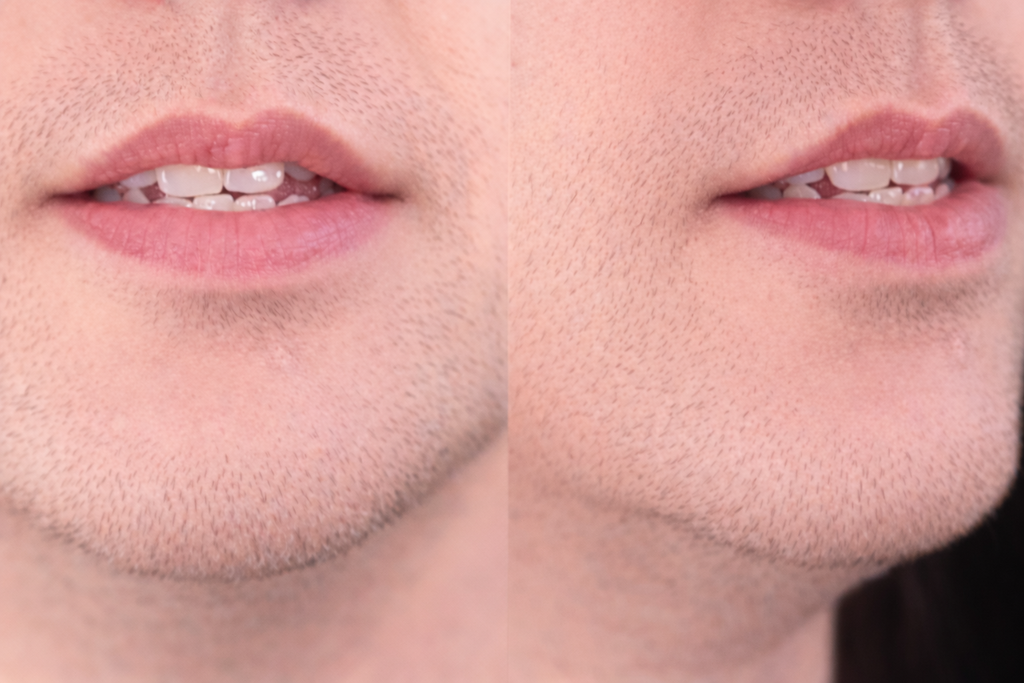
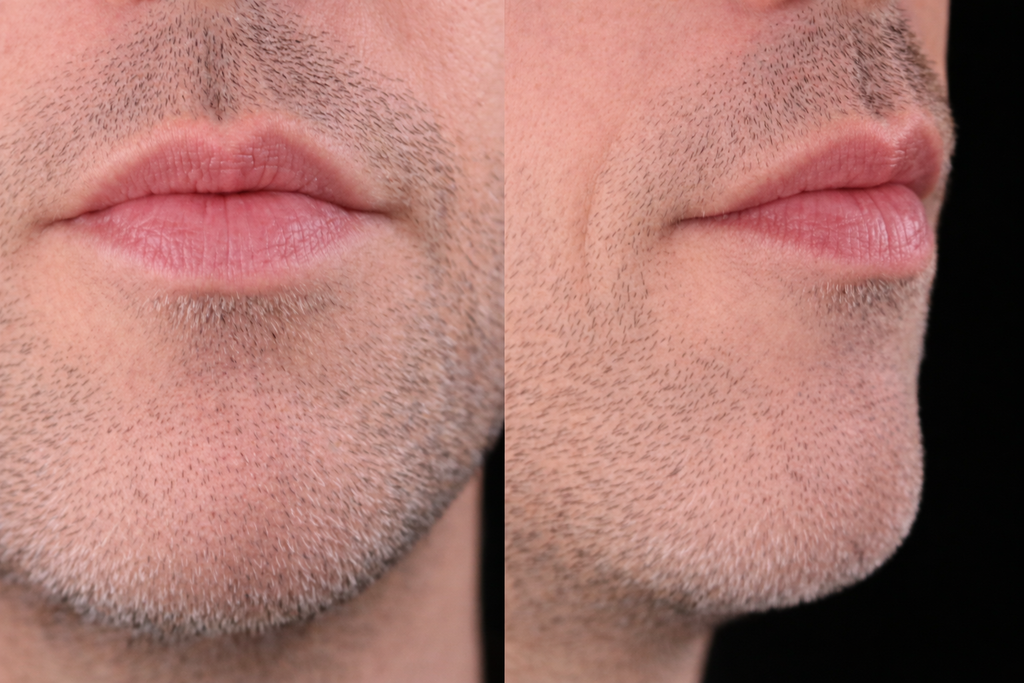
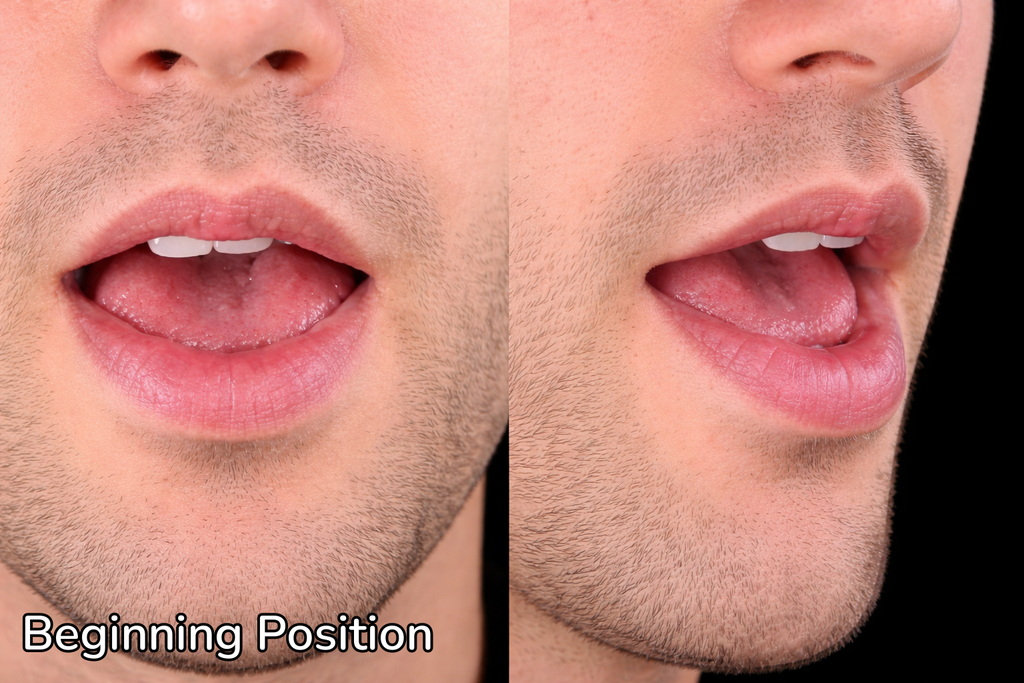
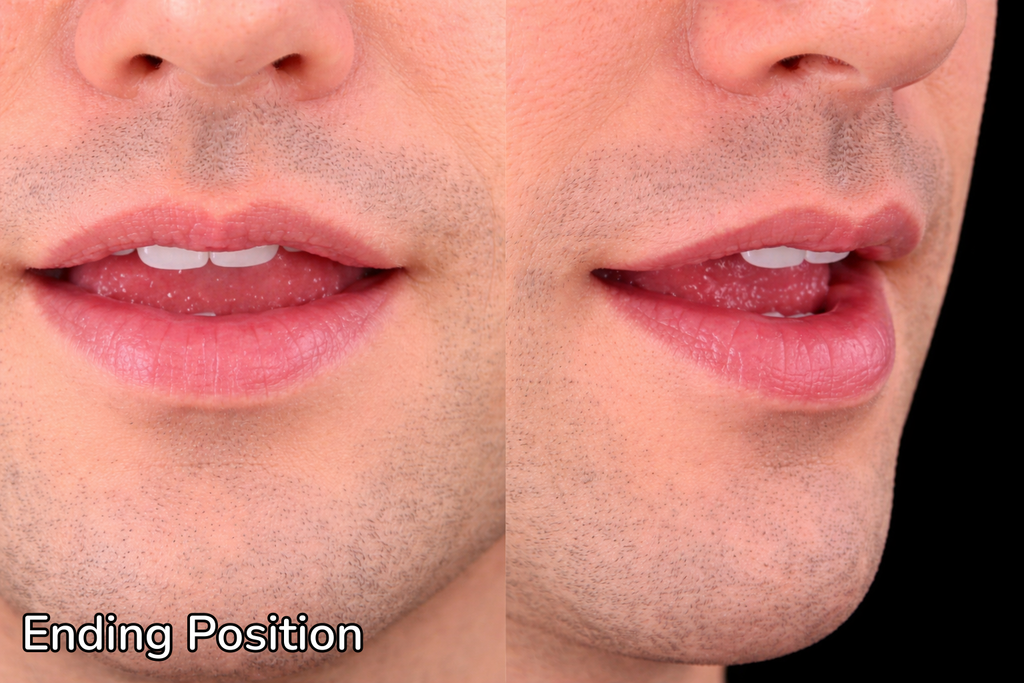
Americans pronounce space as SPAYS (/speɪs/).

Now you try.

Record yourself saying "space" and play it back. The mic stays on your device — nothing's uploaded.

Ready when you are
Tap the mic to start
Preview your accent profile

Get your accent profile and 5-axes assessment.

Sounds
75%
Clarity
68%
Stress
78%
Intonation
65%
Fluency
62%

Overall assessment

Our AI coach listens to your recording and grades 5 dimensions of pronunciation — then tells you exactly what to fix next.

72% Noticeable accent
Unlock the full report in the app
Why it sounds different

Why "space" sounds like SPAYS.

The "" at the end of "" flows directly into the vowel starting "" — the consonant migrates to the next word with no pause between. This is called the Consonant-to-Vowel Linking, what turns word-by-word reading into actual conversation. It comes out as SPAYS.

In real conversation

Hear "space" in the wild.

Click any sentence to see the full breakdown — every link, every reduction, every flap-T.

"Astronauts float in zero gravity aboard the space station."
A·struh·nahts FLOHT ihn ZEE·roh GRA·vuh·dee uh·BORD dhuh SPAYS STAY·shuhn
"He built custom cabinets for the kitchen to maximize storage space."
hee BIHLT KUH·stuhm KA·buh·nuhts fer dhuh KIH·chuhn tuh MAK·suh·mahyz STOR·uhj SPAYS
"I donated my old books to a charity shop to make space."
ahy DOH·nay·tuhd mahy OHLD BUUKS tuh uh CHEH·ruh·tee SHAHP tuh MAYK SPAYS
"I need to find a parking space near here."
ahy NEED tuh FAHYND uh PAR·kuhng SPAYS NEER HEER
"The theory of relativity changed our understanding of time and space."
dhuh THEE·uh·ree uhv reh·luh·TIH·vuh·tee CHAYNJD owr uhn·der·STAN·duhng uhv TAHYM and SPAYS
"He read a book about the history of space travel."
hee REHD uh BUUK uh·BOWT dhuh HIH·stuh·ree uhv SPAYS TRA·vuhl
Questions

Questions people ask about this.

Is the American pronunciation of "space" different from British English?
American English uses different vowel shapes, a relaxed retroflex R, and connected-speech tricks like flap-T and glottal-stop T that British Received Pronunciation generally avoids. The respell "SPAYS" reflects the casual American form; British dictionaries typically print a citation form with crisper consonants and different vowel choices.

Stop reading about "space". Start saying it.

SayWaader is the AI pronunciation coach for American English. Practice 5 minutes a day. Get a 5-axes accent assessment. Sound like you live here.