How to pronounce The /m/ as in MAN /m/ in American English
One of the most common consonants in American English. Hear it in me, my, man, make.
The /m/ consonant, the man sound, is a voiced nasal made by pressing your lips together and letting the air flow out through your nose. It stays the same buzzing /m/ at the start of make and at the end of time. The basic shape is easy. What makes it sound American is letting that nasal hum ring a beat longer at the ends of words, and letting the vowel right before it pick up a touch of nasal color.
Three small adjustments.
Get them right and the sound takes care of itself.
Press your lips together. Air flows through your nose. Vocal cords vibrate.
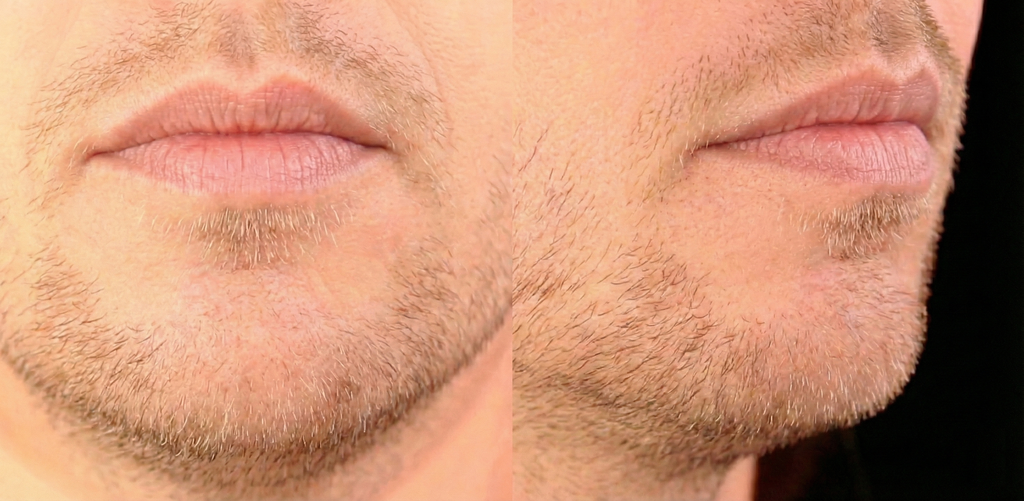
Mouth shape
/m/ as in me
Lips
Press together gently.
Two things to remember.
The only nasal sound made at the lips. Feel the vibration in your nose.
Make sure your lips fully close at the ends of words like time and room. If they stay even slightly open, you'll accidentally say an /n/ (turning time into tine, or some into sun).
16 everyday words.
Tap any word for its full breakdown — every reduction, every flap-T.
In real conversation.
5 short sentences where this sound shows up. Tap to play; click the title for the full breakdown.
Connected-speech rules involving /m/.
Each rule has its own page with examples and practice tips.
Common questions about /m/.
What is the exact mouth position for the /m/ sound?
Why does my /m/ sound choppy at the ends of words?
Does the /m/ sound change the vowels next to it?

Practice /m/ with an AI coach.
SayWaader is the AI pronunciation coach for American English. Practice 5 minutes a day. Get a 5-axes accent assessment. Sound like you live here.