How to pronounce The MOTHER R-Vowel /ər/ in American English
One of the most common r-vowels in American English. Hear it in letter, water, other, mother.
The /ər/ R-vowel, the sound at the end of mother, butter, never, water, is one of the most distinctively American shapes in the language. It isn't really two sounds (a vowel followed by an R). It's one continuous shape where the tongue pulls back and the vowel and the R blur into each other. British Received Pronunciation drops the R after the vowel entirely; American English does the opposite, letting the R take over. Get this single move right and a lot of your accent suddenly sounds American.
Three small adjustments.
Get them right and the sound takes care of itself.
Relax your mouth and lift the tongue back and up. Keep the lips neutral.
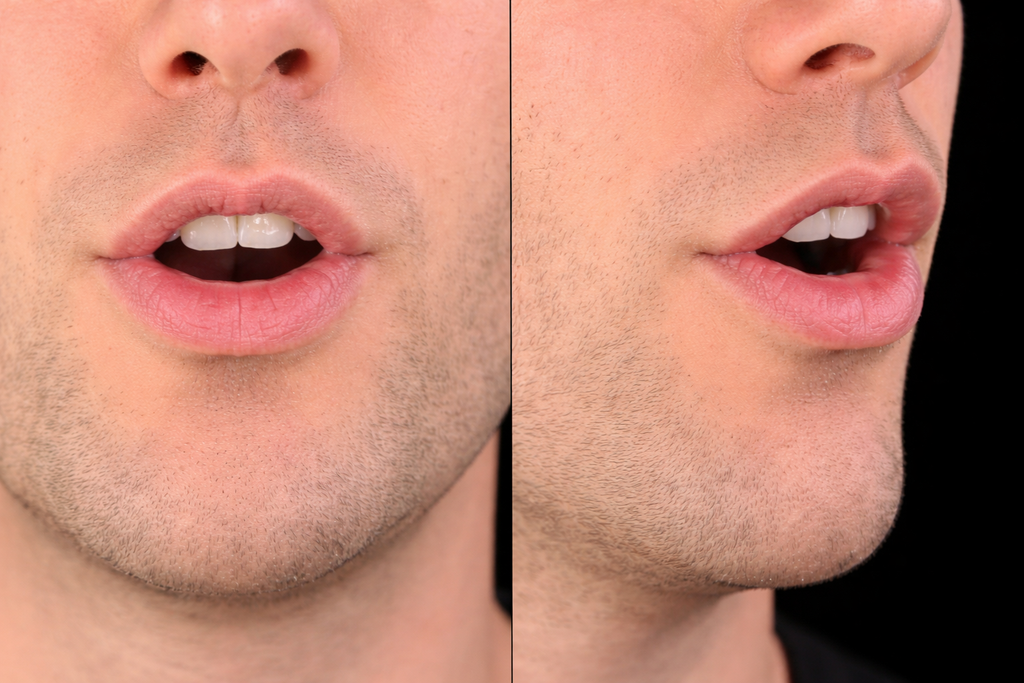
Mouth shape
/ər/ as in letter
Jaw
Minimal drop, very relaxed.
Tongue
Two valid shapes: either the middle of the tongue lifts toward the roof of the mouth with the front held down (bunched R), or the tip curls back and up (retroflex R). In both shapes, the tongue should not touch the roof of the mouth.
Lips
Completely relaxed. Don't round or flare them; that lip flare belongs to the stressed R.
One thing to remember.
The schwa before R gets absorbed, go directly from the preceding sound into the R without trying to make a separate vowel.
Compare with similar sounds.
If your sound is sliding into a neighbor, here's how to tell them apart.
16 everyday words.
Tap any word for its full breakdown — every reduction, every flap-T.
In real conversation.
5 short sentences where this sound shows up. Tap to play; click the title for the full breakdown.
Common questions about /ər/.
How is the unstressed American ER-vowel different from a British one?
Where does the R sound 'come from' in the American /ər/ vowel?
Why do my American English words still sound foreign even when I pronounce a clear R?

Practice /ər/ with an AI coach.
SayWaader is the AI pronunciation coach for American English. Practice 5 minutes a day. Get a 5-axes accent assessment. Sound like you live here.