How to pronounce The MY Diphthong /aɪ/ in American English
One of the most common diphthongs in American English. Hear it in my, high, buy, sky.
The /aɪ/ diphthong, the my sound, is a gliding two-part vowel Americans use in words like high, buy, sky, and time. Start with your jaw dropped wide open and your tongue resting low and flat, then glide the front of your tongue up toward the roof of your mouth as your jaw closes halfway. The whole thing has to be one continuous motion. If you stop in the middle or cut it short, the word sounds chopped, which is the giveaway most non-native speakers don't know they're making.
Three small adjustments.
Get them right and the sound takes care of itself.
Start with your jaw open wide and your tongue resting low and flat. Glide the front of your tongue up toward the roof of your mouth as your jaw closes halfway.
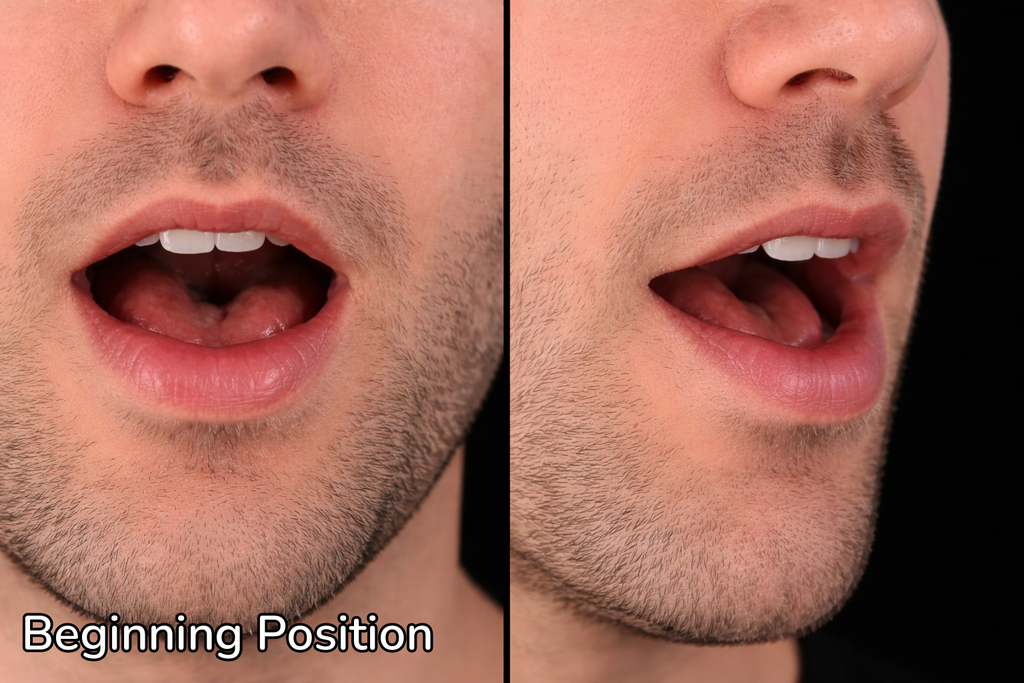
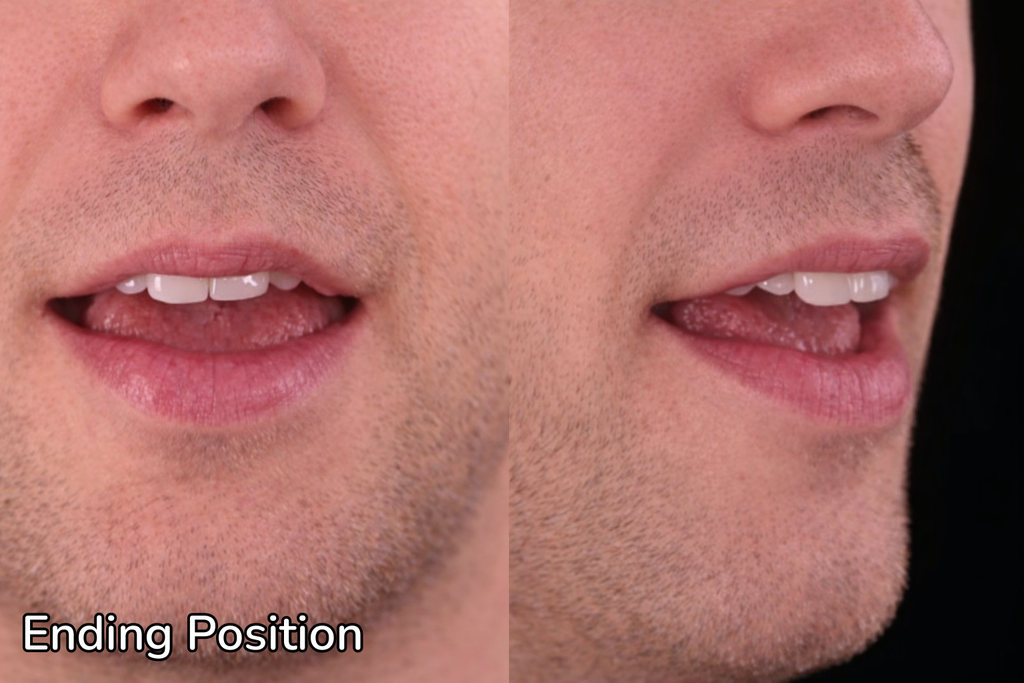
Mouth shape
/aɪ/ as in my
Jaw
Drops more in the first position, less in the second.
Tongue
Tip touches the back of the bottom front teeth for both positions. The tongue rests flat in the first position; the front arches up in the second position.
16 everyday words.
Tap any word for its full breakdown — every reduction, every flap-T.
In real conversation.
5 short sentences where this sound shows up. Tap to play; click the title for the full breakdown.
Common questions about /aɪ/.
What is the easiest way to pronounce the /aɪ/ diphthong?
Why does my pronunciation of the /aɪ/ diphthong sound choppy or unnatural?
Does the /aɪ/ vowel change depending on the consonant after it?

Practice /aɪ/ with an AI coach.
SayWaader is the AI pronunciation coach for American English. Practice 5 minutes a day. Get a 5-axes accent assessment. Sound like you live here.