How to pronounce line in American English
LAHYN
Start here
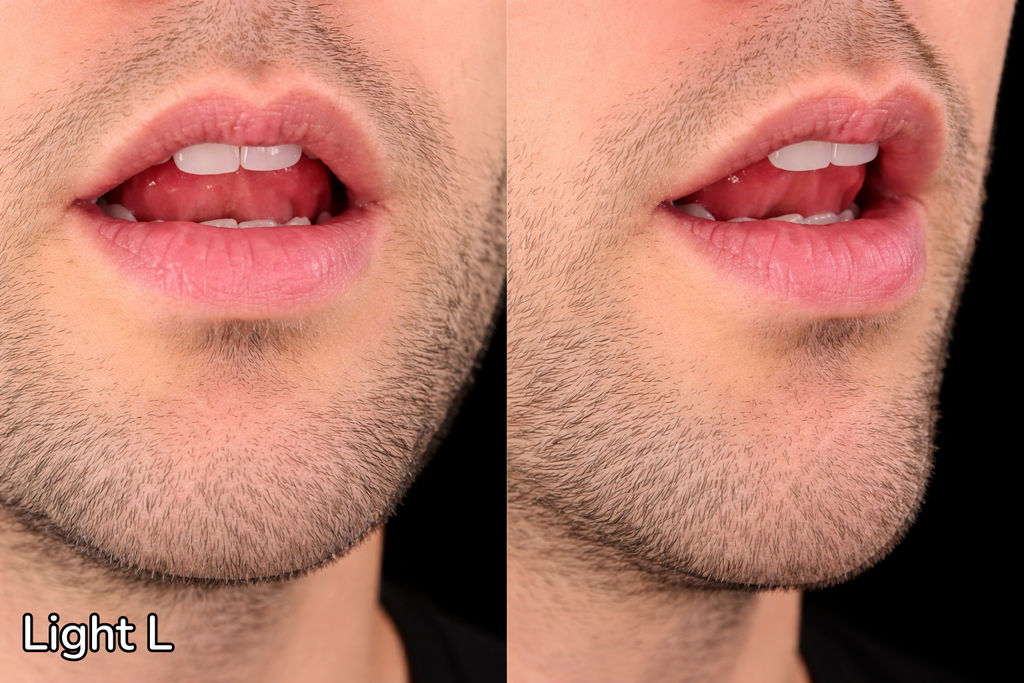
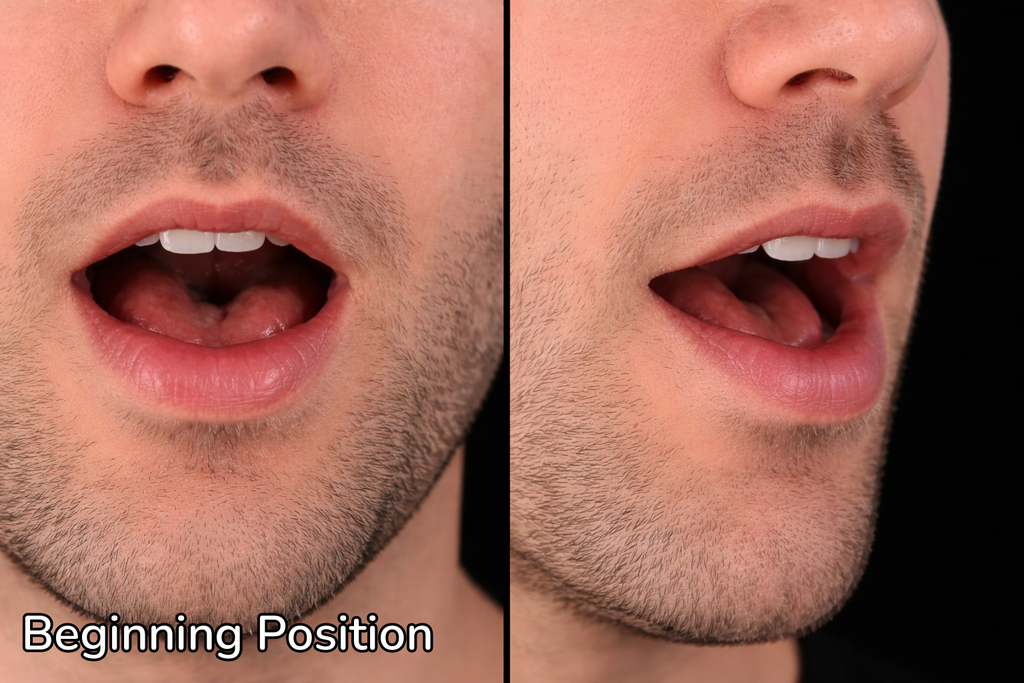
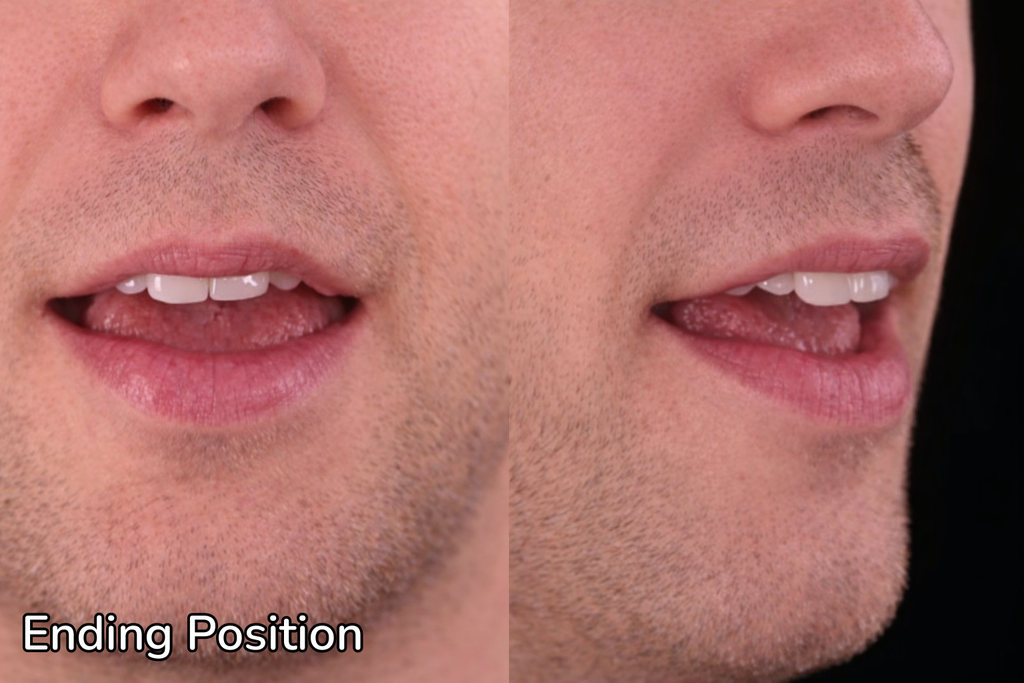
Americans pronounce line as LAHYN (/laɪn/).
Now you try.
Record yourself saying "line" and play it back. The mic stays on your device — nothing's uploaded.
Why it sounds different
Why "line" sounds like LAHYN.
The "" at the end of "" flows directly into the vowel starting "" — the consonant migrates to the next word with no pause between. This is called the Consonant-to-Vowel Linking, the way sentences stop sounding like a list and start sounding like speech. It comes out as LAHYN.
In real conversation
Hear "line" in the wild.
Click any sentence to see the full breakdown — every link, every reduction, every flap-T.
"I tried to find the right time to sign the line."
ahy TRAHYD tuh FAHYND dhuh RAHYT TAHYM tuh SAHYN dhuh LAHYN
"I was out of line and I accept responsibility for that."
ahy wuhz OWT uhv LAHYN and ahy uhk·SEHPT ruh·spahn·suh·BIH·luh·tee fer DHAT
"Ten men ran in the thin green line."
TEHN MEHN RAN ihn dhuh THIHN GREEN LAHYN
"The checkout line is really long, so we might have to wait."
dhuh CHEHK·owt LAHYN ihz REE·lee lahng SOH wee mahyt hav tuh WAYT
"The defense attorney objected to the line of questioning."
dhuh duh·FEHNS uh·TUR·nee uhb·JEHK·tuhd tuh dhuh LAHYN uhv KWEHS·chuh·nuhng
"The dispute over the property line was settled out of court."
dhuh dih·SPYOOT OH·ver dhuh PRAH·per·tee LAHYN wuhz SEH·duhld OWT uhv KORT
Questions
Questions people ask about this.
Is the American pronunciation of "line" different from British English?
American English uses different vowel shapes, a relaxed retroflex R, and connected-speech tricks like flap-T and glottal-stop T that British Received Pronunciation generally avoids. The respell "LAHYN" reflects the casual American form; British dictionaries typically print a citation form with crisper consonants and different vowel choices.