N /n/ and NG /ŋ/ split on where your tongue blocks the air. For /n/, the front of your tongue touches the bumpy ridge just behind your upper teeth. For /ŋ/, the back of your tongue lifts up and blocks the air at the soft palate. Both are nasal, so the air comes out your nose either way. The catch: Russian, Italian, and French speakers often substitute /n/ for /ŋ/ at the ends of words, which makes sin and sing land on the same sound.
How the two sounds differ.
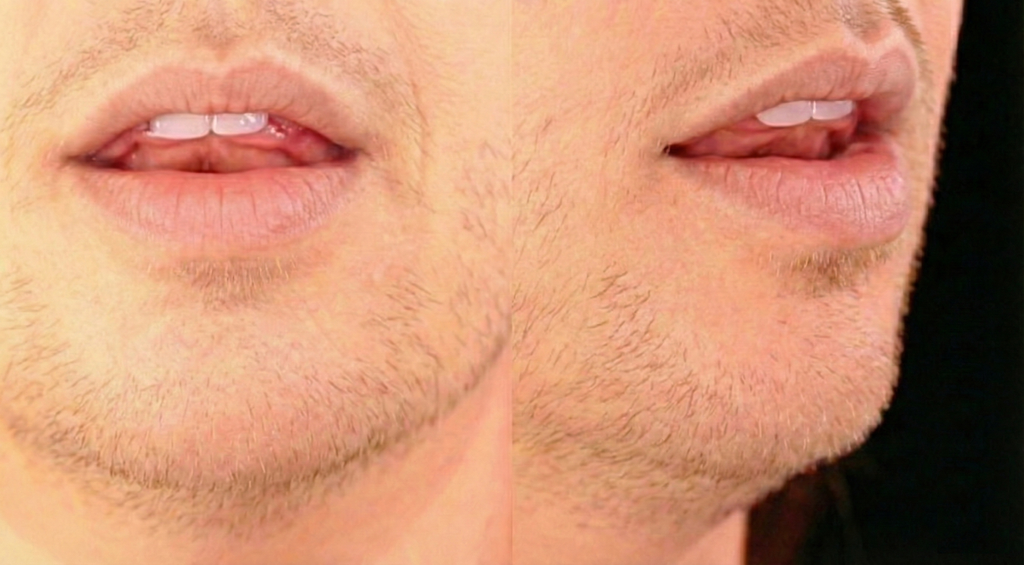
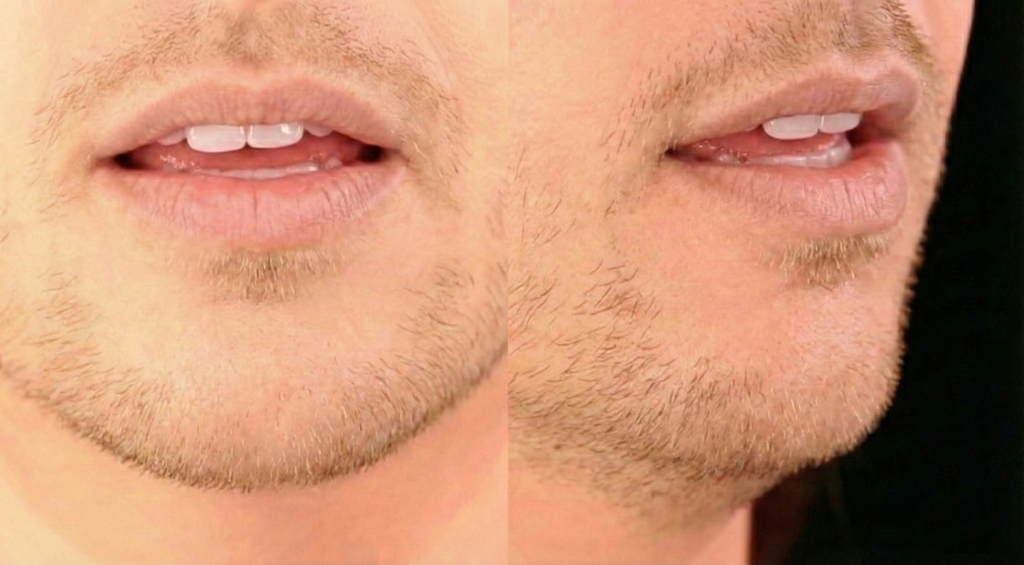
3 small mouth adjustments. Get any one of them wrong and the sound slides into its neighbor.
Now you try.
Record yourself saying "Sin" and "Sing" a few times. Listen back — your own ear is the best feedback for nailing the contrast.
Words that change with one sound.
Every pair below differs by exactly one sound: flip /n/ to /ŋ/ and the meaning flips with it. Tap any word for its full breakdown.
If your ear blurs them, here's why.
Languages like Russian, Italian, and French don't use /ŋ/ as a standalone consonant at the end of a word. In those languages, /ŋ/ might only happen accidentally when an /n/ comes right before a /g/ or /k/ (like in banco). So when faced with an English word ending in "ng" like sing or wrong, these speakers naturally default to the familiar front-of-mouth /n/. Sing turns into sin, thing turns into thin. Some learners try to compensate by adding a hard G at the end, saying "sing-guh." But in American English, the "ng" spelling almost always represents just one nasal sound, /ŋ/, with no G click hiding at the end.
Train the muscle, then the ear.
4 short drills. Do them out loud: feel the change inside your mouth before you try to hear it.
Mirror check: Say sin and freeze. You should see your tongue tip up behind your front teeth. Now say sing and freeze. Your tongue tip should be resting down behind your bottom teeth, with your mouth open wider.
The hold test: Since both are nasal sounds, you can hold them endlessly. Hold nnnnnn and feel the buzz at the front of your face. Then switch to ngggggg and feel the buzz shift to the back of your throat and nose.
Try the finger anchor trick: gently press your index finger on your tongue tip to keep it down against your bottom teeth. Now try to say sing. Because your tongue tip can't rise, your brain is forced to use the back of the tongue.
Pair-record true minimal pairs: sun/sung, win/wing, thin/thing, wins/wings. If you hear a hard G clicking at the end of your sing, soften it. The sound should just fade out through your nose.
Common questions about Sin vs Sing.
Should I pronounce a hard G at the end of words like "sing" or "running"?
Why do my "ing" endings sound like "in"?
How do I know when to use /n/ vs /ŋ/ in the middle of a word?

Master Sin vs Sing with an AI coach.
SayWaader is the AI pronunciation coach for American English. Practice 5 minutes a day. Get a 5-axes accent assessment. Sound like you live here.