How to pronounce The /ŋ/ as in SING /ŋ/ in American English
One of the most common consonants in American English. Hear it in ring, song, long, sing.
The /ŋ/ sound, the sing consonant, is a nasal made entirely in the back of the mouth, used in words like ring, song, and young. Stretch the back of your tongue all the way up to touch the soft roof of your mouth and let the air flow out through your nose. Unlike a regular /n/ where the tip touches behind your front teeth, the /ŋ/ keeps the tongue tip down and relaxed. And it's one continuous sound, not two: in casual American speech there's no hard /g/ click at the end.
Three small adjustments.
Get them right and the sound takes care of itself.
Lift the back of your tongue to the soft palate. Lower your soft palate to let air flow through your nose.
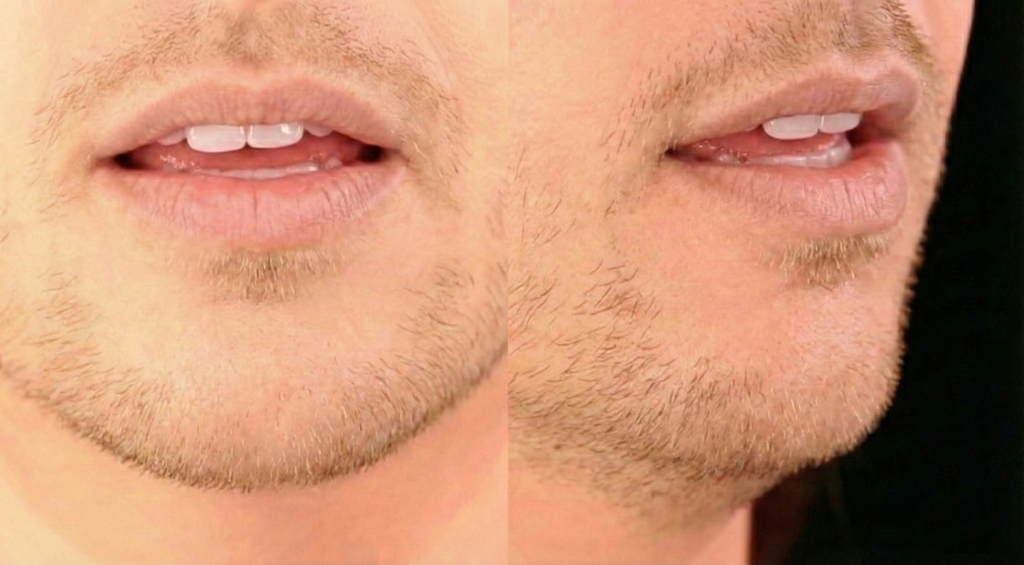
Mouth shape
/ŋ/ as in ring
Tongue
The back part stretches all the way up to the soft palate. The tongue tip stays down and forward.
Lips
Relaxed, parted.
Jaw
Drops a little bit.
A few things to remember.
One of only three nasal sounds in American English (M, N, NG).
Can occur in the middle or at the end of a word in American English, but never at the beginning.
Inside a word, it gets tricky: 'singer' has no G sound, but 'finger' has a hard G (/ŋg/). A useful rule: if the word comes from a verb (sing -> singer), drop the G. If it doesn't (finger, hunger), pronounce the G.
16 everyday words.
Tap any word for its full breakdown — every reduction, every flap-T.
In real conversation.
5 short sentences where this sound shows up. Tap to play; click the title for the full breakdown.
Connected-speech rules involving /ŋ/.
Each rule has its own page with examples and practice tips.
Common questions about /ŋ/.
What is the difference between the N and NG sounds?
Should I pronounce a hard G at the end of words like "sing"?
Why do Americans drop the G in words ending with "-ing"?

Practice /ŋ/ with an AI coach.
SayWaader is the AI pronunciation coach for American English. Practice 5 minutes a day. Get a 5-axes accent assessment. Sound like you live here.