How to pronounce young in American English
YUHNG
Start here
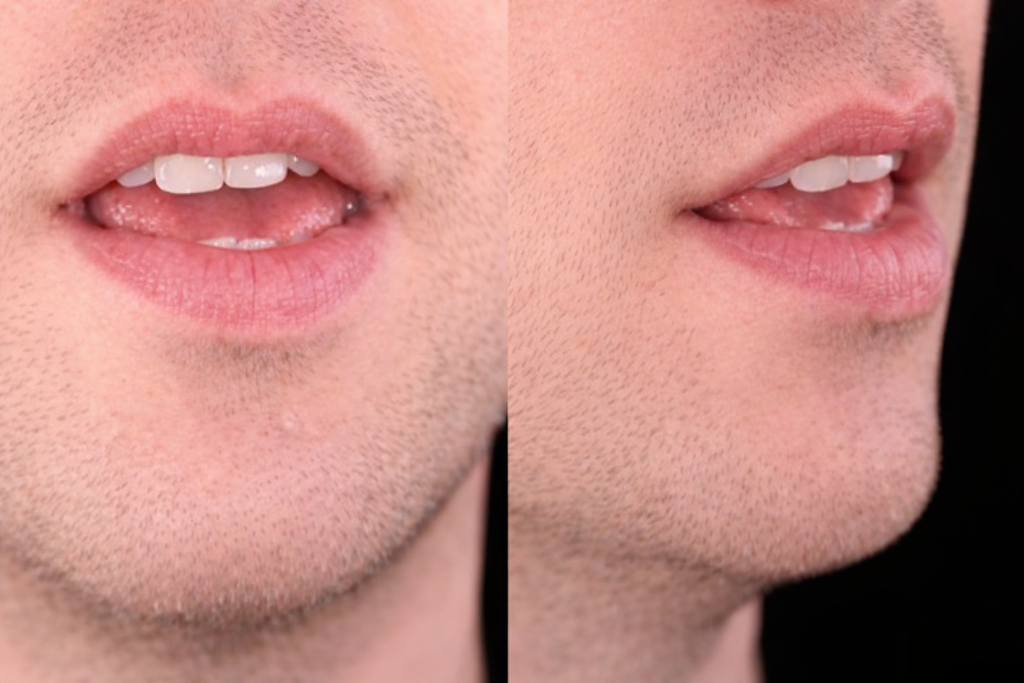
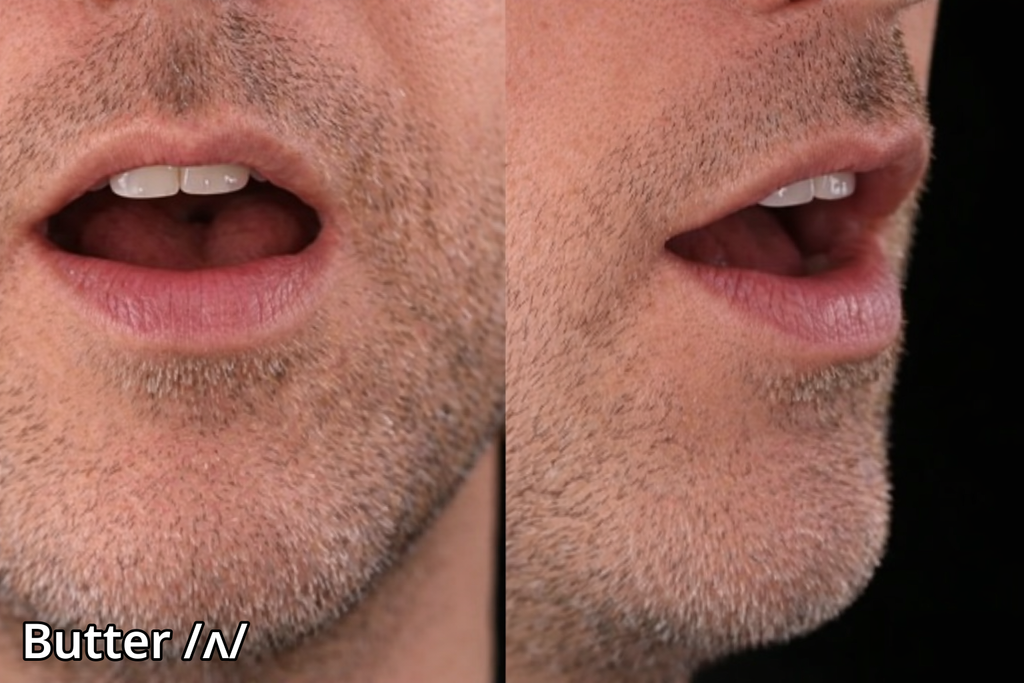
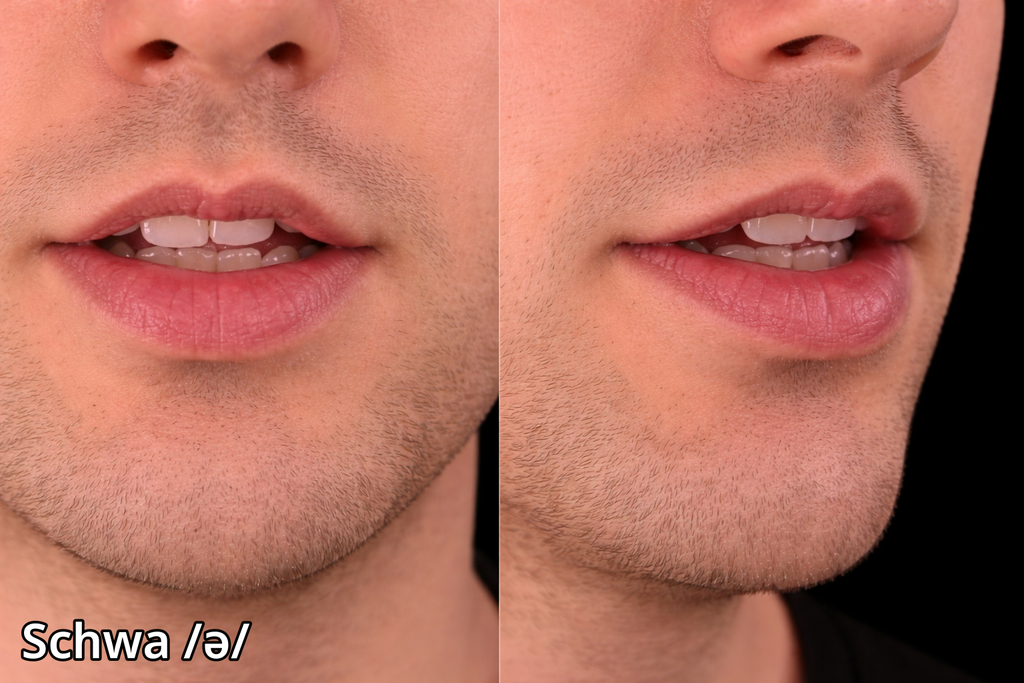
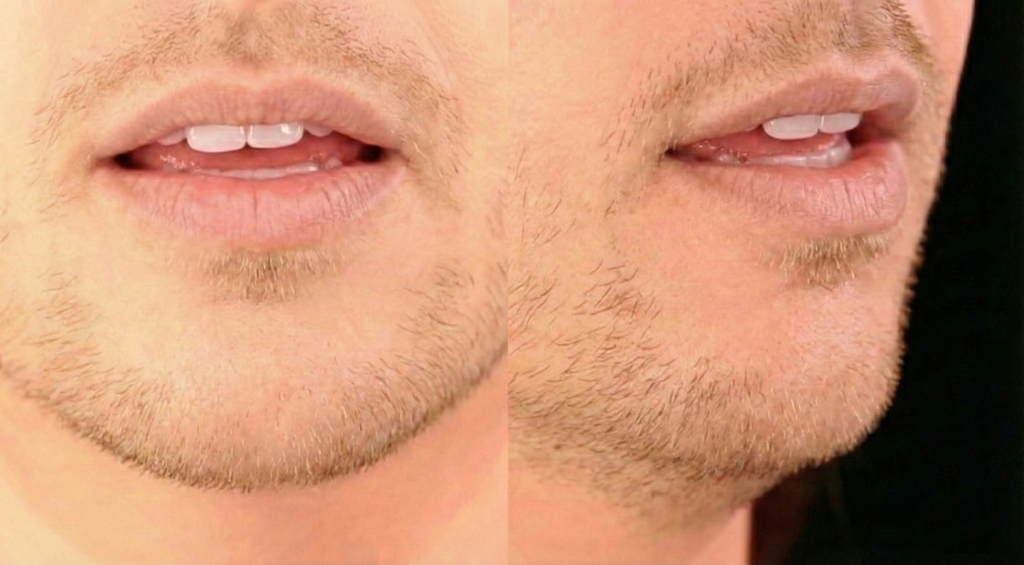
Americans pronounce young as YUHNG (/jʌŋ/).
Now you try.
Record yourself saying "young" and play it back. The mic stays on your device — nothing's uploaded.
Why it sounds different
Why "young" sounds like YUHNG.
The "" at the end of "" flows directly into the vowel starting "" — the consonant migrates to the next word with no pause between. This is called the Consonant-to-Vowel Linking, a tiny act of laziness that makes the rhythm feel right. It comes out as YUHNG.
In real conversation
Hear "young" in the wild.
Click any sentence to see the full breakdown — every link, every reduction, every flap-T.
"Housing affordability remains a pressing issue for young families."
HOW·zuhng uh·for·duh·BIH·luh·tee ruh·MAYNZ uh PREH·suhng IH·shoo fer YUHNG FA·muh·leez
"The plot revolves around a young detective solving a crime."
dhuh PLAHT ruh·VAHLVZ uh·ROWND uh YUHNG duh·TEHK·tuhv SAHL·vuhng uh KRAHYM
"The young gang was banging on the gong."
dhuh YUHNG GANG wuhz BANG·uhng ahn dhuh GAHNG
"The young man was helping his grandmother."
dhuh YUHNG MAN wuhz HEHL·puhng hihz GRAN·muh·dher
"Yes, you used to be young and yellow."
yehs yoo YOOST tuh bee YUHNG and YEH·loh
"Young and yell."
YUHNG and YEHL
Questions
Questions people ask about this.
Is the American pronunciation of "young" different from British English?
American English uses different vowel shapes, a relaxed retroflex R, and connected-speech tricks like flap-T and glottal-stop T that British Received Pronunciation generally avoids. The respell "YUHNG" reflects the casual American form; British dictionaries typically print a citation form with crisper consonants and different vowel choices.