How to pronounce The FUN Vowel /ʌ/ in American English
One of the most common vowels in American English. Hear it in fun, cup, sun, but.
The /ʌ/ and /ə/ vowels, the fun sound, are the most relaxed, neutral sounds in American English, used in words like cup, sun, about, and sofa. To make this "uh" sound, let your lips, jaw, and tongue completely relax, dropping your jaw just a tiny bit while keeping your tongue flat. The /ʌ/ vowel is the stressed version of this relaxed sound; its twin, the schwa /ə/, is the default sound for unstressed syllables across the language. Spoken American English leans hard on stress, so letting unstressed vowels collapse into this lazy shape is most of what makes you sound conversational instead of textbook.
Three small adjustments.
Get them right and the sound takes care of itself.
Relax your lips, jaw, and tongue completely. Drop your jaw slightly and keep the tongue neutral.
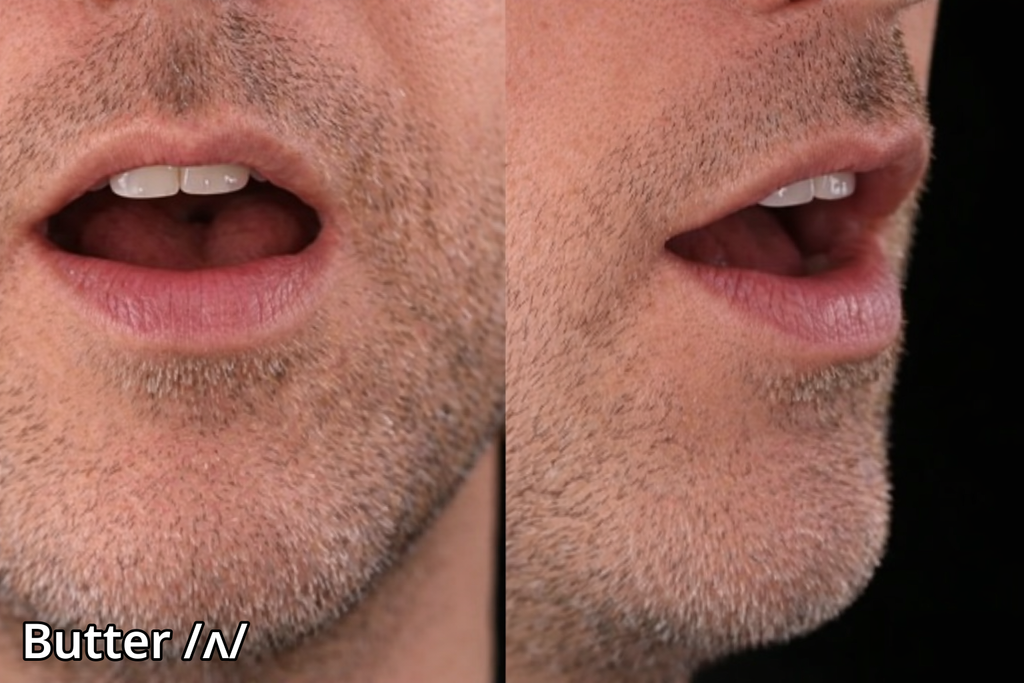
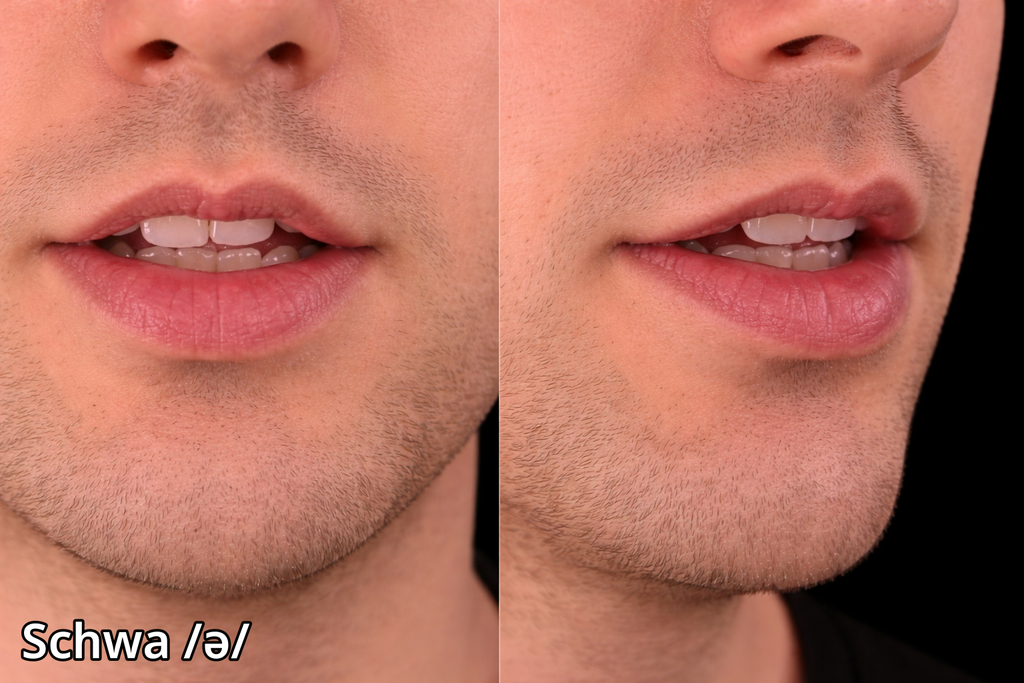
Mouth shape
/ʌ/ as in fun
Jaw
Drops slightly, just a relaxed, easy drop.
Tongue
Completely relaxed. It rests neutrally in the middle of the mouth, with the tip resting gently behind the bottom teeth.
Lips
Relaxed and neutral, everything should feel easy and relaxed.
Two things to remember.
Keep your face really relaxed: your lips, jaw, cheeks, and neck should all feel completely neutral.
The schwa is the most common vowel sound in American English and appears in many unstressed syllables.
16 everyday words.
Tap any word for its full breakdown — every reduction, every flap-T.
In real conversation.
5 short sentences where this sound shows up. Tap to play; click the title for the full breakdown.
Connected-speech rules involving /ʌ/.
Each rule has its own page with examples and practice tips.
Reduced Words (to, for, of)
Full vowel reduces to schwa /ə/ or other weak vowel. Consonants may simplify.
Rule 21Short Contractions (it's, that's)
In single-syllable -ts contractions (it's = it + is, that's = that + is, what's = what + is, let's = let + us), the unstressed vowel of the enclitic ("is" /ɪ/ or "us" /ə/) is completely elided in fast speech, leaving only the final /ts/ cluster.
Common questions about /ʌ/.
What is the difference between the /ʌ/ vowel and the schwa /ə/?
Why is the schwa /ə/ so important in American English?
How do I stop making the /ʌ/ sound like the /ɑ/ in "father"?

Practice /ʌ/ with an AI coach.
SayWaader is the AI pronunciation coach for American English. Practice 5 minutes a day. Get a 5-axes accent assessment. Sound like you live here.