How to pronounce love in American English
LUHV
Start here
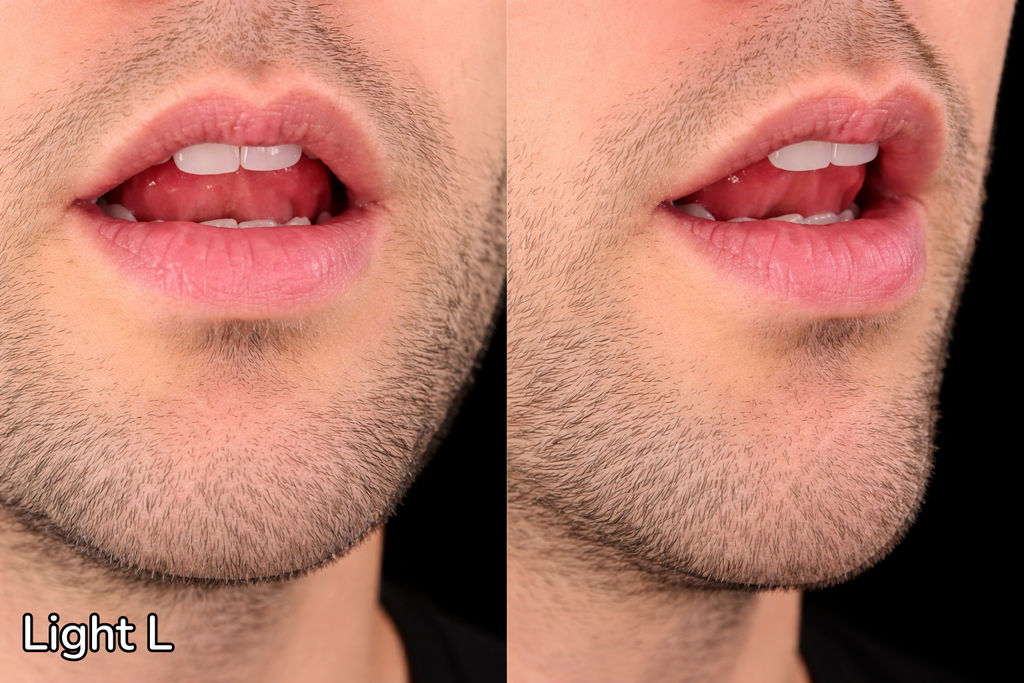
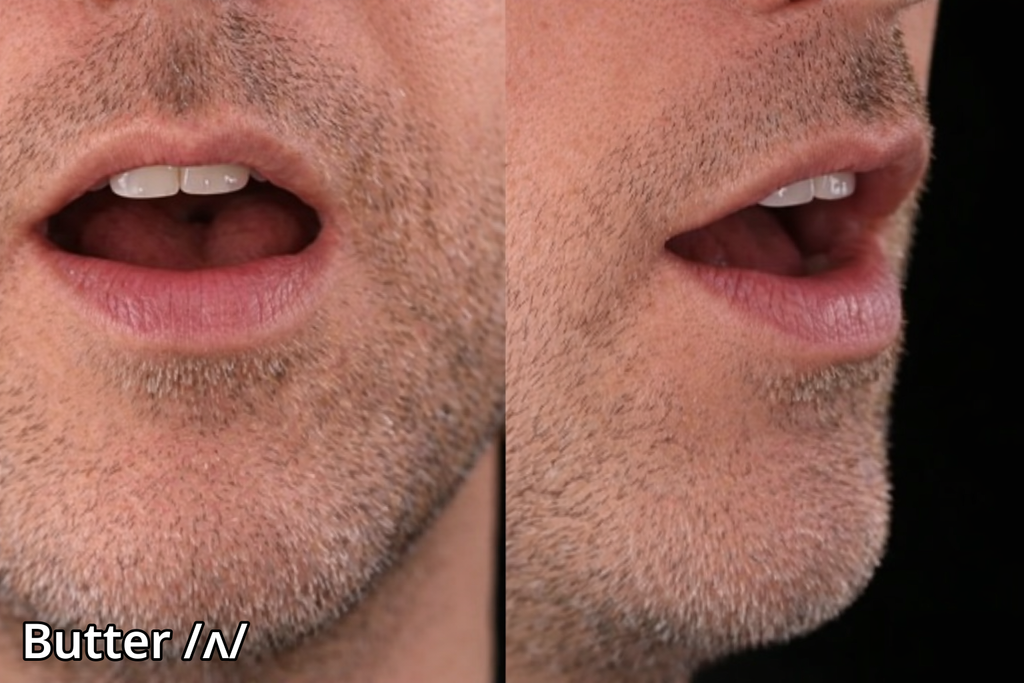
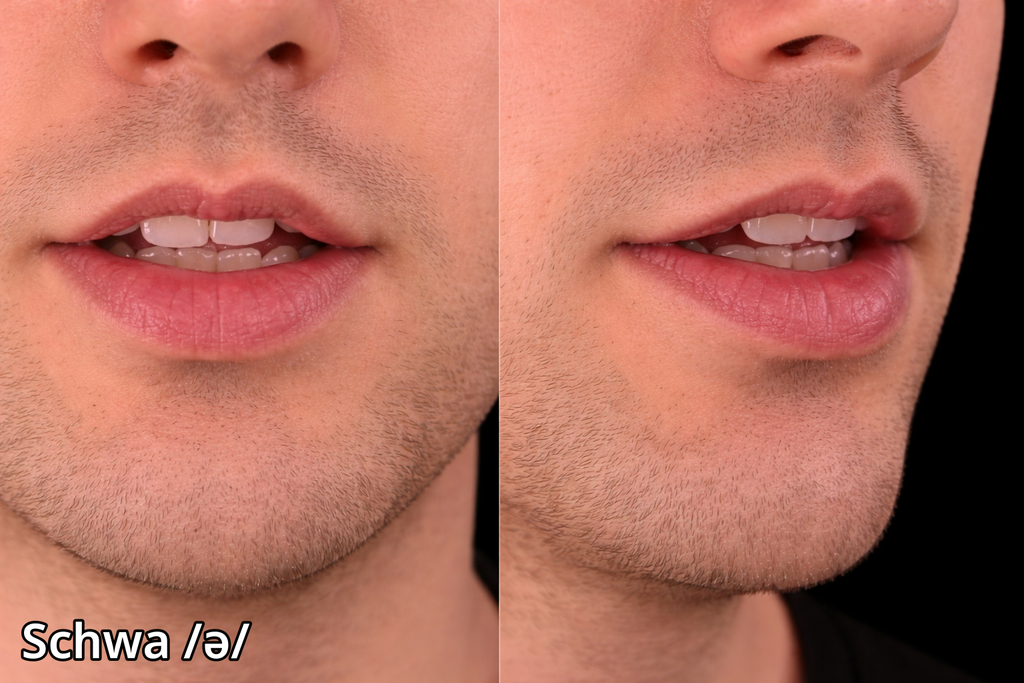
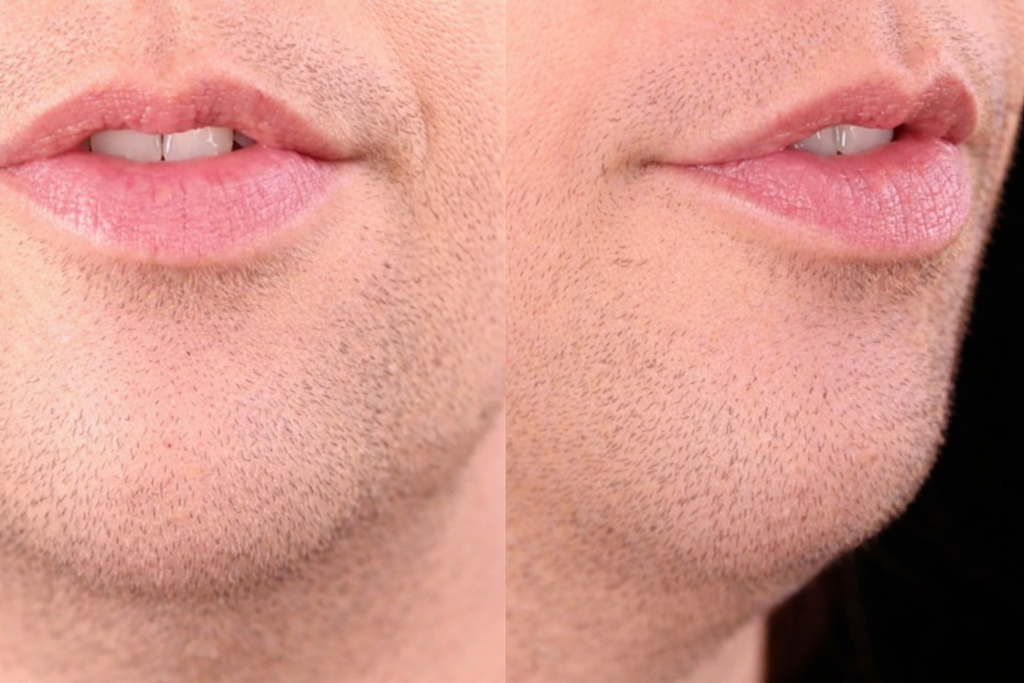
Americans pronounce love as LUHV (/lʌv/).
Now you try.
Record yourself saying "love" and play it back. The mic stays on your device — nothing's uploaded.
In real conversation
Hear "love" in the wild.
Click any sentence to see the full breakdown — every link, every reduction, every flap-T.
"I love the atmosphere of watching a movie in a crowded theater."
ahy LUHV dhee AT·muhs·feer uhv WAH·chuhng uh MOO·vee ihn uh KROW·duhd THEE·uh·der
"I love the cool breeze that comes in during autumn evenings."
ahy LUHV dhuh KOOL BREEZ dhuht kuhmz ihn DUUR·uhng AH·duhm EEV·nuhngz
"I love the sun."
ahy LUHV dhuh SUHN
"I would love to join you but I already have other plans."
ahy wuud LUHV tuh JOYN yoo buht ahy ahl·REH·dee HAV UH·dher PLANZ
"Love to laugh."
LUHV tuh LAF
"Love to live."
LUHV tuh LIHV
Questions
Questions people ask about this.
Is the American pronunciation of "love" different from British English?
American English uses different vowel shapes, a relaxed retroflex R, and connected-speech tricks like flap-T and glottal-stop T that British Received Pronunciation generally avoids. The respell "LUHV" reflects the casual American form; British dictionaries typically print a citation form with crisper consonants and different vowel choices.