How to pronounce The /s/ as in SUN /s/ in American English
One of the most common consonants in American English. Hear it in see, say, sit, set.
The /s/ consonant, the sun sound, is the sharp, hissing sound American English uses for words like see, sit, some, and city. To make it, bring your teeth close together, hover the tip of your tongue just behind your upper front teeth, and push a steady stream of air through the narrow gap. A tiny groove down the center of your tongue channels that air into a focused, high-pitched hiss. Your vocal cords stay completely silent, which is what separates it from its partner /z/.
Three small adjustments.
Get them right and the sound takes care of itself.
Place your tongue tip near the roof of your mouth behind your top teeth. Push air through the narrow gap. No voicing.
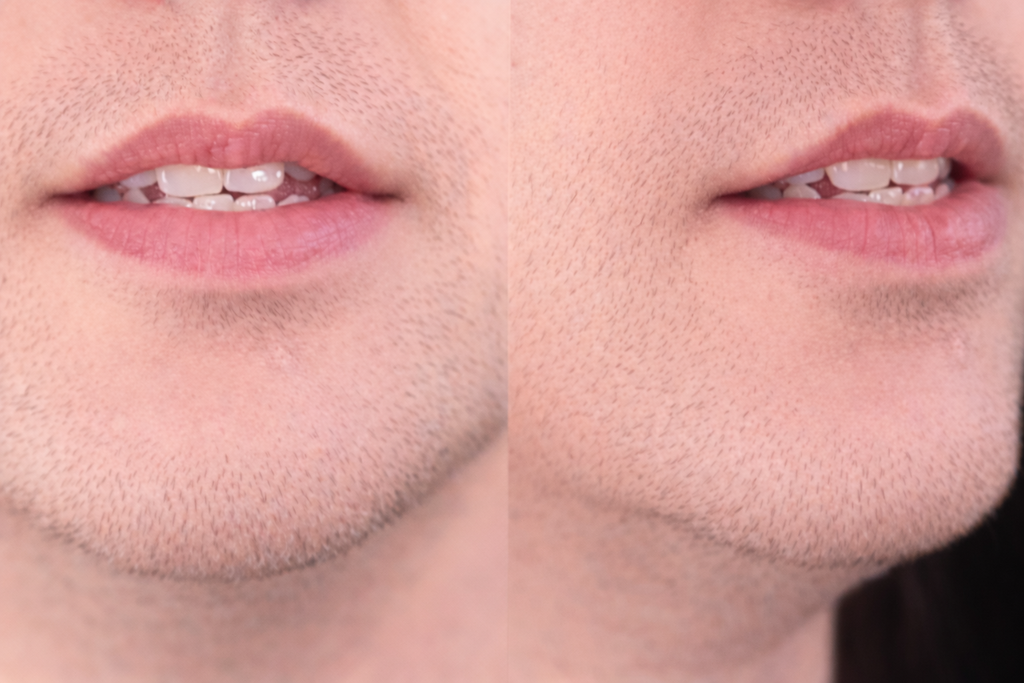
Mouth shape
/s/ as in see
Tongue
Tip hovers near the alveolar ridge, creating a narrow groove down the center.
Lips
Slightly spread.
Two things to remember.
The groove in the tongue center is essential. Air must be channeled, not spread.
This sound is paired with /z/. They use the exact same mouth position, but /z/ adds voicing from your vocal cords.
16 everyday words.
Tap any word for its full breakdown — every reduction, every flap-T.
In real conversation.
5 short sentences where this sound shows up. Tap to play; click the title for the full breakdown.
Connected-speech rules involving /s/.
Each rule has its own page with examples and practice tips.
Common questions about /s/.
How do I make the /s/ sound cleanly without a lisp?
Why does the letter S sometimes sound like a Z?
What's the difference between /s/ and the SH sound?

Practice /s/ with an AI coach.
SayWaader is the AI pronunciation coach for American English. Practice 5 minutes a day. Get a 5-axes accent assessment. Sound like you live here.