s/s/
Place your tongue tip near the roof of your mouth behind your top teeth. Push air through the narrow gap. No voicing.
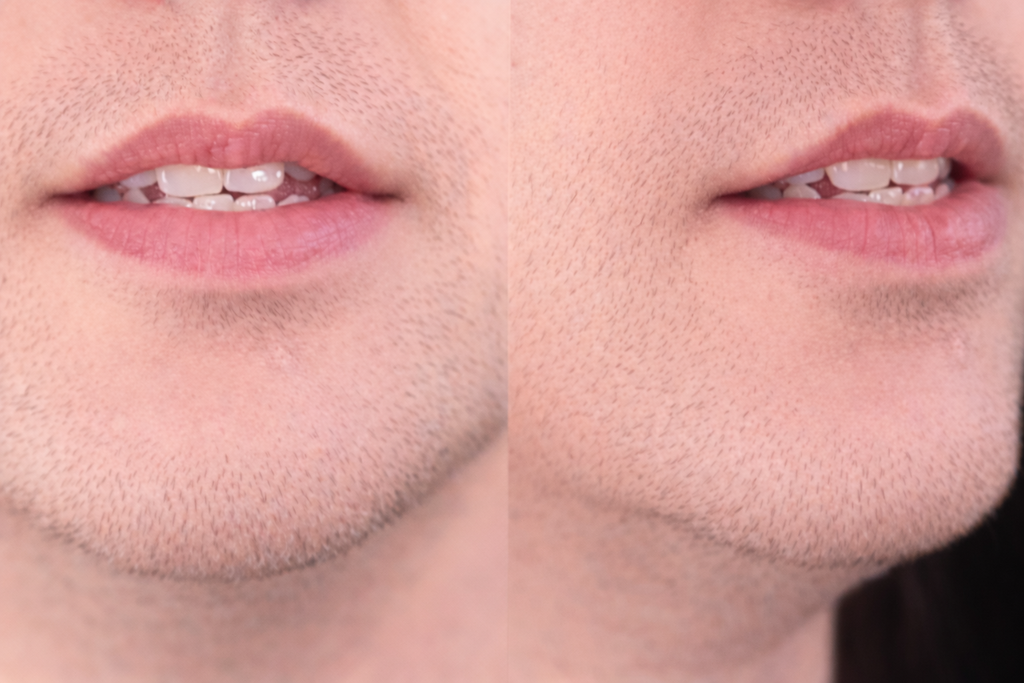
Americans pronounce sang as SANG (/sæŋ/). In "sang", the "a" vowel before NG shifts toward "ay" — sounding like "ay" as in "say", a distinctly American pattern — most prominent in Midwestern American English; other GenAm speakers may use a less raised vowel. This is called the Cat-Vowel Before NG, and it's why Americans sound more relaxed than the textbook. It comes out as SANG. You'll hear it in sentences like "She sang the national anthem before the start of the game".
Record yourself saying "sang" and play it back. The mic stays on your device — nothing's uploaded.
1 syllable, 3 sounds. Explore each sound's mouth shape and how it's made.
Place your tongue tip near the roof of your mouth behind your top teeth. Push air through the narrow gap. No voicing.
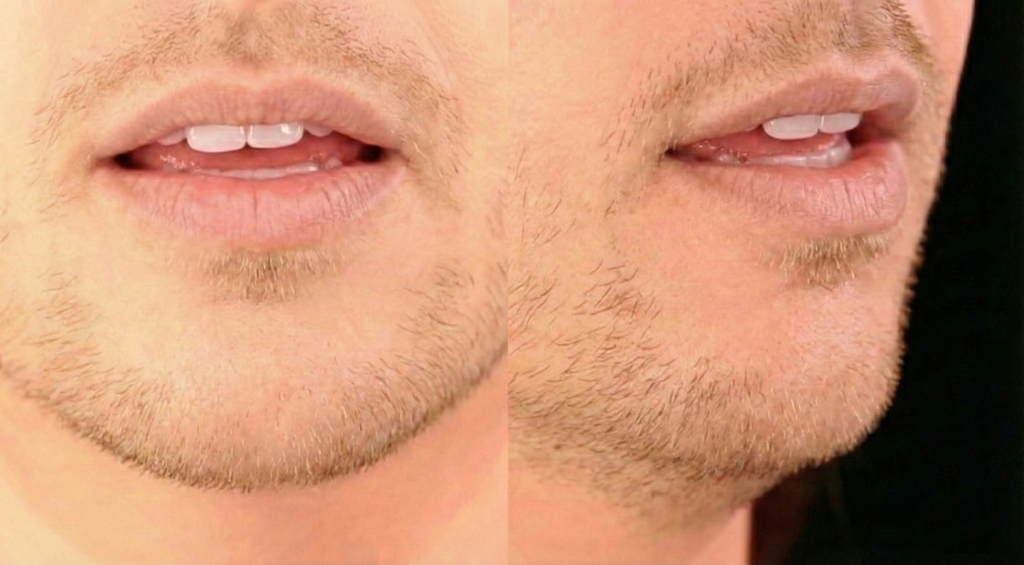
Before NG, the vowel changes to sound more like the AY (/eɪ/) diphthong. The middle part of the tongue lifts toward the roof of the mouth, then the front part arches up.
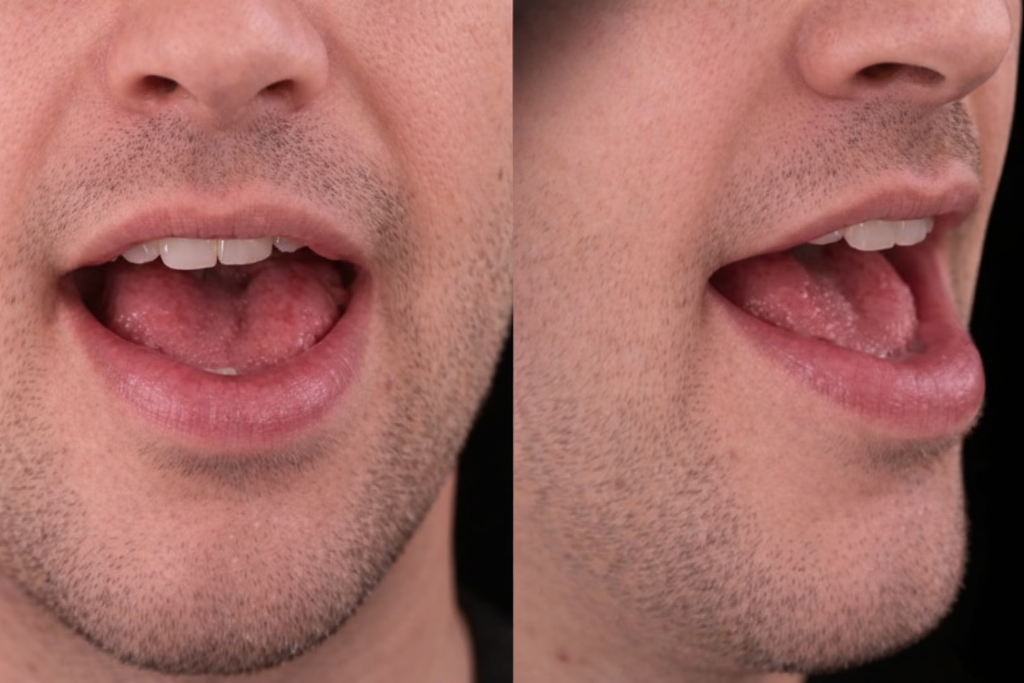
Lift the back of your tongue to the soft palate. Lower your soft palate to let air flow through your nose.
The textbook way isn't wrong — it's just not how anyone actually says it.
In "sang", the "a" vowel before NG shifts toward "ay" — sounding like "ay" as in "say", a distinctly American pattern — most prominent in Midwestern American English; other GenAm speakers may use a less raised vowel. Vowel changes to sound like /eɪ/ ("ay" as in "say").

SayWaader is the AI pronunciation coach for American English. Practice 5 minutes a day. Get a 5-axes accent assessment. Sound like you live here.