How to pronounce The /θ/ as in THINK /θ/ in American English
One of the most common consonants in American English. Hear it in think, three, bath, thin.
The /θ/ sound, the unvoiced TH in think, bath, and three, is a soft, airy consonant made by resting the very tip of your tongue slightly between your front teeth and blowing air gently around it. Unlike its voiced cousin in that, your vocal cords stay completely quiet here. Because this sound doesn't exist in many languages, speakers often substitute an S, T, or F, making think sound like sink or tink. To say it clearly, keep your tongue relaxed and let the air flow smoothly without biting down.
Three small adjustments.
Get them right and the sound takes care of itself.
Place the very tip of your tongue slightly between your teeth. Blow air gently around it without voicing.
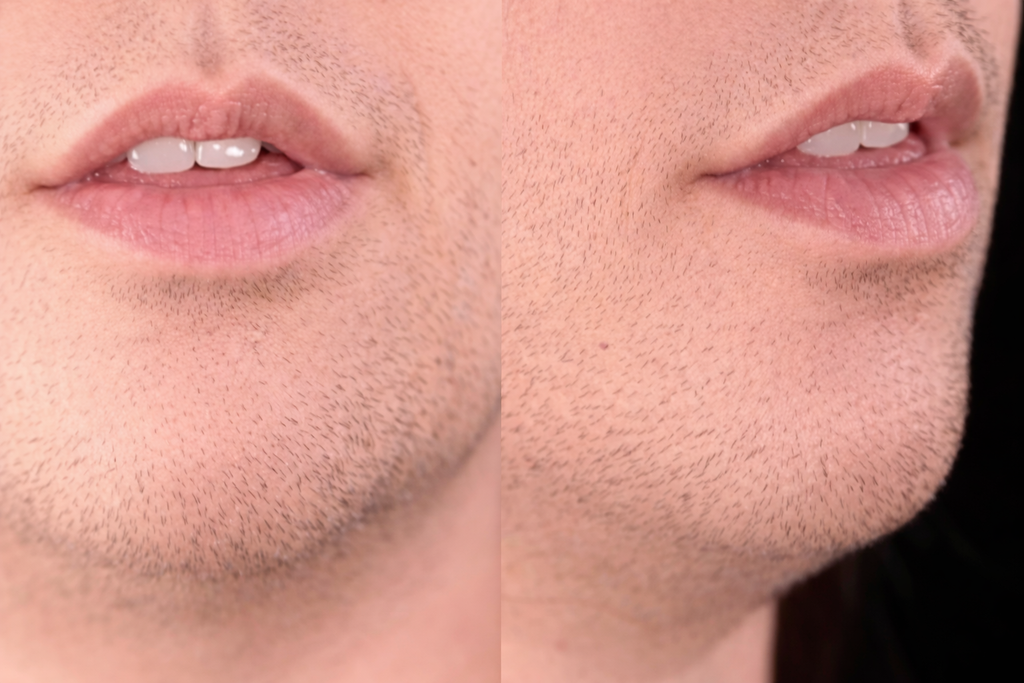
Mouth shape
/θ/ as in think
Tongue
The tip of the tongue rests lightly between or just behind the upper front teeth.
Lips
Don't affect this sound. They can transition to the next sound.
A few things to remember.
Only the very tip of the tongue should come between the teeth. Don't push too far forward.
Keep the tongue soft and relaxed so air can flow smoothly around it without getting blocked.
The tip of the tongue needs to connect with the teeth, whether slightly between them or right behind them. The lips are free to prepare for the next sound (e.g., rounding for R in 'three').
16 everyday words.
Tap any word for its full breakdown — every reduction, every flap-T.
In real conversation.
5 short sentences where this sound shows up. Tap to play; click the title for the full breakdown.
Common questions about /θ/.
What's the easiest way to make the TH sound in "think"?
What is the difference between the TH in "think" and "that"?
Why do I accidentally say "sink" or "tink" instead of "think"?

Practice /θ/ with an AI coach.
SayWaader is the AI pronunciation coach for American English. Practice 5 minutes a day. Get a 5-axes accent assessment. Sound like you live here.