How to pronounce as in American English
uhz
Start here
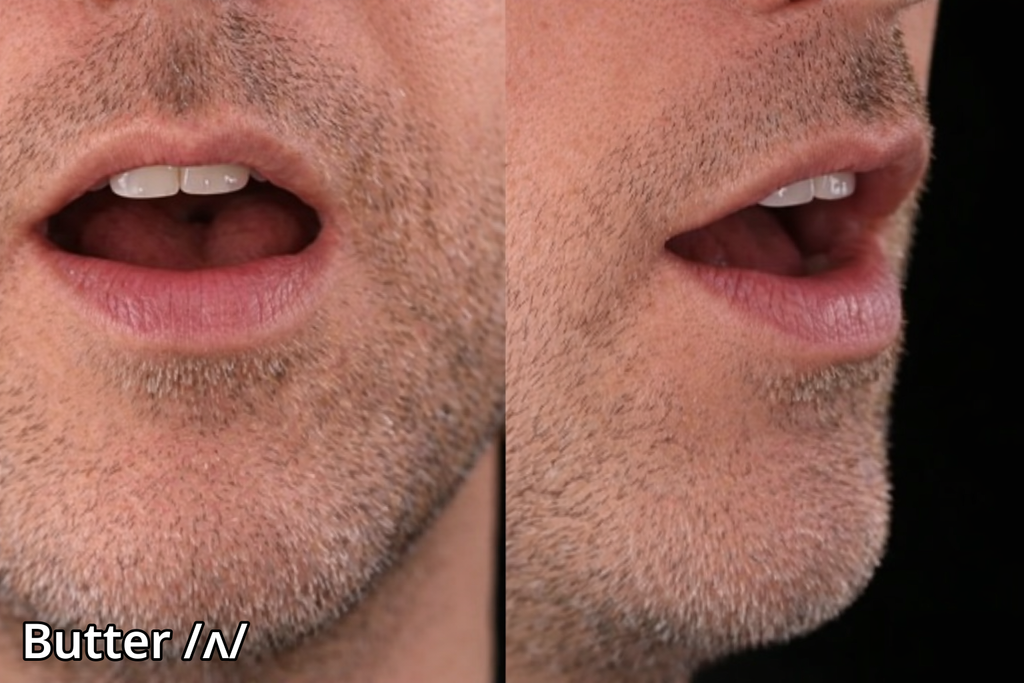
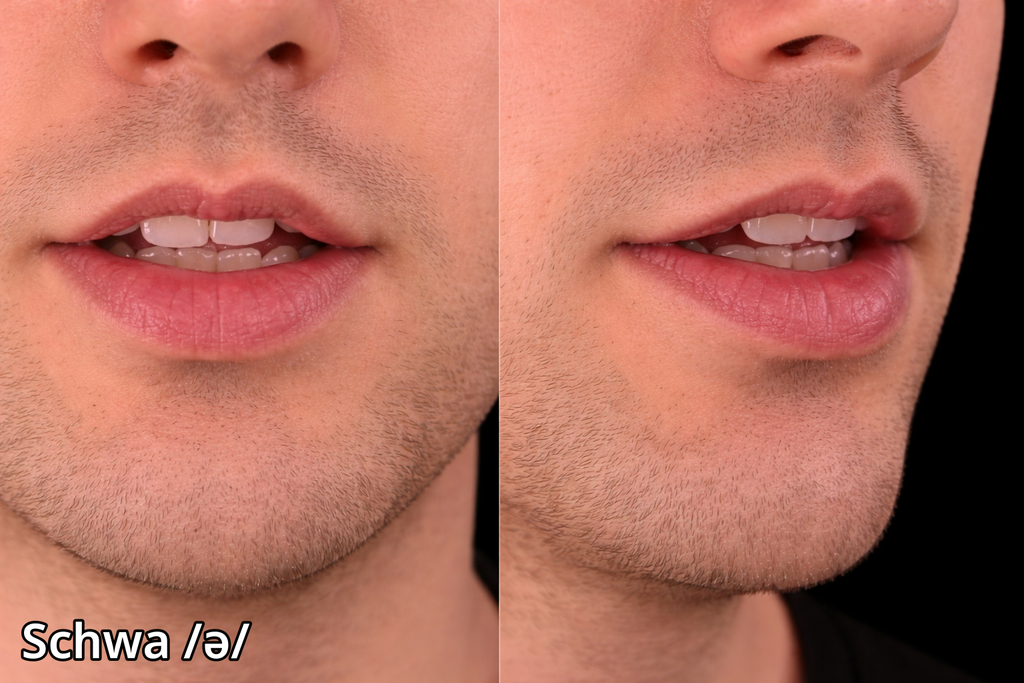
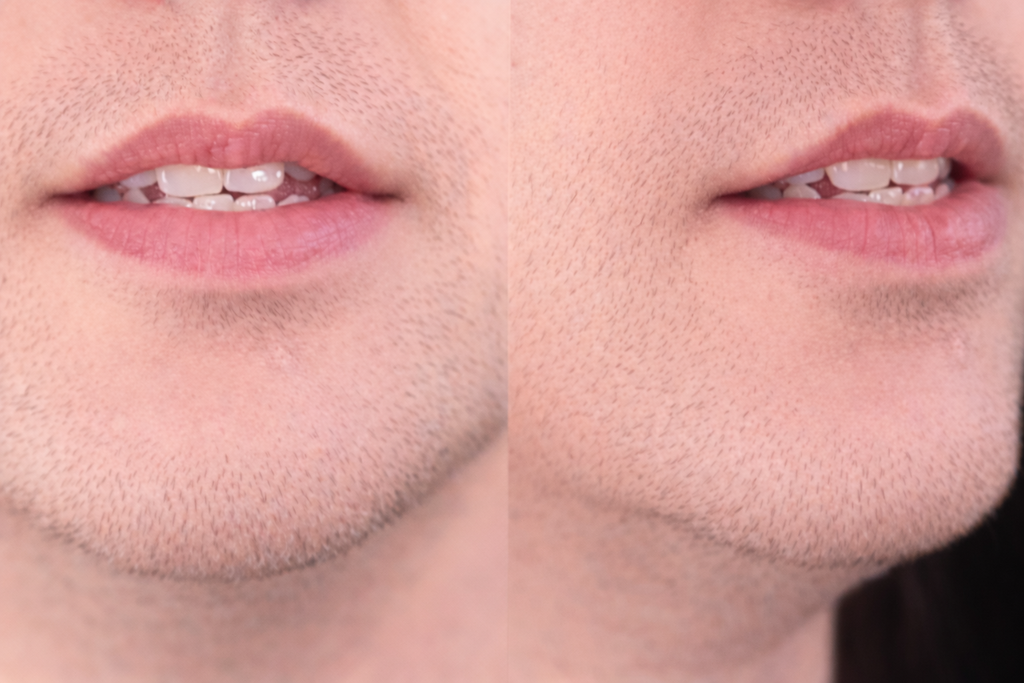
Americans pronounce as as uhz (/əz/).
Now you try.
Record yourself saying "as" and play it back. The mic stays on your device — nothing's uploaded.
Why it sounds different
Why "as" sounds like uhz.
The "" at the end of "" flows directly into the vowel starting "" — the consonant migrates to the next word with no pause between. This is called the Consonant-to-Vowel Linking, a connected-speech trick that makes phrases flow. It comes out as uhz.
In real conversation
Hear "as" in the wild.
Click any sentence to see the full breakdown — every link, every reduction, every flap-T.
"As discussed, the meeting has been moved to Thursday afternoon."
uhz duh·SKUHST dhuh MEE·duhng huhz bihn moovd tuh THURZ·day af·ter·NOON
"As far as I know, the meeting is still scheduled for ten."
uhz FAR uhz ahy NOH dhuh MEE·duhng ihz STIHL SKEH·joold fer TEHN
"As you can see from this chart, our growth has been consistent."
uhz yoo kuhn SEE fruhm dhihs CHART ar GROHTH huhz bihn kuhn·SIH·stuhnt
"Carbon capture technology is being developed as a potential solution."
KAR·buhn KAP·cher tehk·NAH·luh·jee ihz BEE·uhng duh·VEH·luhpt uhz uh puh·TEHN·shuhl suh·LOO·shuhn
"E-commerce sales have surged as shopping habits continue to evolve."
EE KAH·mers SAYLZ hav SURJD uhz SHAH·puhng HA·buhts kuhn·TIHN·yoo tuh uh·VAHLV
"Enzymes act as catalysts to speed up chemical reactions in the body."
EHN·zahymz AKT uhz KA·duh·luhsts tuh SPEED UHP KEH·muh·kuhl ree·AK·shuhnz ihn dhuh BAH·dee
Watch out
Common pronunciation mistakes in American English.
The textbook way isn't wrong — it's just not how anyone actually says it.
01
Pronouncing the first syllable too fully.
Don't pronounce the first syllable too fully. The unstressed syllable reduces to a schwa — the lazy "uh" sound — in casual speech.

UHZ→uhz
Questions
Questions people ask about this.
Is the American pronunciation of "as" different from British English?
American English uses different vowel shapes, a relaxed retroflex R, and connected-speech tricks like flap-T and glottal-stop T that British Received Pronunciation generally avoids. The respell "uhz" reflects the casual American form; British dictionaries typically print a citation form with crisper consonants and different vowel choices.