b/b/
Press your lips together, add vocal cord vibration, then release.
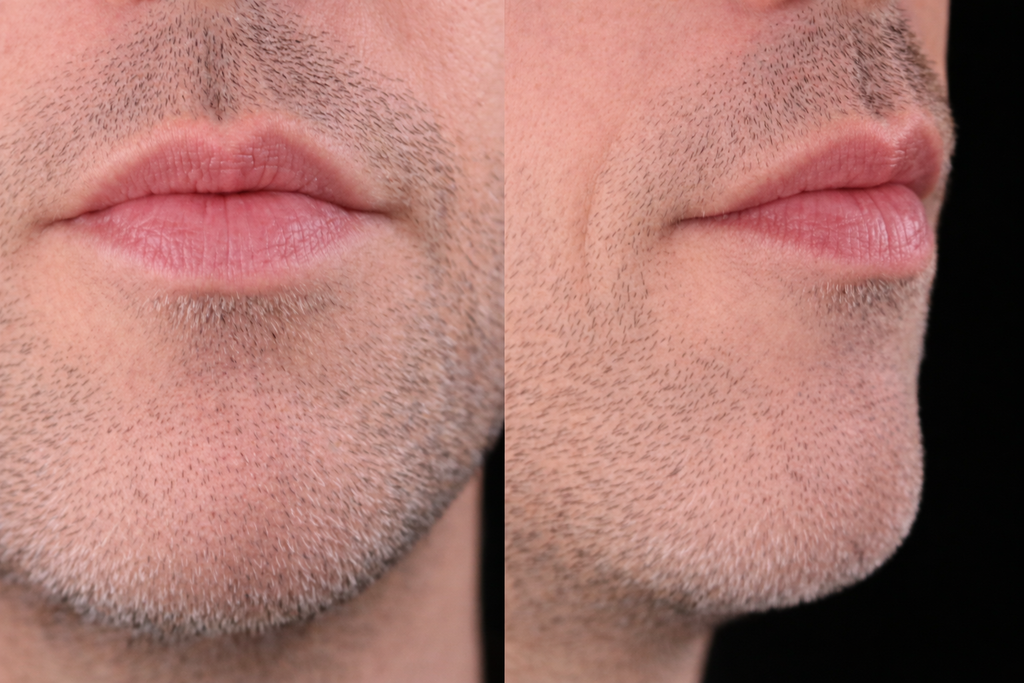
Americans pronounce beach as BEECH (/bitʃ/). You'll hear it in sentences like "I want to go to the beach tomorrow" or "She walked along the sandy beach at sunset" — more examples below.
Record yourself saying "beach" and play it back. The mic stays on your device — nothing's uploaded.
1 syllable, 3 sounds. Explore each sound's mouth shape and how it's made.
Press your lips together, add vocal cord vibration, then release.
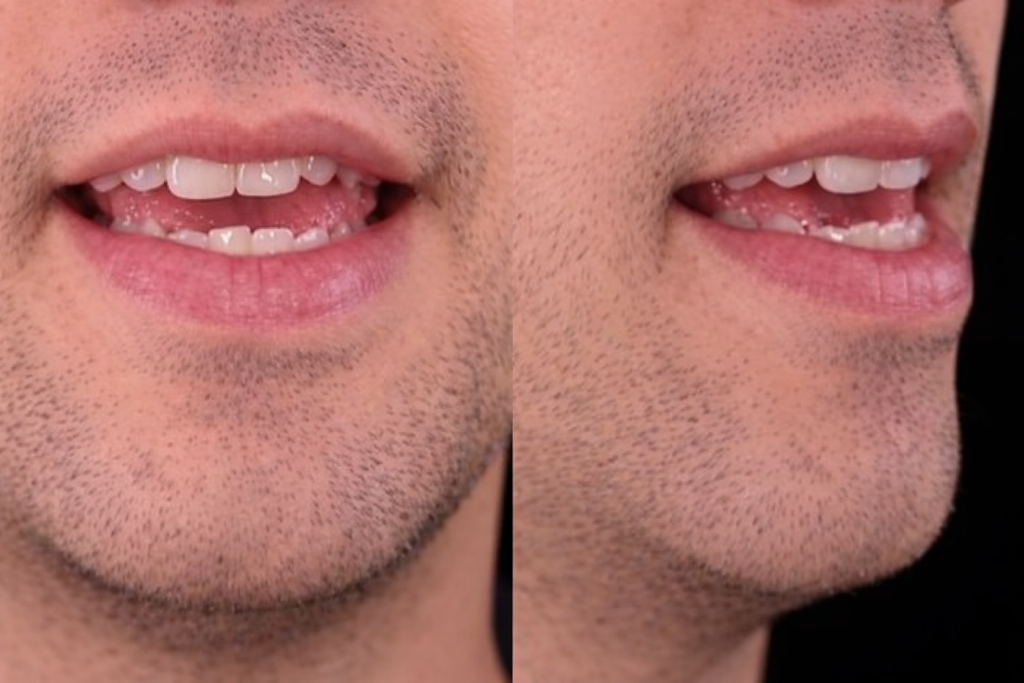
Pull the corners of your lips back slightly. Arch the middle-front of your tongue high toward the roof of the mouth.
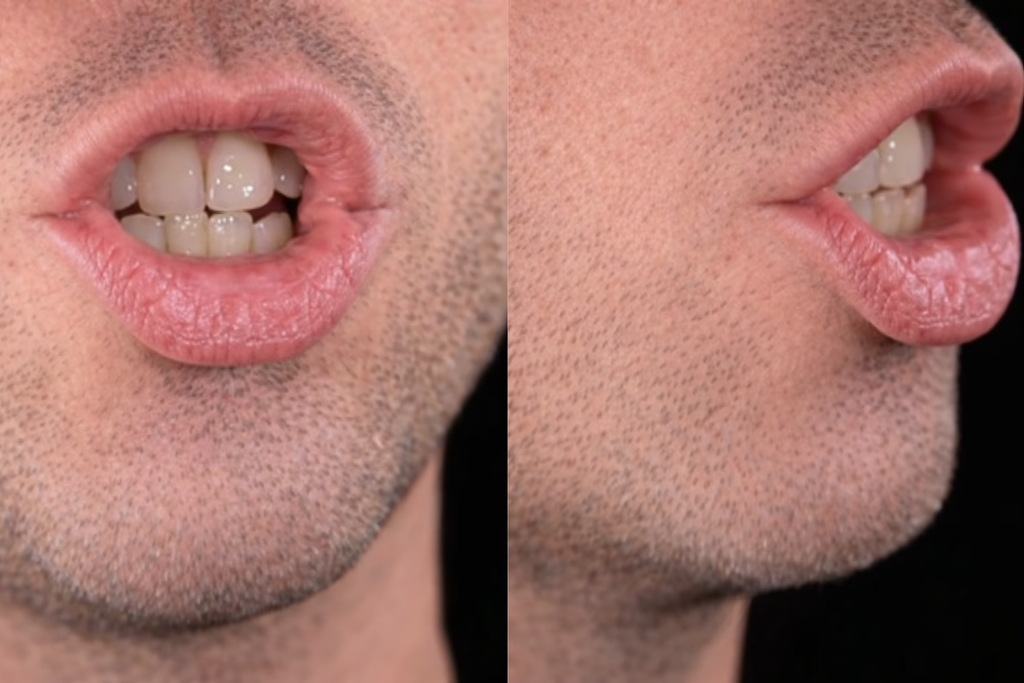
Touch the front of your tongue to the roof of your mouth, then release into a 'sh' position. Flare your lips.
Click any sentence to see the full breakdown — every link, every reduction, every flap-T.

SayWaader is the AI pronunciation coach for American English. Practice 5 minutes a day. Get a 5-axes accent assessment. Sound like you live here.