How to pronounce The SEE Vowel /i/ in American English
One of the most common vowels in American English. Hear it in see, keep, eat, each.
The /i/ vowel, the see sound, is the high, bright vowel American English uses in words like eat, keep, and please. To make it, keep your jaw nearly closed, pull the corners of your lips back into a slight smile, and arch the middle-front of your tongue high toward the roof of your mouth. While this sound exists in most languages, Americans also use it as a quick, unstressed ending for words like happy and busy. Holding this stretched, tense shape keeps see from sounding like the lazier /ɪ/ in sit.
Three small adjustments.
Get them right and the sound takes care of itself.
Pull the corners of your lips back slightly. Arch the middle-front of your tongue high toward the roof of the mouth.
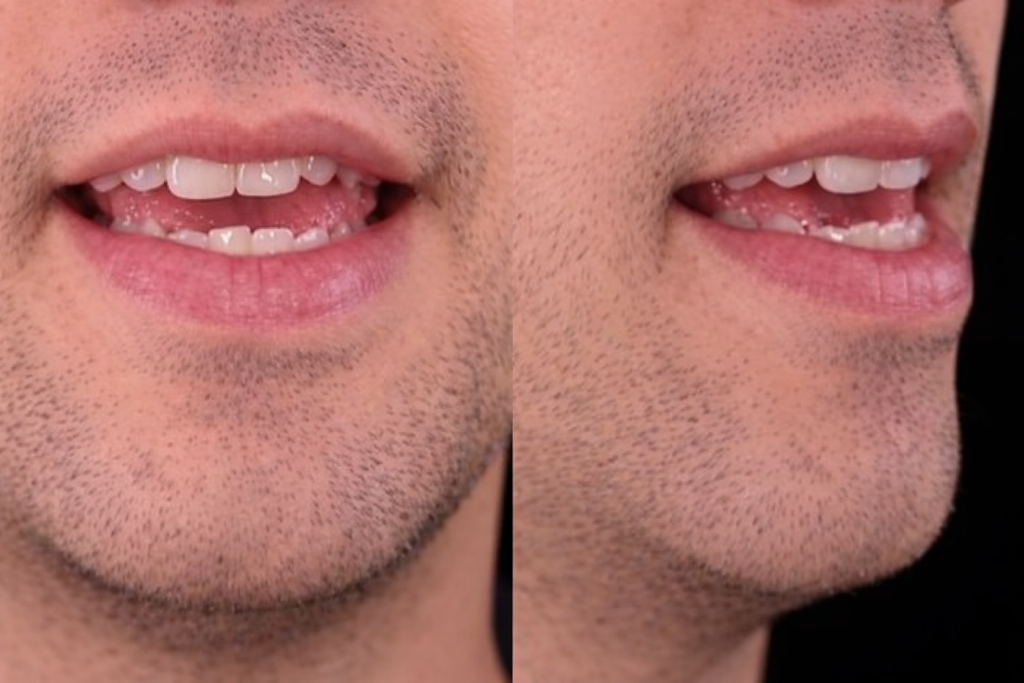
Mouth shape
/i/ as in see
Jaw
Almost completely closed. Teeth are very close together, but not touching.
Tongue
Tip stays behind the bottom front teeth. The middle-front part arches up towards the roof of the mouth, reducing the space between the tongue and the roof.
Lips
Corners pull a little wide, not quite relaxed.
A few things to remember.
This vowel is common to many languages, so it may feel familiar.
Very common as an unstressed ending vowel in American English because of words ending in Y (e.g., busy, happy).
When /i/ is followed immediately by another vowel, Americans link the words with a hidden 'y' sound. 'See it' becomes 'see-yit'. 'The end' becomes 'the-yend'.
Vowel length changes based on the next consonant. The /i/ in 'seed' (voiced 'd') is held noticeably longer than the /i/ in 'seat' (voiceless 't').
Compare with similar sounds.
If your sound is sliding into a neighbor, here's how to tell them apart.
16 everyday words.
Tap any word for its full breakdown — every reduction, every flap-T.
In real conversation.
5 short sentences where this sound shows up. Tap to play; click the title for the full breakdown.
Common questions about /i/.
What is the difference between the vowels in "see" and "sit"?
How do Americans pronounce words that end in Y, like "happy" or "busy"?
Why does the /i/ vowel have so many different spellings?

Practice /i/ with an AI coach.
SayWaader is the AI pronunciation coach for American English. Practice 5 minutes a day. Get a 5-axes accent assessment. Sound like you live here.