How to pronounce key in American English

IPA /ki/ Syllables 1 · kee Stress 1st syllable
KEE
Start here

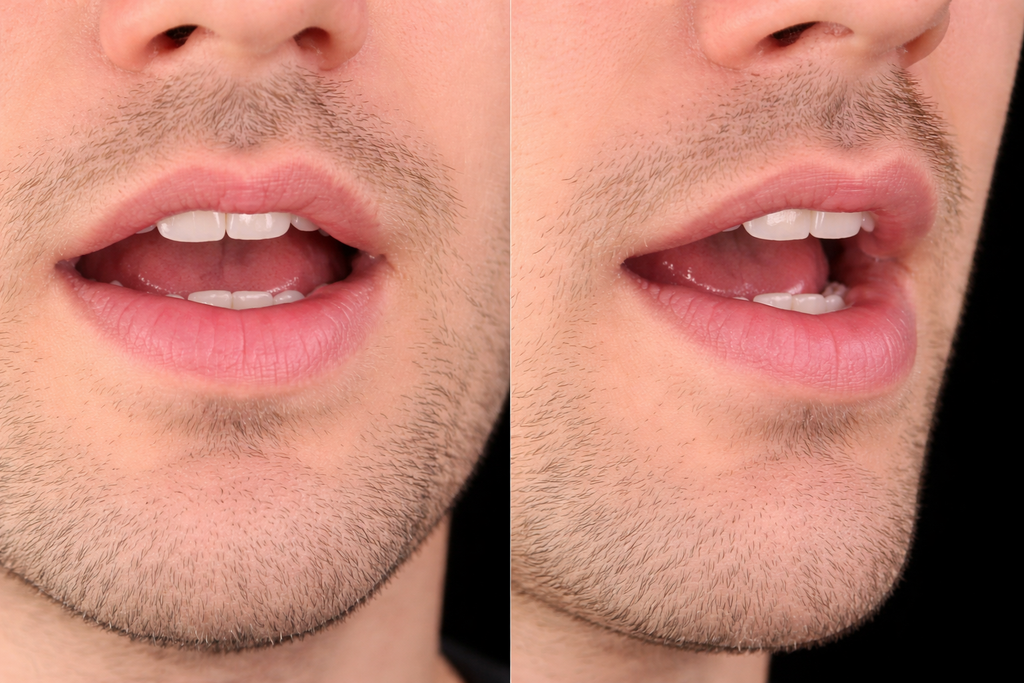
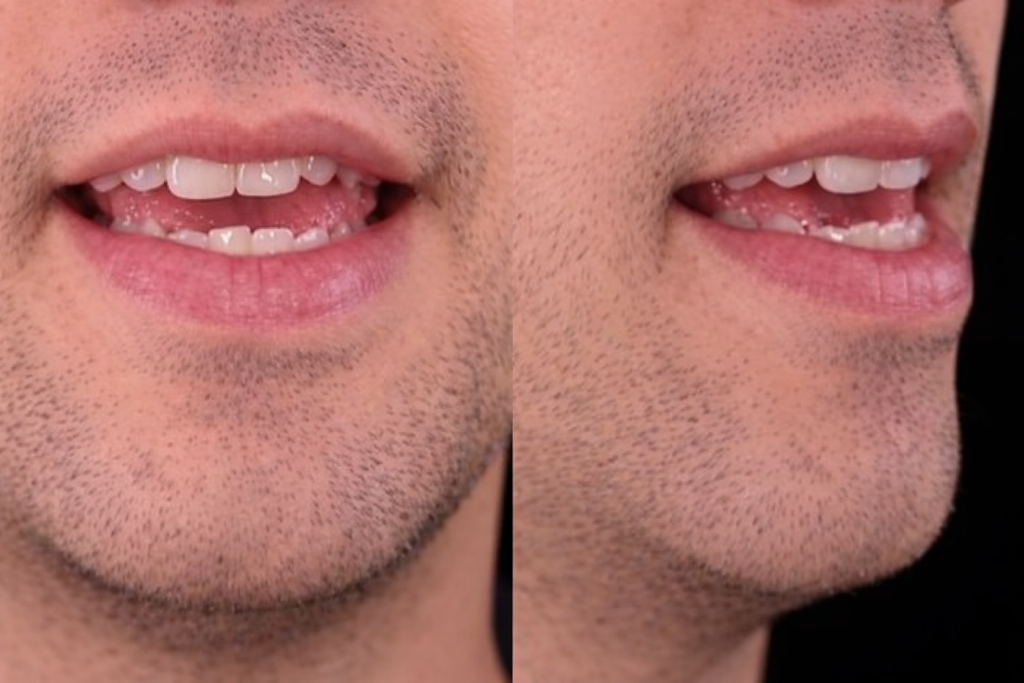
Americans pronounce key as KEE (/ki/).

Now you try.

Record yourself saying "key" and play it back. The mic stays on your device — nothing's uploaded.

Ready when you are
Tap the mic to start
Preview your accent profile

Get your accent profile and 5-axes assessment.

Sounds
75%
Clarity
68%
Stress
78%
Intonation
65%
Fluency
62%

Overall assessment

Our AI coach listens to your recording and grades 5 dimensions of pronunciation — then tells you exactly what to fix next.

72% Noticeable accent
Unlock the full report in the app
Why it sounds different

Why "key" sounds like KEE.

Between "" and "", a brief "" glide bridges the two vowels for smooth flow. This is called the Vowel-to-Vowel Linking, what turns word-by-word reading into actual conversation. It comes out as KEE.

In real conversation

Hear "key" in the wild.

Click any sentence to see the full breakdown — every link, every reduction, every flap-T.

"Consumer spending has been a key driver of economic growth."
kuhn·SOO·mer SPEHN·duhng huhz bihn uh KEE DRAHY·ver uhv eh·kuh·NAH·muhk GROHTH
"Could you please summarize the key points from our discussion?"
kuud yoo PLEEZ SUH·muh·rahyz dhuh KEE POYNTS fruhm owr duh·SKUH·shuhn
"Effective communication is the key to successful teamwork."
uh·FEHK·tuhv kuh·myoo·nuh·KAY·shuhn uhz dhuh KEE tuh suhk·SEHS·fuhl TEEM·wurk
"I highlighted key points while reading to identify important concepts."
ahy HAHY·lahy·duhd KEE POYNTS WAHYL REE·duhng tuh ahy·DEHN·tuh·fahy uhm·POR·tuhnt KAHN·sehpts
"Let me walk you through the key features of our product."
LEHT mee WAHK yoo throo dhuh KEE FEE·cherz uhv ar PRAH·duhkt
"She agreed to receive the key to the sequence."
shee uh·GREED tuh ruh·SEEV dhuh KEE tuh dhuh SEE·kwuhns
Questions

Questions people ask about this.

Is the American pronunciation of "key" different from British English?
American English uses different vowel shapes, a relaxed retroflex R, and connected-speech tricks like flap-T and glottal-stop T that British Received Pronunciation generally avoids. The respell "KEE" reflects the casual American form; British dictionaries typically print a citation form with crisper consonants and different vowel choices.

Stop reading about "key". Start saying it.

SayWaader is the AI pronunciation coach for American English. Practice 5 minutes a day. Get a 5-axes accent assessment. Sound like you live here.