The vowels in seat /i/ and sit /ɪ/ sound similar but feel completely different in the mouth. /i/ is long and tight: lips spread, tongue pushed far up and forward, the vowel held and stretched. /ɪ/ is shorter and a notch lower; the tongue drops, the lips relax, and the vowel comes out clipped. Speakers of Spanish, Italian, Portuguese, Japanese, Mandarin, and Korean often blur these together. Pulling them apart will quickly make your American English easier to understand.
How the two sounds differ.
4 small mouth adjustments. Get any one of them wrong and the sound slides into its neighbor.
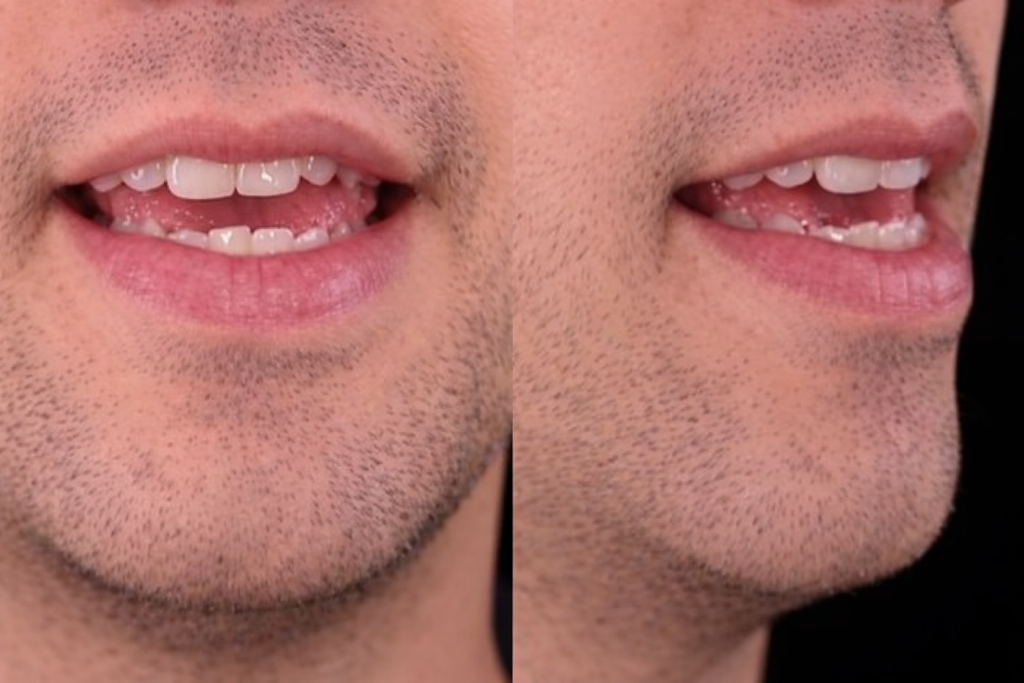
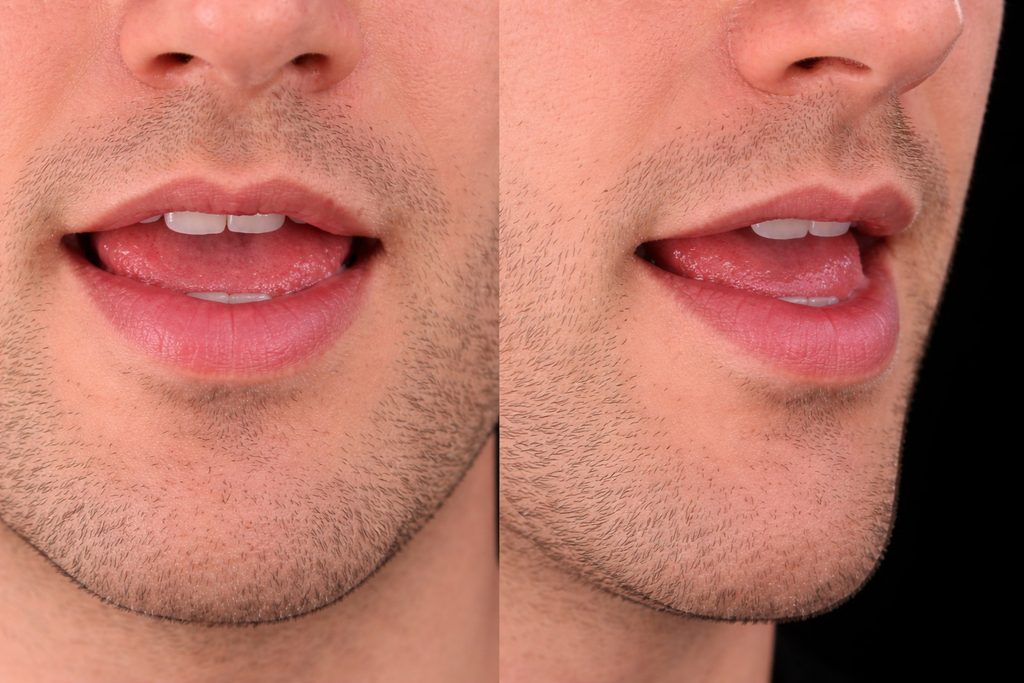
Now you try.
Record yourself saying "Seat" and "Sit" a few times. Listen back — your own ear is the best feedback for nailing the contrast.
Words that change with one sound.
Every pair below differs by exactly one sound: flip /i/ to /ɪ/ and the meaning flips with it. Tap any word for its full breakdown.
If your ear blurs them, here's why.
Most of the world's languages have only one /i/-type vowel, and it's usually the long, tight version. Speakers of these languages tend to use that single vowel for both English /i/ and /ɪ/, which collapses pairs like sheep / ship, leave / live, beach / bitch into the same sound. The fix isn't to make /ɪ/ shorter. You have to physically relax the tongue and jaw a notch and let the vowel feel a bit sloppy. American /ɪ/ is supposed to feel lazy. If it still sounds tight, American ears will hear /i/, no matter how short you make it.
Train the muscle, then the ear.
4 short drills. Do them out loud: feel the change inside your mouth before you try to hear it.
Say see and hold it. Now slide your jaw open one notch and let the lips relax, that's sih as in sit. The vowel should feel like it dropped a step, not just shorter.
Pair-record yourself: say sheep, ship, sheep, ship in alternation. Listen back. If they sound the same, your /ɪ/ is too tight. Relax your jaw and tongue further.
Read minimal-pair sentences out loud: My feet don't fit, The sheep is on the ship. Exaggerate the relaxation in /ɪ/ until you can hear the difference clearly, then dial it back to normal.
Listen to American speakers say women, busy, England, these have /ɪ/ in unexpected spellings. Your ear should hear the relaxed quality regardless of how the word is spelled.
Common questions about Seat vs Sit.
Why do "sheep" and "ship" sound the same when I say them?
Is /ɪ/ just a shorter version of /i/?
Which vowel is more common in casual American speech, /i/ or /ɪ/?

Master Seat vs Sit with an AI coach.
SayWaader is the AI pronunciation coach for American English. Practice 5 minutes a day. Get a 5-axes accent assessment. Sound like you live here.