How to pronounce The SIT Vowel /ɪ/ in American English
One of the most common vowels in American English. Hear it in sit, fix, big, tip.
The /ɪ/ vowel, the sit sound, is the short, relaxed vowel Americans use in words like sit, fix, big, and quick. Drop your jaw slightly, keep your lips completely relaxed, and arch the top-front of your tongue toward the roof of your mouth while the tip rests behind your bottom teeth. A lot of languages don't have this loose shape, so speakers swap it for the tighter /i/ in seat. Keep the jaw and tongue relaxed and you've got the casual American shape.
Three small adjustments.
Get them right and the sound takes care of itself.
Drop your jaw slightly with relaxed lips. Touch the tongue tip behind the bottom front teeth and arch the top-front toward the roof.
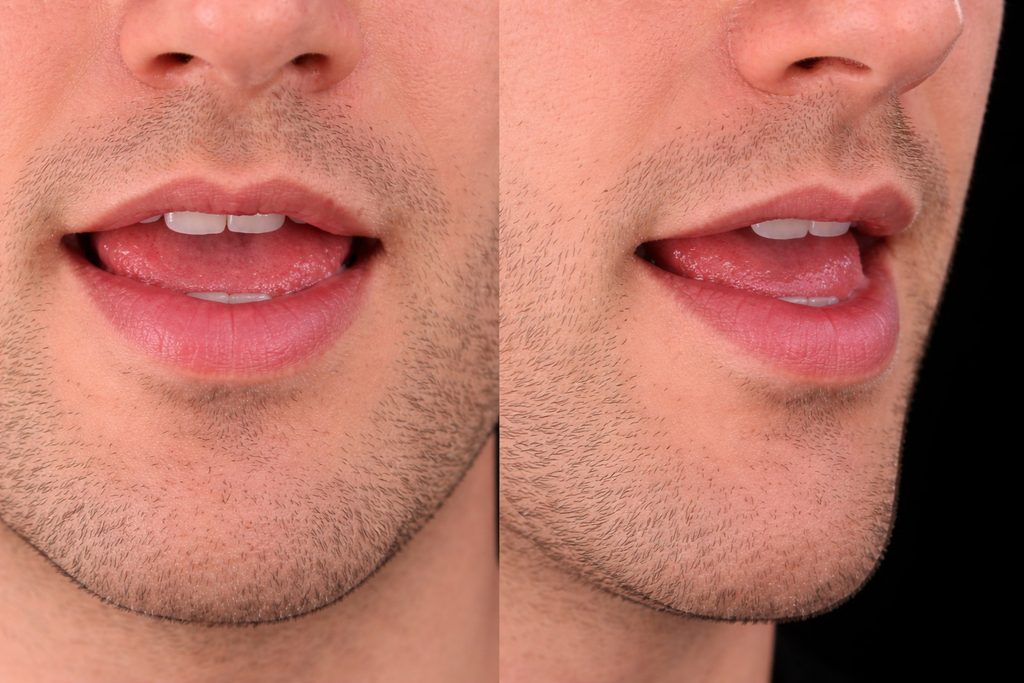
Mouth shape
/ɪ/ as in sit
Jaw
Relaxed drop, not very much.
Tongue
Tip stays forward, lightly touching the back of the bottom front teeth. The top-front part arches up towards the roof of the mouth.
Lips
Relaxed.
One thing to remember.
Non-native speakers often replace IH with EE. Be careful to drop the jaw more for IH.
Compare with similar sounds.
If your sound is sliding into a neighbor, here's how to tell them apart.
16 everyday words.
Tap any word for its full breakdown — every reduction, every flap-T.
In real conversation.
5 short sentences where this sound shows up. Tap to play; click the title for the full breakdown.
Connected-speech rules involving /ɪ/.
Each rule has its own page with examples and practice tips.
Common questions about /ɪ/.
What's the easiest way to make the /ɪ/ vowel in American English?
Why do "sit" and "seat" sound exactly the same when I say them?
Why does the E in "pretty" or the U in "busy" sound like the SIT vowel?

Practice /ɪ/ with an AI coach.
SayWaader is the AI pronunciation coach for American English. Practice 5 minutes a day. Get a 5-axes accent assessment. Sound like you live here.