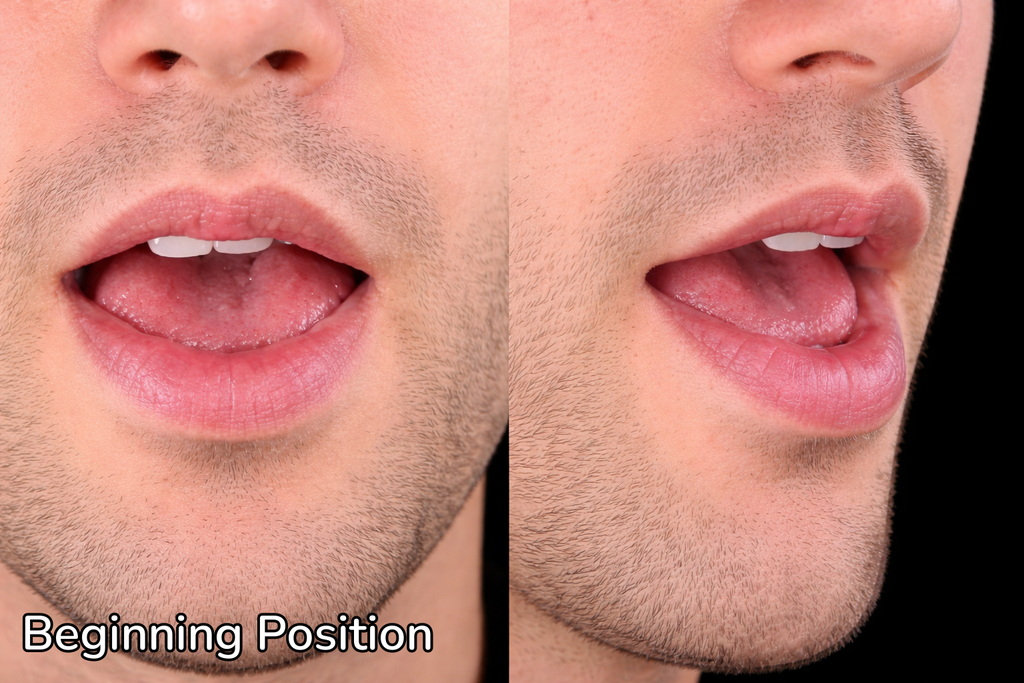
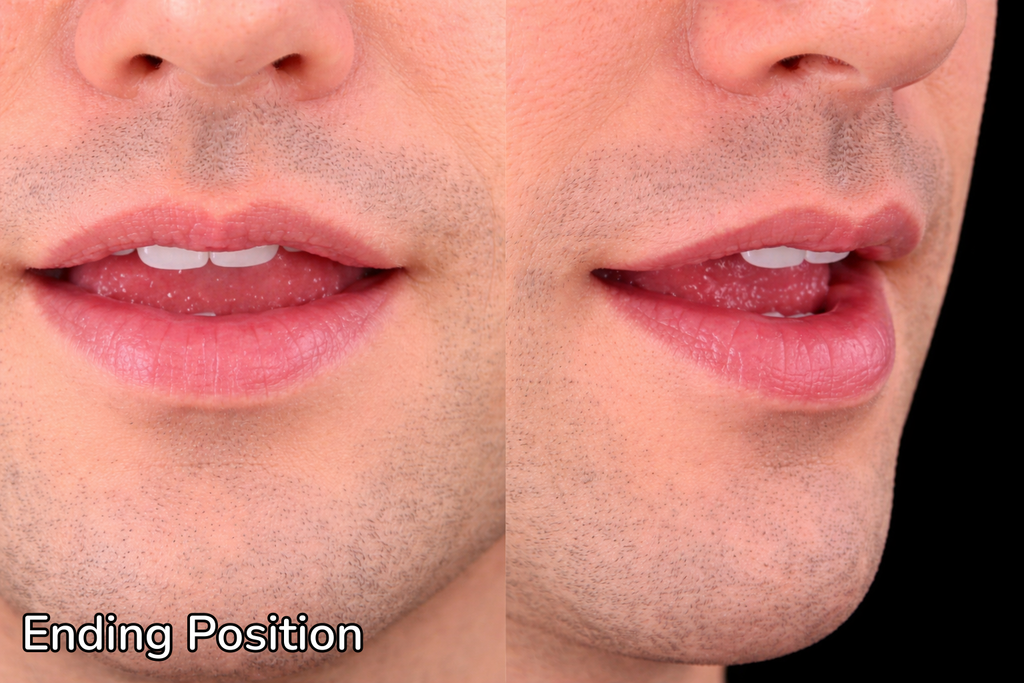
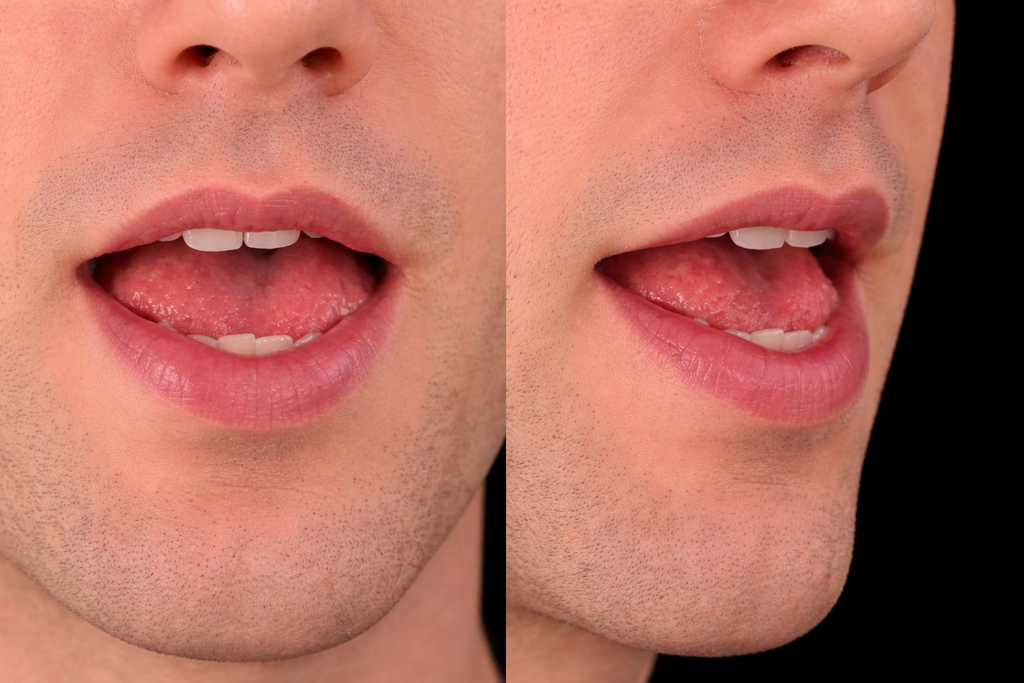
The vowel in wait /eɪ/ is a moving target, while the vowel in wet /ɛ/ stays perfectly still. /eɪ/ is a diphthong, meaning your mouth physically moves while you say it: the jaw starts open and closes slightly as the tongue glides up. /ɛ/ is a short, relaxed vowel where the jaw drops and stays locked in place. Speakers of Spanish and Japanese often blur these together by using a single halfway vowel, which can make pain sound exactly like pen.
How the two sounds differ.
4 small mouth adjustments. Get any one of them wrong and the sound slides into its neighbor.
Now you try.
Record yourself saying "Wait" and "Wet" a few times. Listen back — your own ear is the best feedback for nailing the contrast.
Words that change with one sound.
Every pair below differs by exactly one sound: flip /eɪ/ to /ɛ/ and the meaning flips with it. Tap any word for its full breakdown.
If your ear blurs them, here's why.
Most of the world's languages don't have the short, relaxed /ɛ/ vowel paired with a separate gliding /eɪ/ diphthong. Languages like Spanish and Japanese have a single, pure e-style vowel that sits right in the middle of the mouth. When these speakers learn English, their brains substitute that familiar halfway vowel for both American sounds. The result is a pronunciation that comes out a bit too tight for bed and completely misses the glide for day. Pairs like pen/pain or let/late collapse into the same word. The fix is movement: /eɪ/ wants your jaw to physically close a notch, while /ɛ/ wants your mouth to drop open and freeze.
Train the muscle, then the ear.
3 short drills. Do them out loud: feel the change inside your mouth before you try to hear it.
Use the mirror test: say day and watch your jaw. It should start open and visibly close a notch by the end of the vowel. Now say bed: your jaw should drop and freeze in place.
Stretch it out: hold the vowel in pain for two full seconds, feeling the tongue glide up. Then say pen as a short, relaxed pulse. The contrast in length and movement trains your mouth.
Record yourself reading minimal pairs: let/late, pen/pain, wet/wait, test/taste. If they sound identical, you're likely freezing your jaw on the /eɪ/ words. Force the glide.
Common questions about Wait vs Wet.
Why do "pen" and "pain" sound the same when I say them?
How do I know if I'm pronouncing the /eɪ/ glide correctly?
Is /eɪ/ just a longer version of /ɛ/?

Master Wait vs Wet with an AI coach.
SayWaader is the AI pronunciation coach for American English. Practice 5 minutes a day. Get a 5-axes accent assessment. Sound like you live here.