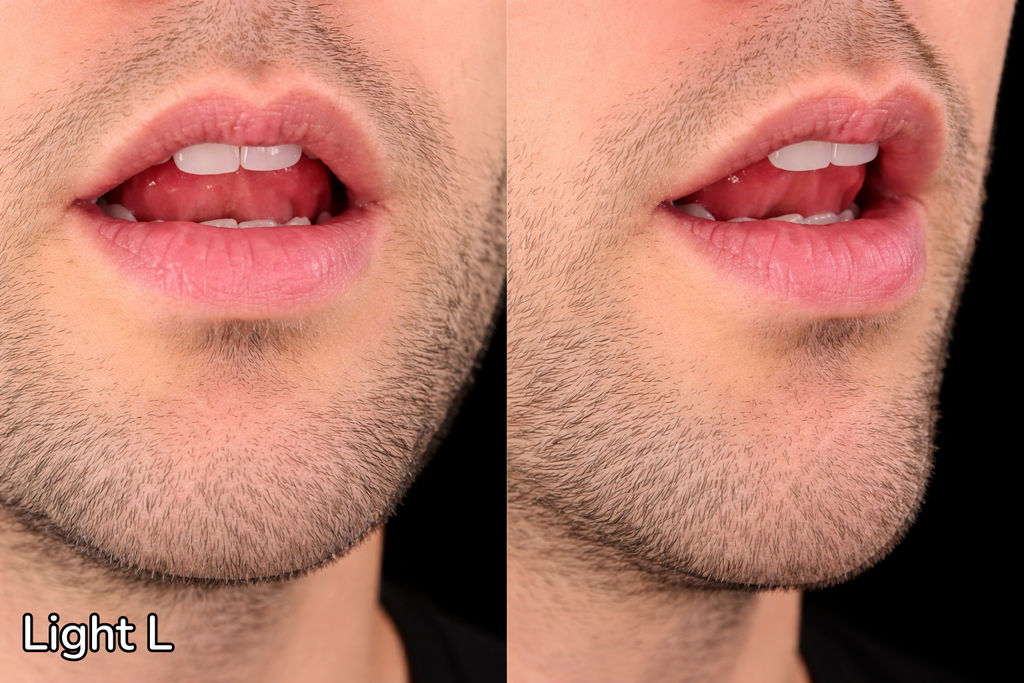
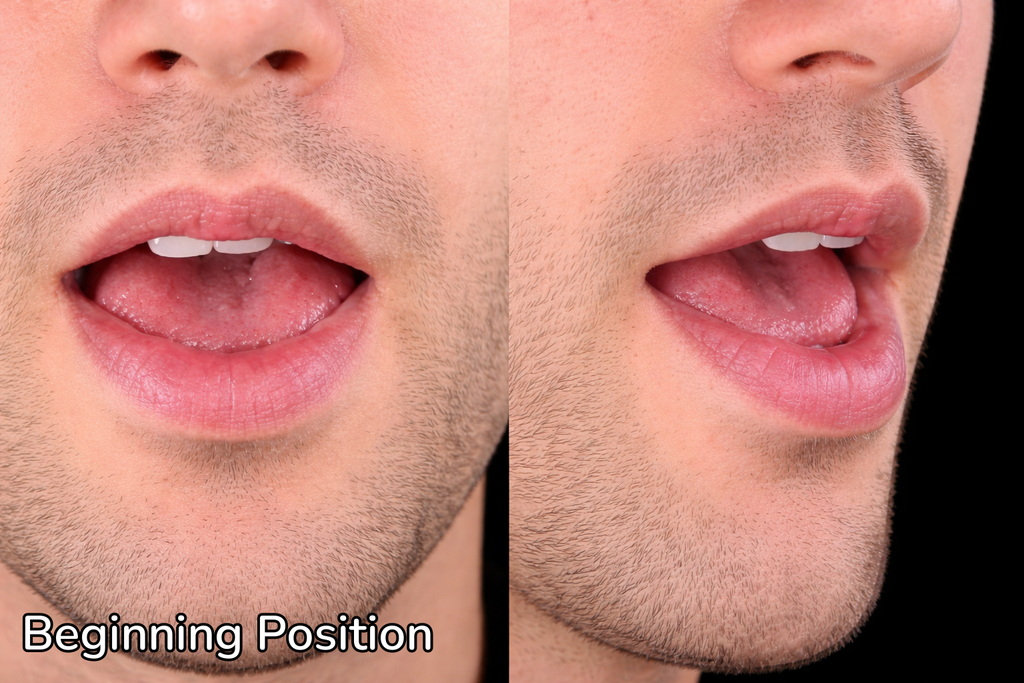
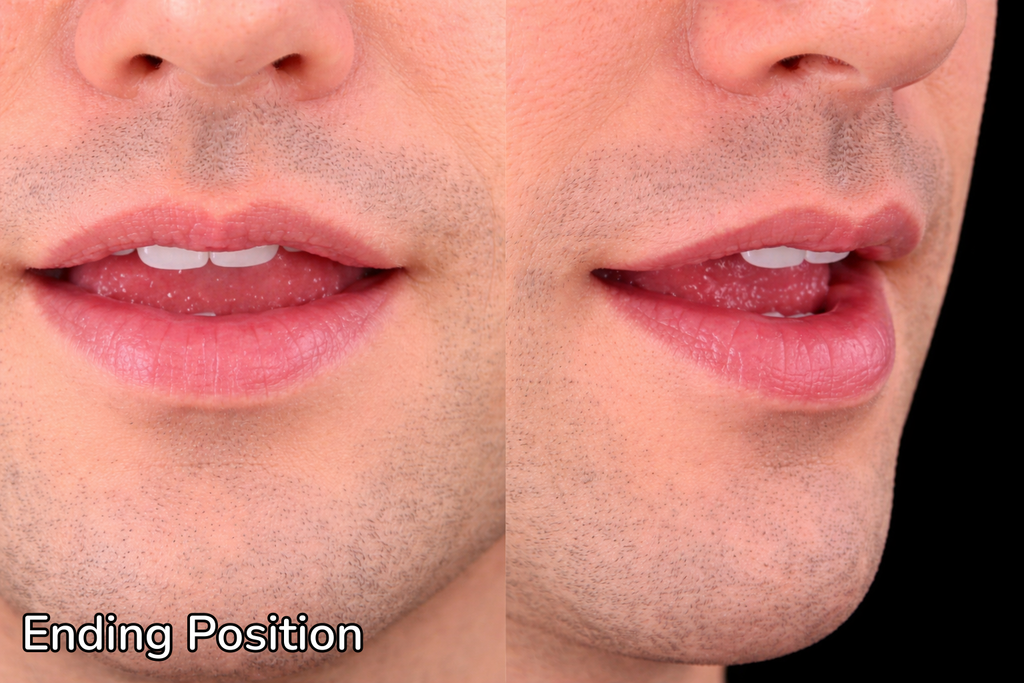
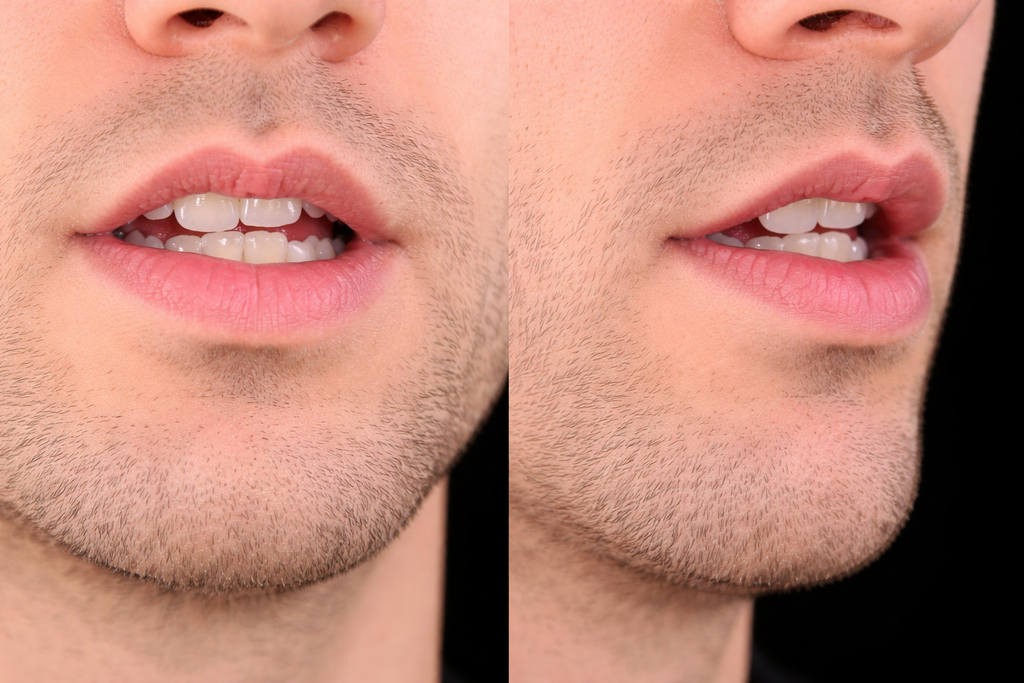
How to pronounce late in American English
LAYT
Start here
Americans pronounce late as LAYT (/leɪt/).
Now you try.
Record yourself saying "late" and play it back. The mic stays on your device — nothing's uploaded.
Why it sounds different
Why "late" sounds like LAYT.
In "late", the "" is not released — the articulators get into position but hold without the burst of air. This is called the Unreleased Stops, the kind of sound shift that makes everyday speech feel effortless. It comes out as LAYT.
In real conversation
Hear "late" in the wild.
Click any sentence to see the full breakdown — every link, every reduction, every flap-T.
"Better never than late, said the waiter."
BEH·der NEH·ver dhuhn LAYT sehd dhuh WAY·der
"Even though it was late, he decided to finish his work."
EE·vuhn dhoh iht wuhz LAYT hee duh·SAHY·duhd tuh FIH·nuhsh hihz WURK
"He apologized for being late and asked for a brief recap."
hee uh·PAH·luh·jahyzd fer BEE·uhng LAYT and ASKT fer uh BREEF REE·kap
"He rushes through his morning because he hates being late."
hee RUH·shuhz throo hihz MOR·nuhng buh·KUHZ hee HAYTS BEE·uhng LAYT
"His reasons for being late were surprising."
hihz REE·zuhnz fer BEE·uhng LAYT wer ser·PRAHY·zuhng
"I stayed up late cramming for the exam the night before."
ahy STAYD UHP LAYT KRA·muhng fer dhee uhg·ZAM dhuh NAHYT buh·FOR
Watch out
Common pronunciation mistakes in American English.
The textbook way isn't wrong — it's just not how anyone actually says it.
01
Releasing the final consonant with a puff of air.
In "late", the "" is not released — the articulators get into position but hold without the burst of air. Air stops but there's no release burst — the articulators hold position.
late→LAYT
Questions
Questions people ask about this.
Is the American pronunciation of "late" different from British English?
American English uses different vowel shapes, a relaxed retroflex R, and connected-speech tricks like flap-T and glottal-stop T that British Received Pronunciation generally avoids. The respell "LAYT" reflects the casual American form; British dictionaries typically print a citation form with crisper consonants and different vowel choices.