How to pronounce came in American English

IPA /keɪm/ Syllables 1 · kaym Stress 1st syllable
KAYM
Start here

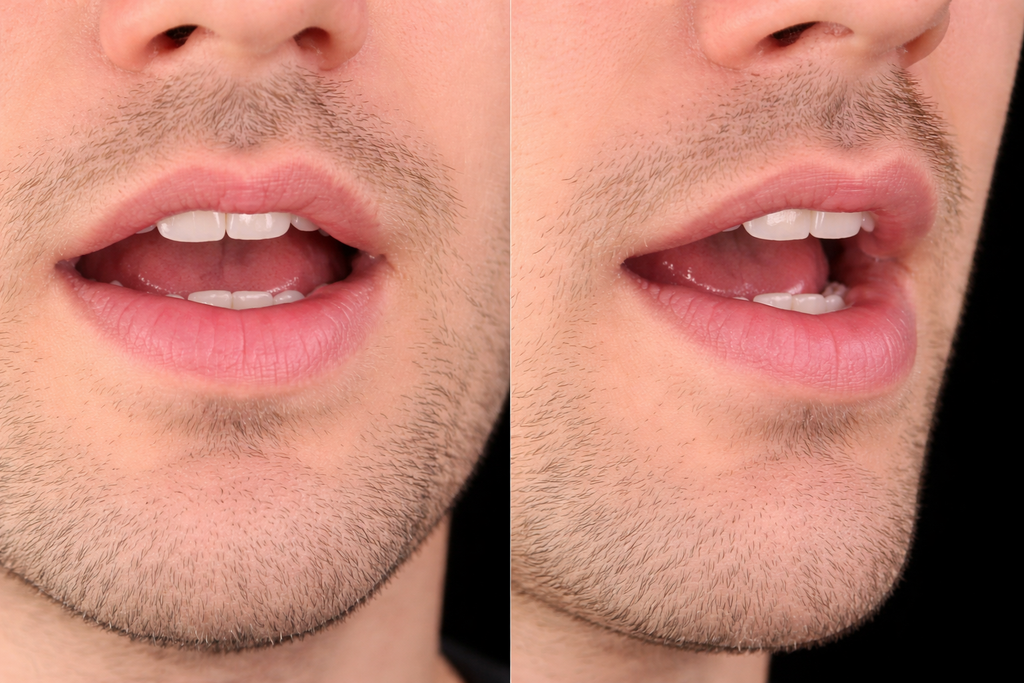
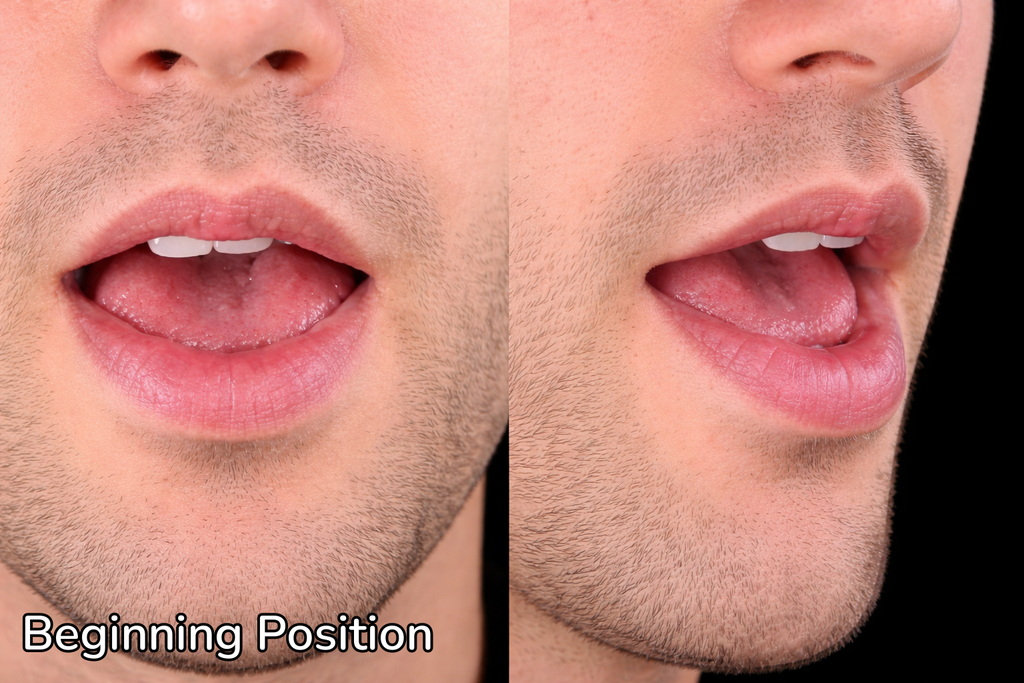
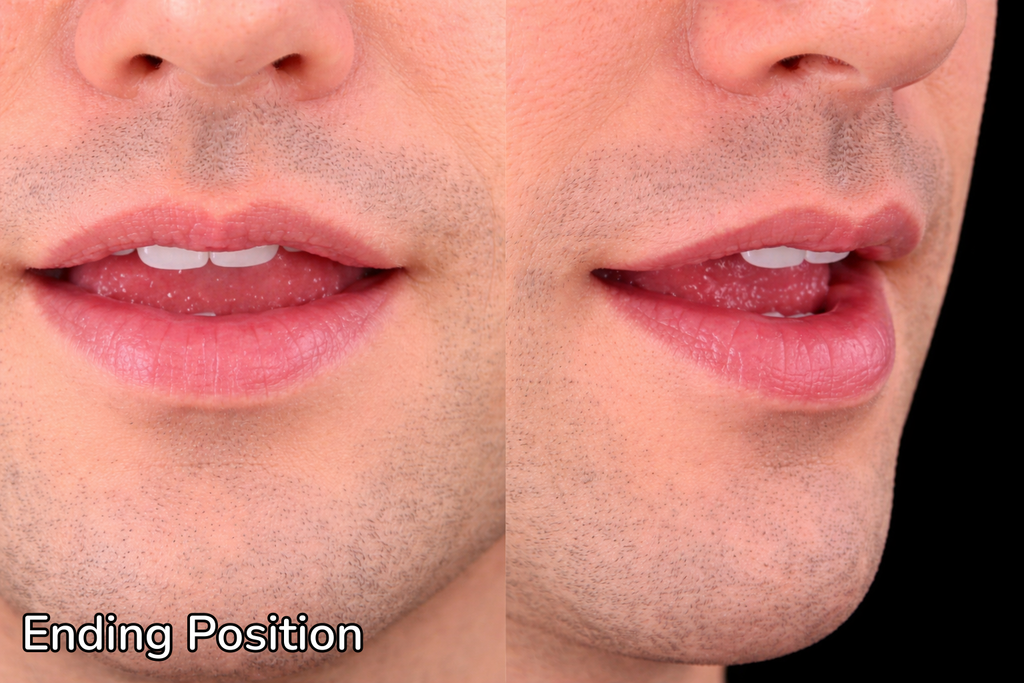
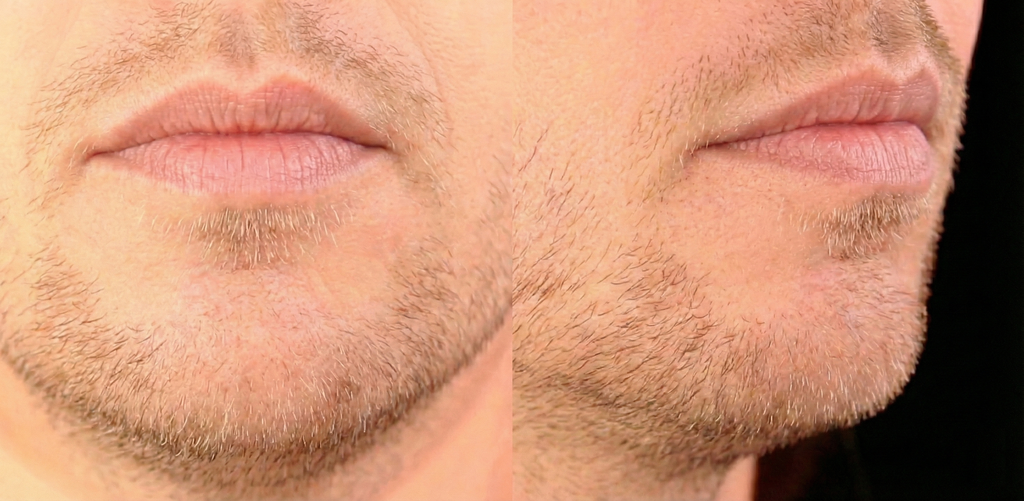
Americans pronounce came as KAYM (/keɪm/).

Now you try.

Record yourself saying "came" and play it back. The mic stays on your device — nothing's uploaded.

Ready when you are
Tap the mic to start
Preview your accent profile

Get your accent profile and 5-axes assessment.

Sounds
75%
Clarity
68%
Stress
78%
Intonation
65%
Fluency
62%

Overall assessment

Our AI coach listens to your recording and grades 5 dimensions of pronunciation — then tells you exactly what to fix next.

72% Noticeable accent
Unlock the full report in the app
Why it sounds different

Why "came" sounds like KAYM.

The "" at the end of "" flows directly into the vowel starting "" — the consonant migrates to the next word with no pause between. This is called the Consonant-to-Vowel Linking, what turns word-by-word reading into actual conversation. It comes out as KAYM.

In real conversation

Hear "came" in the wild.

Click any sentence to see the full breakdown — every link, every reduction, every flap-T.

"He assembled the furniture using the instructions that came in the box."
hee uh·SEHM·buhld dhuh FUR·nuh·cher YOO·zuhng dhee uhn·STRUHK·shuhnz dhuht KAYM uhn dhuh BAHKS
"He lived off campus but came to school for classes daily."
hee LIHVD AHF KAM·puhs buht KAYM tuh SKOOL fer KLA·suhz DAY·lee
"He turned up the volume when his favorite song came on the radio."
hee TURND UHP dhuh VAHL·yoom wehn ihz FAY·ver·uht SAHNG KAYM ahn dhuh RAY·dee·oh
"I forgot to take out the trash before the truck came by."
ahy fer·GAHT tuh TAYK OWT dhuh TRASH buh·FOR dhuh TRUHK KAYM bahy
"Retail sales figures came in stronger than analysts had predicted."
REE·tayl SAYLZ FIH·gyerz KAYM ihn STRAHNG·ger dhuhn A·nuh·luhsts huhd pruh·DIHK·tuhd
"She came back on her bike when he called."
shee KAYM BAK ahn her BAHYK wehn hee KAHLD
Questions

Questions people ask about this.

Is the American pronunciation of "came" different from British English?
American English uses different vowel shapes, a relaxed retroflex R, and connected-speech tricks like flap-T and glottal-stop T that British Received Pronunciation generally avoids. The respell "KAYM" reflects the casual American form; British dictionaries typically print a citation form with crisper consonants and different vowel choices.

Stop reading about "came". Start saying it.

SayWaader is the AI pronunciation coach for American English. Practice 5 minutes a day. Get a 5-axes accent assessment. Sound like you live here.