g/g/
Raise the back of your tongue to touch the soft palate. Add vocal cord vibration, then release.
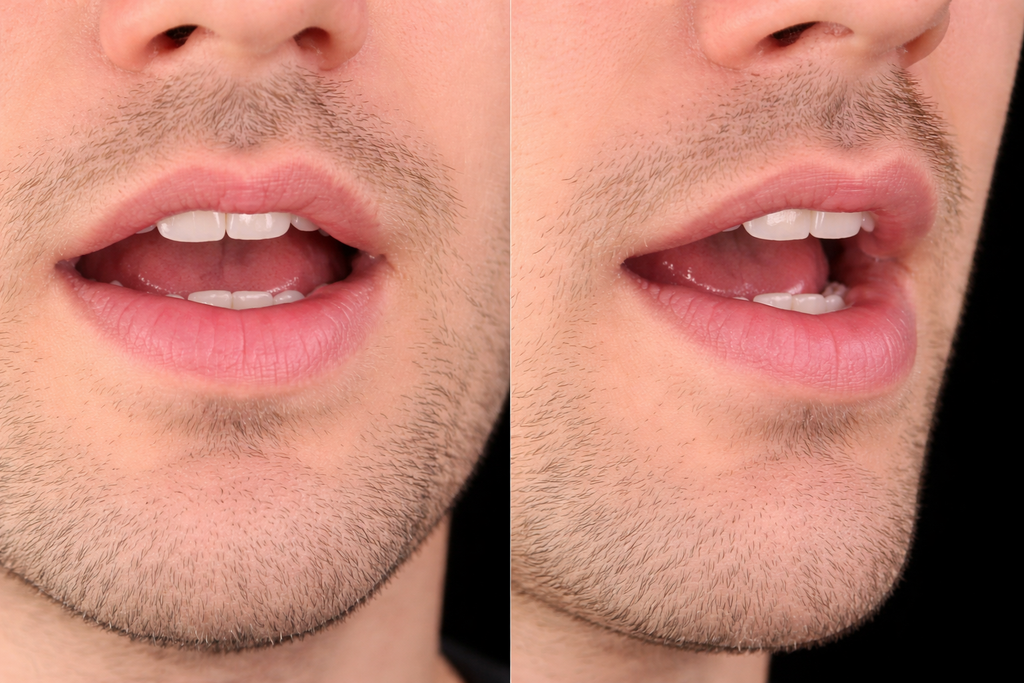
Americans pronounce group as GROOP (/grup/). You'll hear it in sentences like "A vague figure guided the group again" or "The tour group stood in the cool room" — more examples below.
Record yourself saying "group" and play it back. The mic stays on your device — nothing's uploaded.
1 syllable, 4 sounds. Explore each sound's mouth shape and how it's made.
Raise the back of your tongue to touch the soft palate. Add vocal cord vibration, then release.
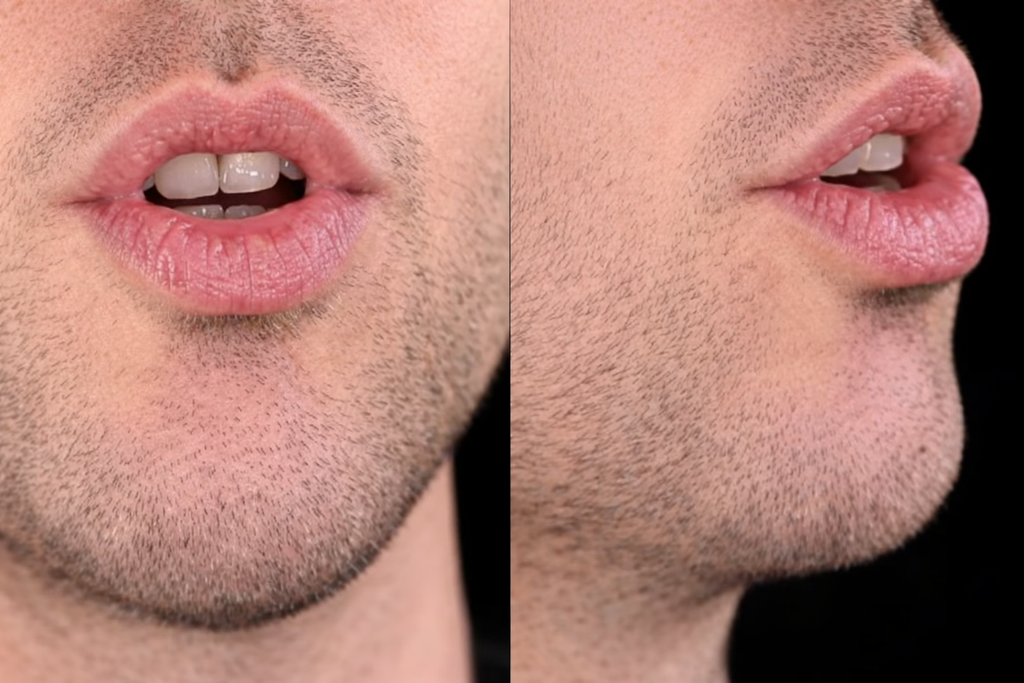
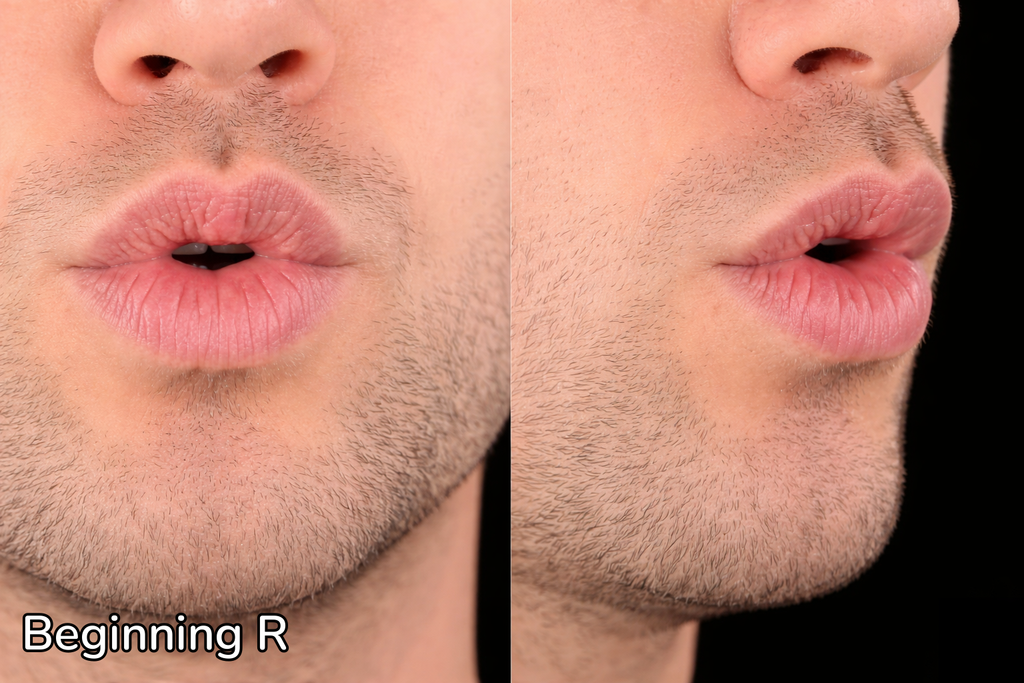
Curl or bunch your tongue without letting the tip touch the roof of your mouth. Brace the sides of your tongue against your upper back teeth, and round your lips slightly.
Round your lips into a tight circle. Let your tongue rest in the middle of your mouth, slightly raised.
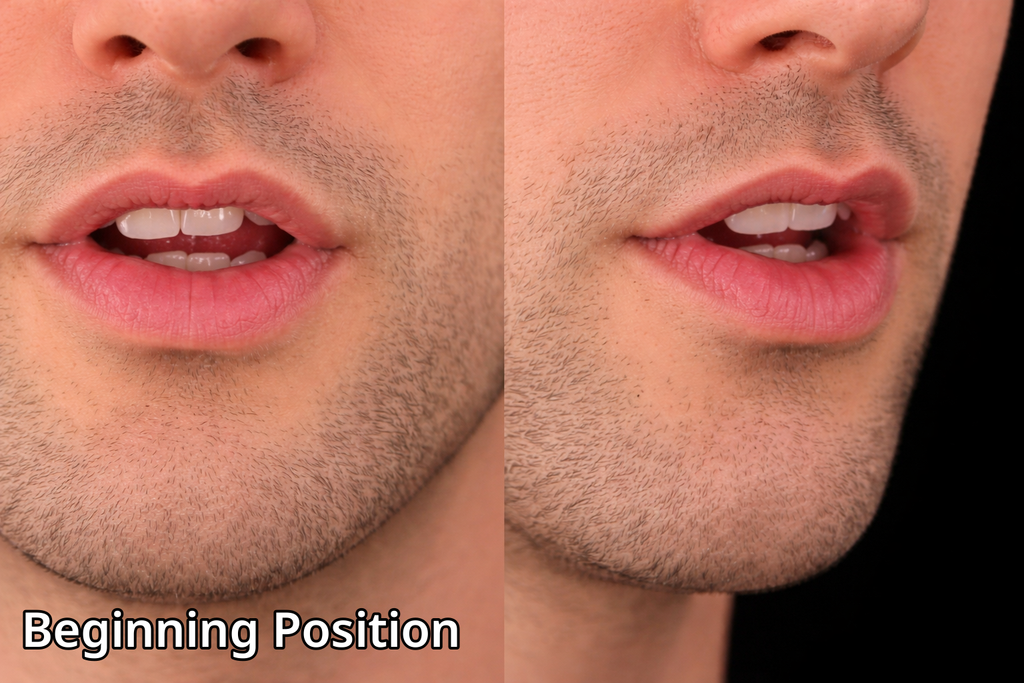
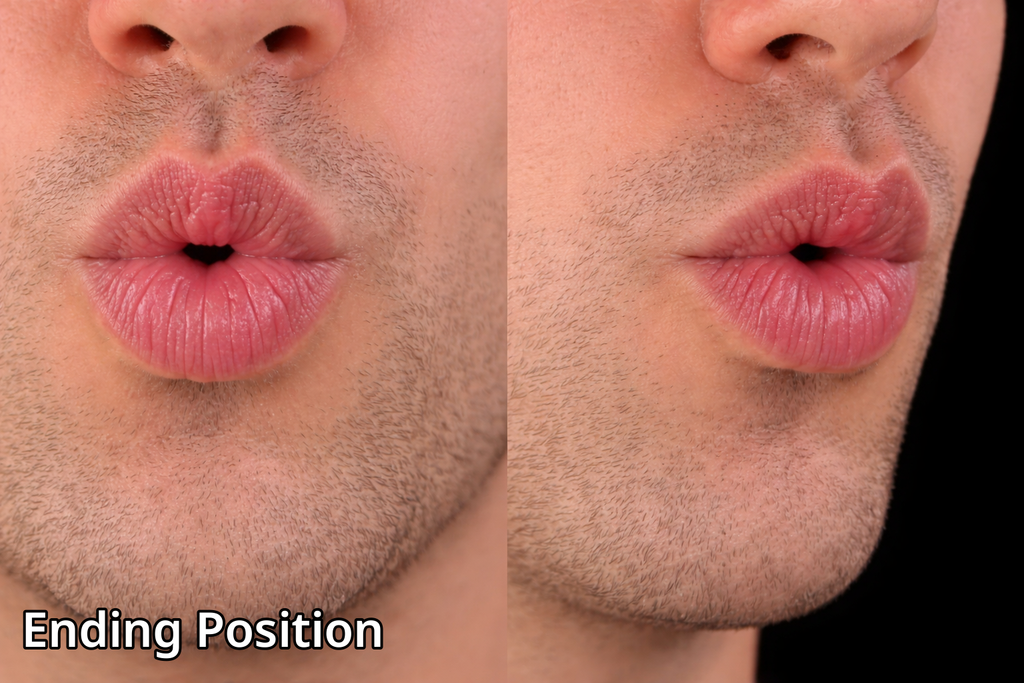
Press your lips together to stop the air, then release. No vocal cord vibration.
Click any sentence to see the full breakdown — every link, every reduction, every flap-T.
The textbook way isn't wrong — it's just not how anyone actually says it.
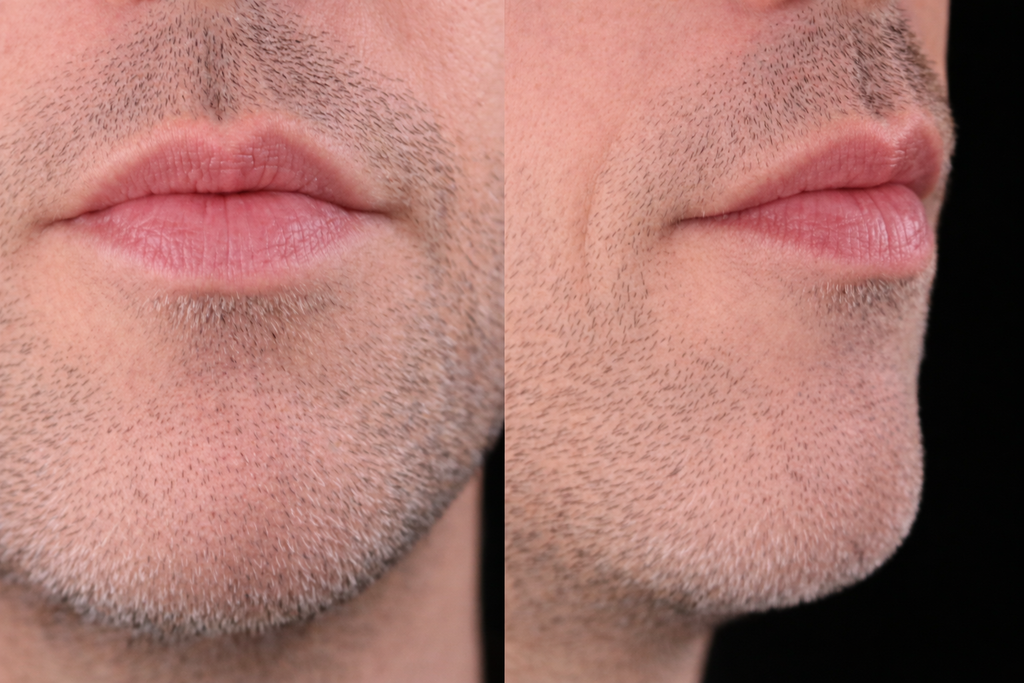
In "group", the "p" is not released — the articulators get into position but hold without the burst of air. Air stops but there's no release burst — the articulators hold position.

SayWaader is the AI pronunciation coach for American English. Practice 5 minutes a day. Get a 5-axes accent assessment. Sound like you live here.