How to pronounce The MOON Vowel /u/ in American English
One of the most common vowels in American English. Hear it in do, blue, move, who.
The /u/ vowel, the moon sound, is the tightest, most rounded vowel in American English, heard in do, food, blue, and moon. Unlike the static /u/ in Spanish or Italian, the American version is actually a movement. Don't start with your lips already puckered; begin with them slightly relaxed and pull them into a tight circle while the tongue rests in the center of your mouth. That sliding motion is what keeps it from sounding stiff.
Three small adjustments.
Get them right and the sound takes care of itself.
Round your lips into a tight circle. Let your tongue rest in the middle of your mouth, slightly raised.
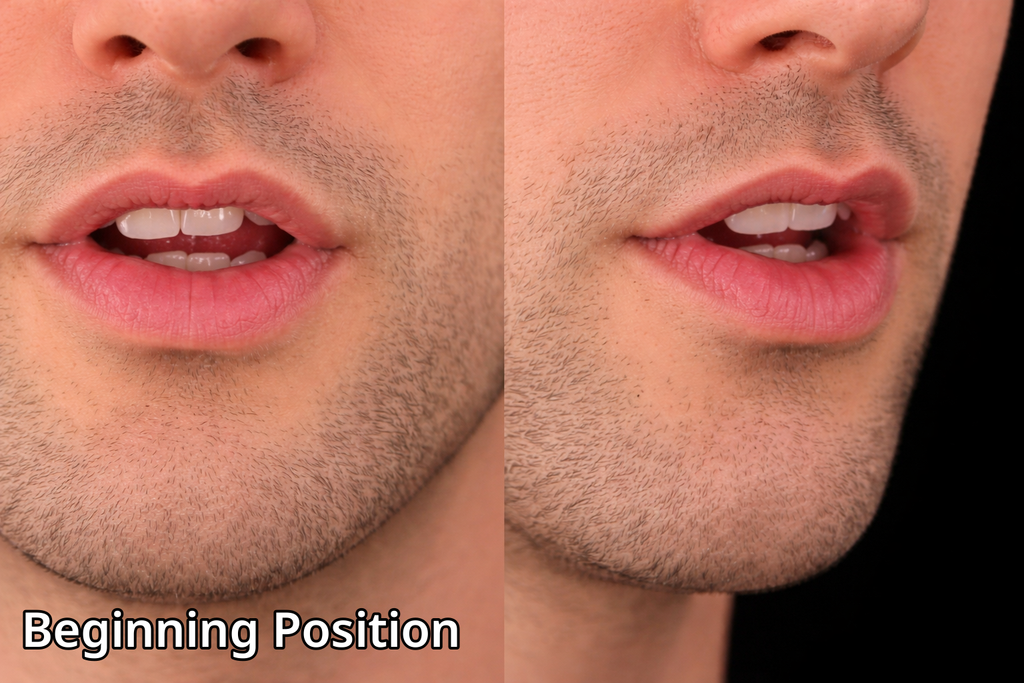
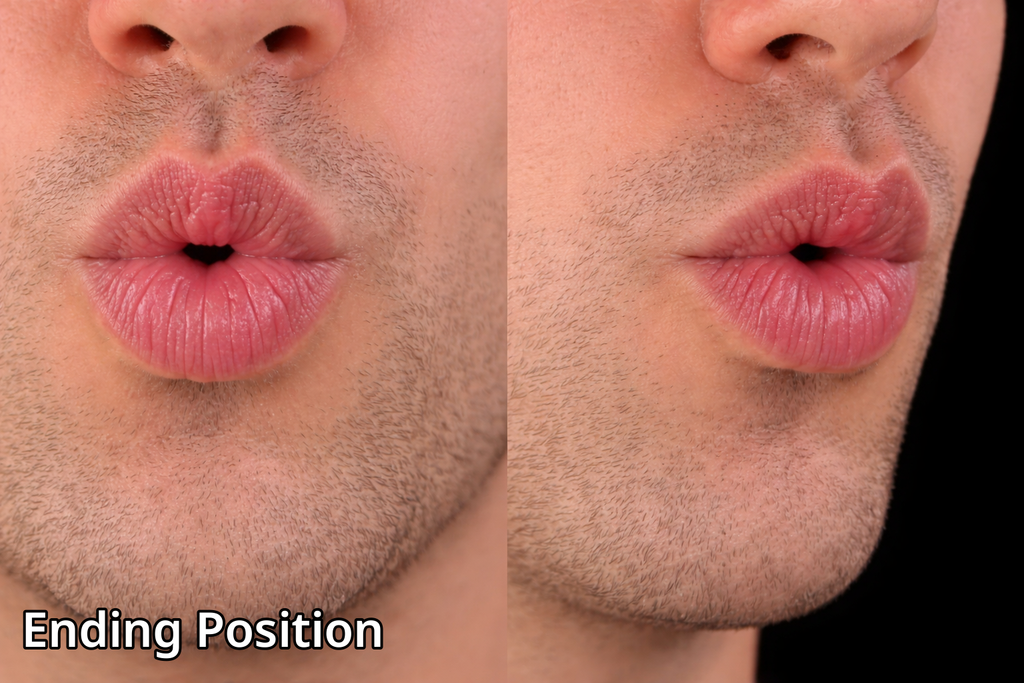
Mouth shape
/u/ as in do
Jaw
Drops a little.
Tongue
The tongue stays relatively relaxed and central. Unlike a lot of languages, you don't need to drag it back into the throat; keeping it central is what gives the American /u/ its loose, casual quality. (Before /l/, as in <em>pool</em>, the tongue does retract further back.)
Lips
Start relaxed, then round into a tight circle as the corners of the lips pull in. The motion matters as much as the final position.
A few things to remember.
The motion into the lip position matters as much as the position itself. Start with relaxed lips and pull them into the tight circle as you say the vowel.
Don't start with your lips already in a tight circle. That changes the sound quality.
Try thinking of the motion as 'uh-oo'. Start with a neutral, relaxed 'uh' and glide into the tight 'oo'.
Compare with similar sounds.
If your sound is sliding into a neighbor, here's how to tell them apart.
16 everyday words.
Tap any word for its full breakdown — every reduction, every flap-T.
In real conversation.
5 short sentences where this sound shows up. Tap to play; click the title for the full breakdown.
Common questions about /u/.
What's the secret to making the American /u/ vowel sound natural?
Why do I mix up words like "pool" and "pull"?
Why does the /u/ vowel sound like "you" in some words but not others?

Practice /u/ with an AI coach.
SayWaader is the AI pronunciation coach for American English. Practice 5 minutes a day. Get a 5-axes accent assessment. Sound like you live here.