s/s/
Place your tongue tip near the roof of your mouth behind your top teeth. Push air through the narrow gap. No voicing.
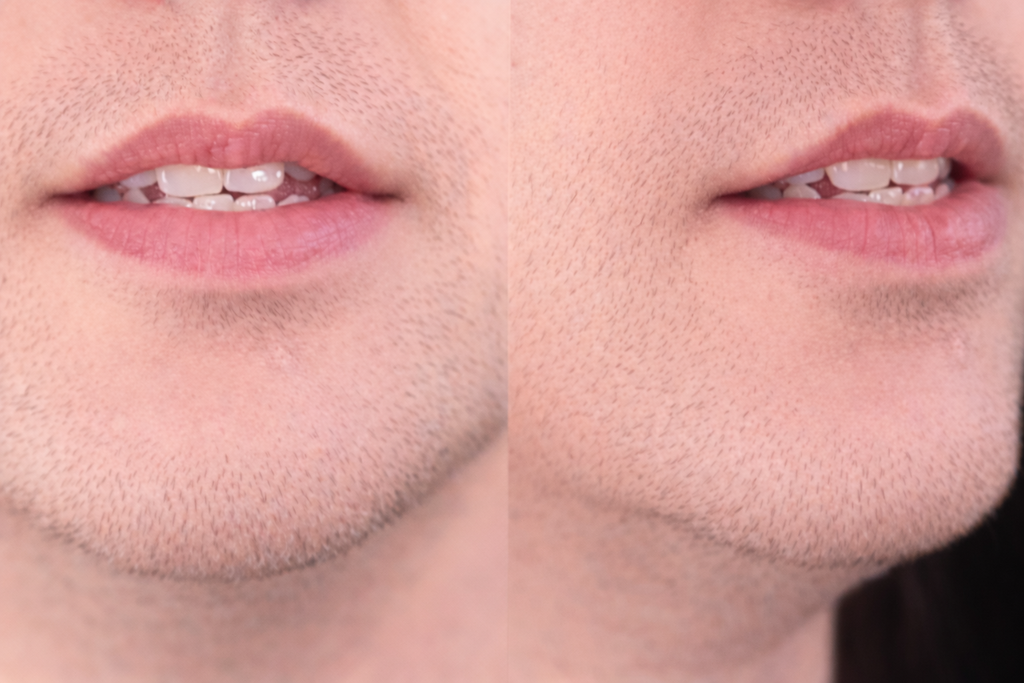
Americans pronounce soon as SOON (/sun/). You'll hear it in sentences like "We'll need to stop playing soon" or "We should choose a new room soon" — more examples below.
Record yourself saying "soon" and play it back. The mic stays on your device — nothing's uploaded.
1 syllable, 3 sounds. Explore each sound's mouth shape and how it's made.
Place your tongue tip near the roof of your mouth behind your top teeth. Push air through the narrow gap. No voicing.
Round your lips into a tight circle. Let your tongue rest in the middle of your mouth, slightly raised.
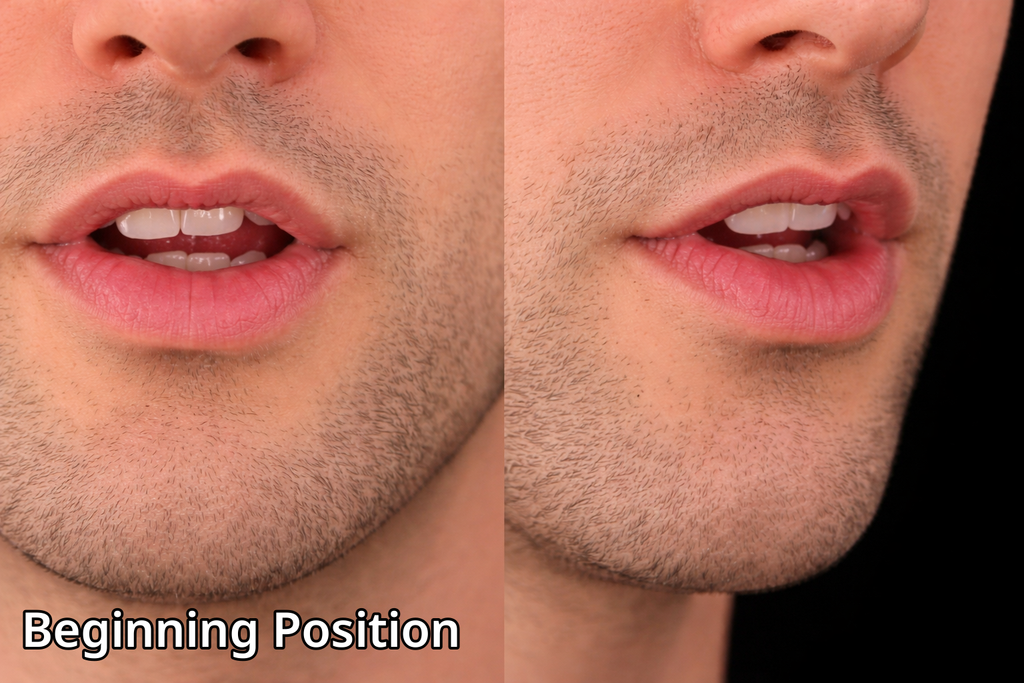
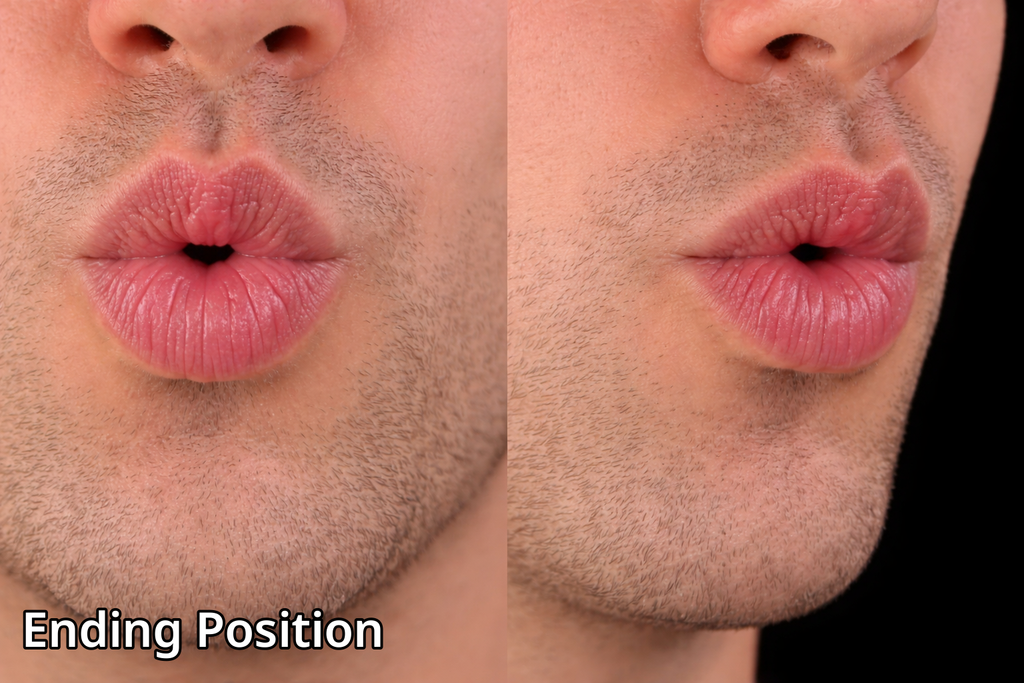
Touch the tip or front edge of your tongue to the roof of your mouth behind your teeth. Air flows through your nose.
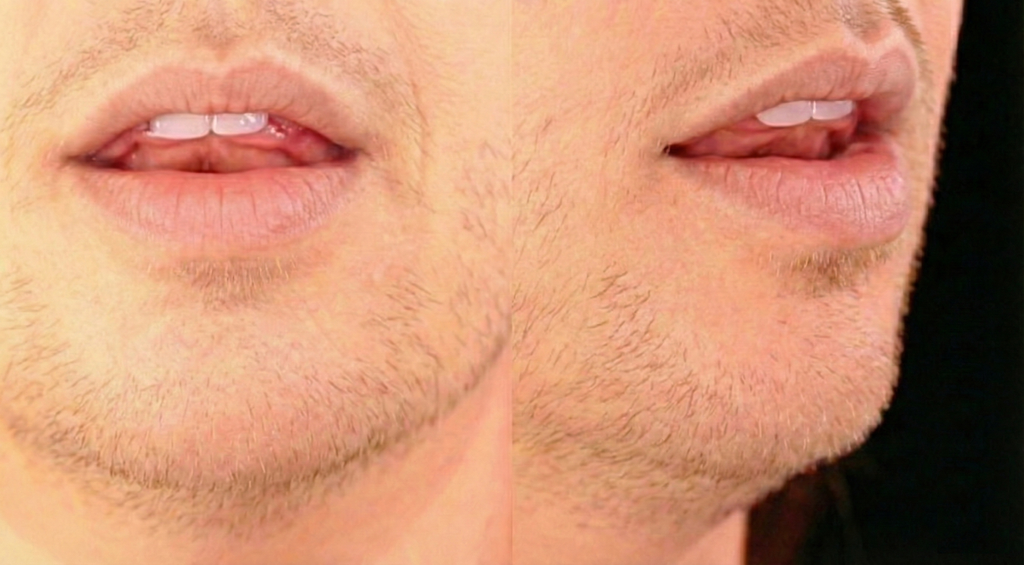
Click any sentence to see the full breakdown — every link, every reduction, every flap-T.

SayWaader is the AI pronunciation coach for American English. Practice 5 minutes a day. Get a 5-axes accent assessment. Sound like you live here.