The vowels in pool /u/ and pull /ʊ/ are both made in the back of the mouth, but their lip shape and tension are completely different. /u/ is tight and long; you push your lips forward into a tiny, tight circle, like you're blowing out a candle. /ʊ/ is short and relaxed; the lips flare out slightly but stay loose, and the tongue drops a notch lower. Many speakers use the tight /u/ for both, which accidentally turns pull into pool and look into Luke.
How the two sounds differ.
3 small mouth adjustments. Get any one of them wrong and the sound slides into its neighbor.
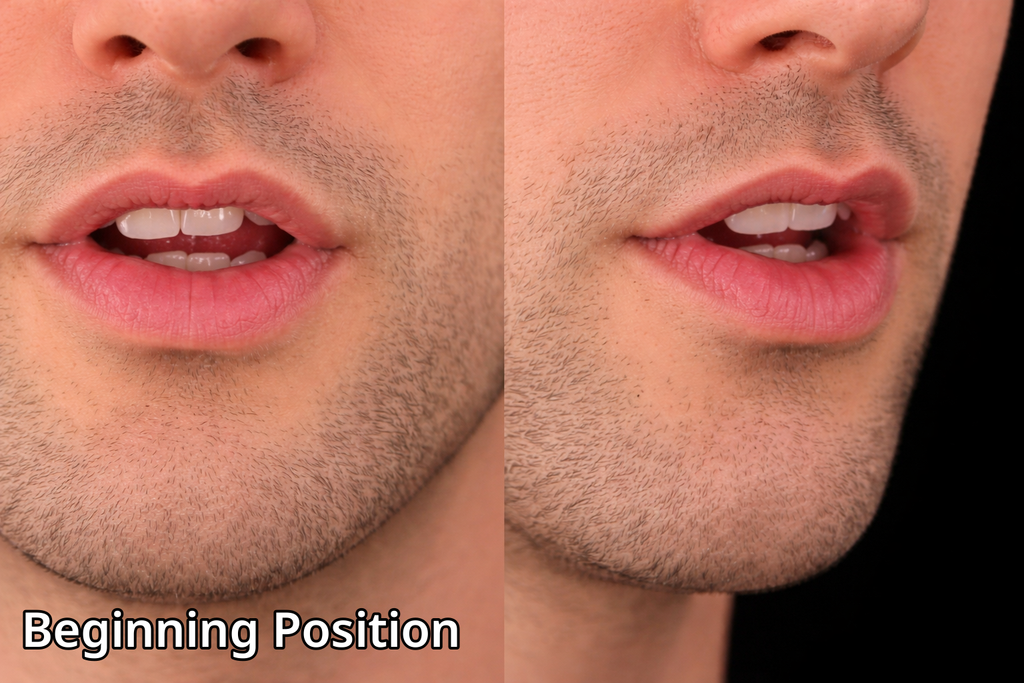
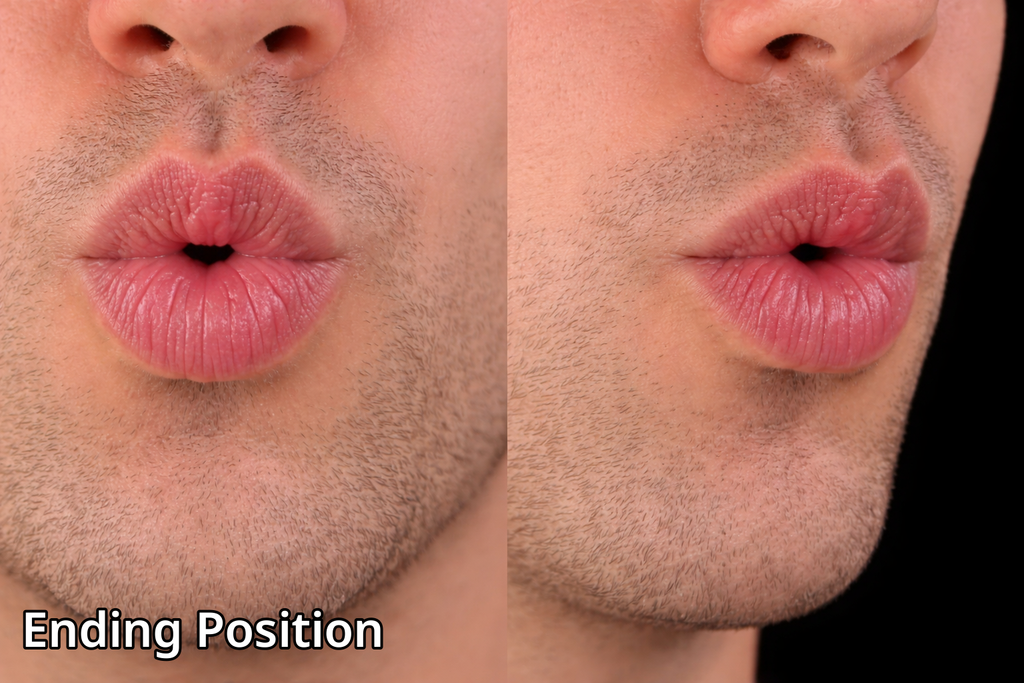
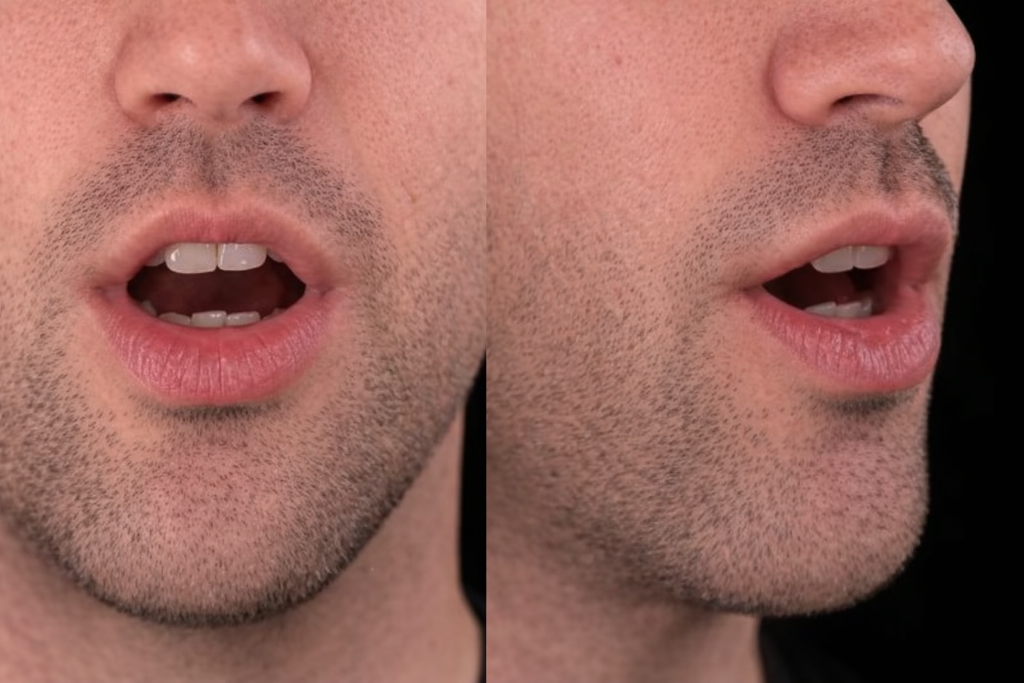
Now you try.
Record yourself saying "Pool" and "Pull" a few times. Listen back — your own ear is the best feedback for nailing the contrast.
Words that change with one sound.
Every pair below differs by exactly one sound: flip /u/ to /ʊ/ and the meaning flips with it. Tap any word for its full breakdown.
If your ear blurs them, here's why.
Many languages, like Spanish, French, and Italian, only have one vowel in the high-back area of the mouth, and it's usually very close to the tight, tense American /u/. When speakers of these languages learn English, their brains map the unfamiliar, relaxed /ʊ/ directly onto the tight /u/ they already know. This collapses pairs like pool and pull, cooed and could, or Luke and look. Spelling makes it harder still. The 'oo' letter combo is famously unpredictable: tight /u/ in food, relaxed /ʊ/ in good. Don't just try to make /ʊ/ shorter. You have to relax your lips and let the vowel feel a bit lazy.
Train the muscle, then the ear.
4 short drills. Do them out loud: feel the change inside your mouth before you try to hear it.
Look in a mirror. When you say food or moon, your lips should push forward like you're blowing a kiss. When you say good or book, your lips should stay much closer to your face.
Say pool and freeze your lips. They should be in a tight circle. Now relax your lips so they just slightly flare out, drop your jaw a tiny bit, and say pull. The tension should drop away.
Use minimal pair sentences to test your lip tension: Luke took a look at the pool. Make sure your lips physically change shape between the tight /u/ in Luke/pool and the relaxed /ʊ/ in took/look.
Record yourself saying shooed and should. If they sound identical, your /ʊ/ is too tense. Deliberately make your should sound lazier and less rounded until you hear a clear difference.
Common questions about Pool vs Pull.
Why do "pool" and "pull" sound exactly the same when I say them?
How do I know if "oo" is pronounced like "moon" or "book"?
Is the "book" vowel just a faster version of the "moon" vowel?

Master Pool vs Pull with an AI coach.
SayWaader is the AI pronunciation coach for American English. Practice 5 minutes a day. Get a 5-axes accent assessment. Sound like you live here.