How to pronounce The BOOK Vowel /ʊ/ in American English
One of the most common vowels in American English. Hear it in book, good, put, look.
The /ʊ/ vowel, the book sound, is the short, relaxed back vowel American English uses for words like good, put, look, could. Unlike the tight, rounded /u/ in food, this sound calls for relaxed lips, a slight jaw drop, and a slight outward lip flare. The body of the tongue lifts toward the back of the roof of your mouth, but stays relaxed. Getting this right matters because tightening the lips is what makes pull sound exactly like pool.
Three small adjustments.
Get them right and the sound takes care of itself.
Bring the corners of your lips in slightly so they push forward, but keep them relaxed. Lift the back of your tongue toward the roof of the mouth.
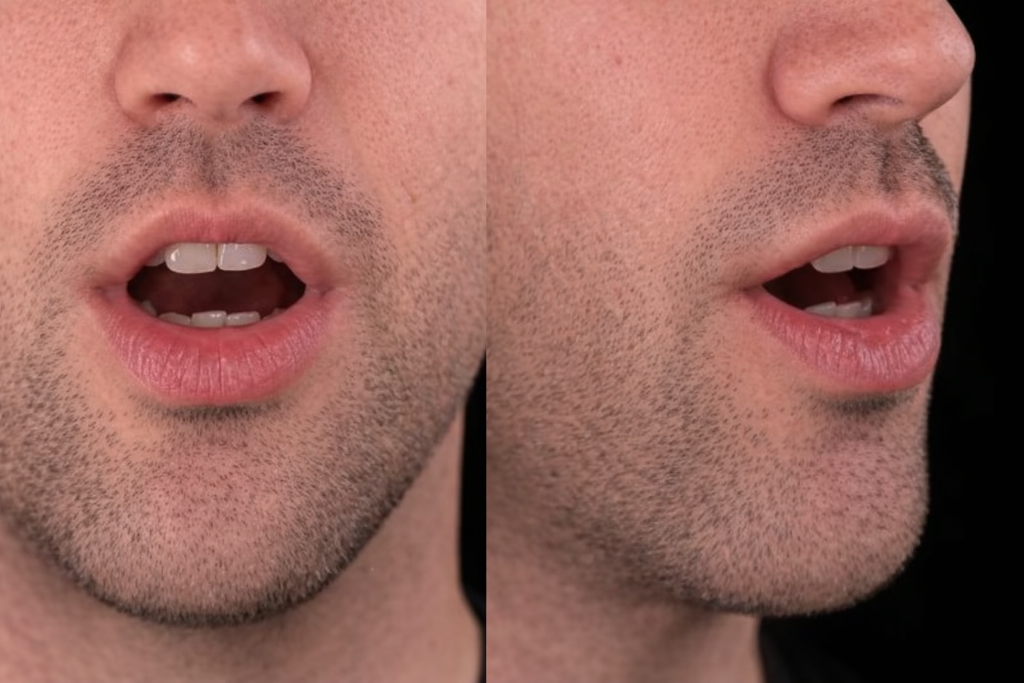
Mouth shape
/ʊ/ as in book
Jaw
Slight drop.
Tongue
The back lifts towards the back of the roof of the mouth. The front remains down but may be pulled slightly back, so it's not quite touching the bottom front teeth.
Lips
Corners come in slightly so the lips push forward, but stay relaxed.
One thing to remember.
Check your lips in the mirror. If they are puckered like you're blowing out a candle, you've gone too far. They should stay relaxed, just slightly pinched at the corners.
Compare with similar sounds.
If your sound is sliding into a neighbor, here's how to tell them apart.
16 everyday words.
Tap any word for its full breakdown — every reduction, every flap-T.
In real conversation.
5 short sentences where this sound shows up. Tap to play; click the title for the full breakdown.
Common questions about /ʊ/.
What's the easiest way to make the /ʊ/ vowel in American English?
Why do I mix up words like "pull" and "pool" or "look" and "Luke"?
Why does the "OO" spelling make different sounds in "book" and "food"?

Practice /ʊ/ with an AI coach.
SayWaader is the AI pronunciation coach for American English. Practice 5 minutes a day. Get a 5-axes accent assessment. Sound like you live here.