How to pronounce i in American English
ahy
Start here
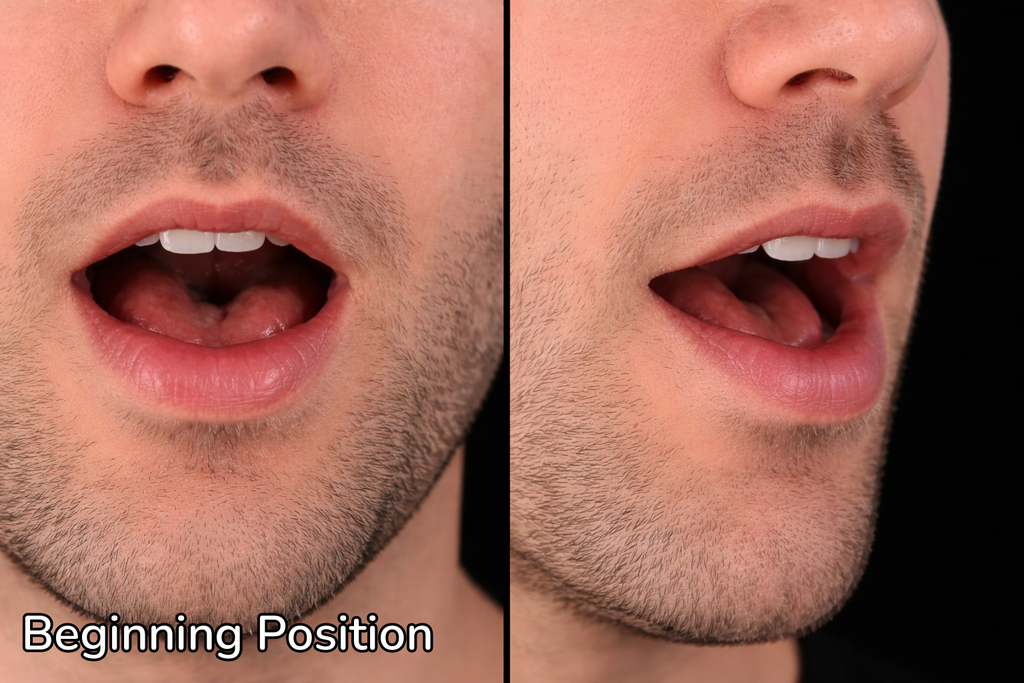
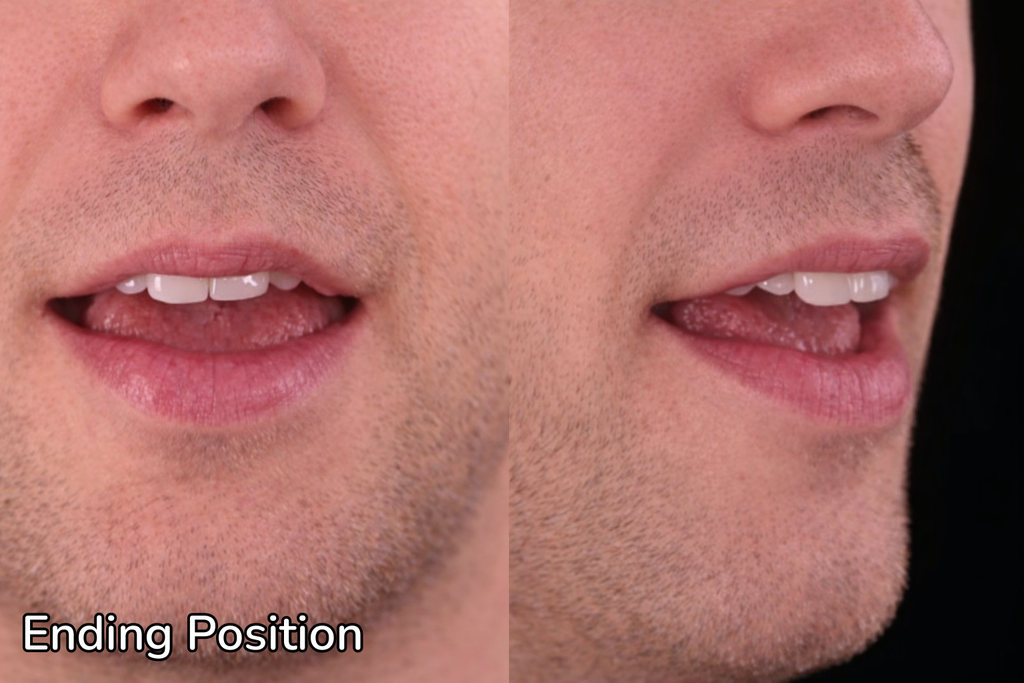
Americans pronounce i as ahy (/aɪ/).
Now you try.
Record yourself saying "i" and play it back. The mic stays on your device — nothing's uploaded.
Why it sounds different
Why "i" sounds like ahy.
Between "" and "", a brief "" glide bridges the two vowels for smooth flow. This is called the Vowel-to-Vowel Linking, a tiny act of laziness that makes the rhythm feel right. It comes out as ahy.
In real conversation
Hear "i" in the wild.
Click any sentence to see the full breakdown — every link, every reduction, every flap-T.

"Admittedly, I was initially skeptical, but now I am completely convinced."
uhd·MIH·duhd·lee ahy wuhz ih·NIH·shuh·lee SKEHP·tuh·kuhl buht NOW ahy uhm kuhm·PLEET·lee kuhn·VIHNST
"As far as I know, the meeting is still scheduled for ten."
uhz FAR uhz ahy NOH dhuh MEE·duhng ihz STIHL SKEH·joold fer TEHN
"As per our discussion, I have attached the revised proposal."
az per ar duh·SKUH·shuhn ahy hav uh·TACHT dhuh ruh·VAHYZD pruh·POH·zuhl
"Before we conclude, I would like to address any questions you may have."
buh·FOR wee kuhn·KLOOD ahy wuud LAHYK tuh uh·DREHS EH·nee KWEHS·chuhnz yoo MAY hav
"Can I ask a question about this?"
kuhn ahy ASK uh KWEHS·chuhn uh·BOWT DHIHS
"Can I get a large water, please?"
kuhn ahy GEHT uh LARJ WAH·der PLEEZ
Questions
Questions people ask about this.
Is the American pronunciation of "i" different from British English?
American English uses different vowel shapes, a relaxed retroflex R, and connected-speech tricks like flap-T and glottal-stop T that British Received Pronunciation generally avoids. The respell "ahy" reflects the casual American form; British dictionaries typically print a citation form with crisper consonants and different vowel choices.