How to pronounce lives in American English
LIHVZ
Start here
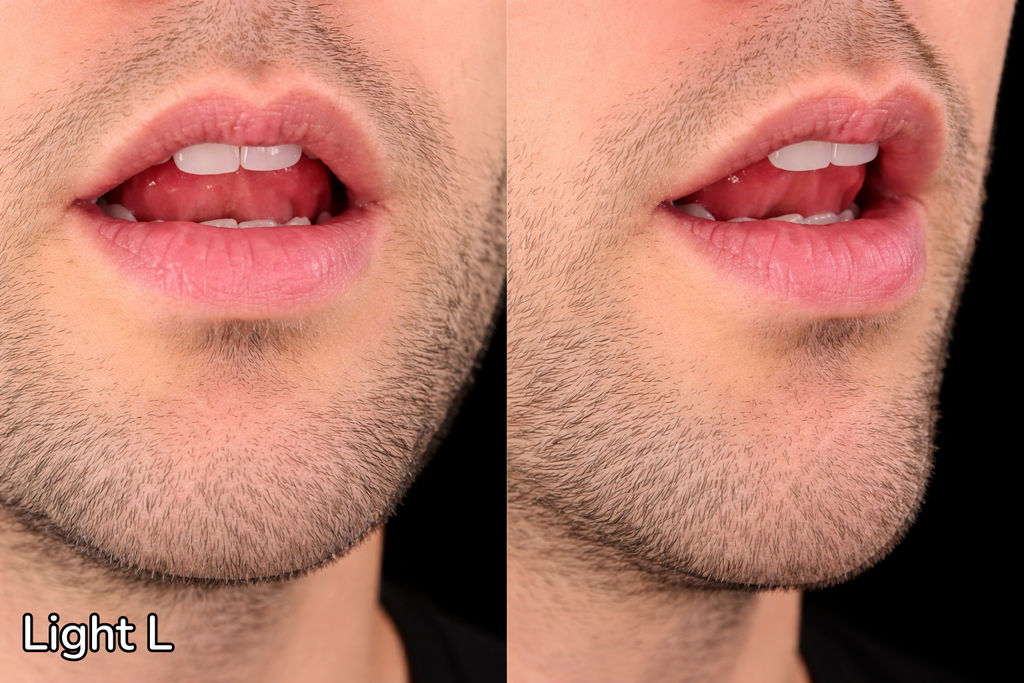
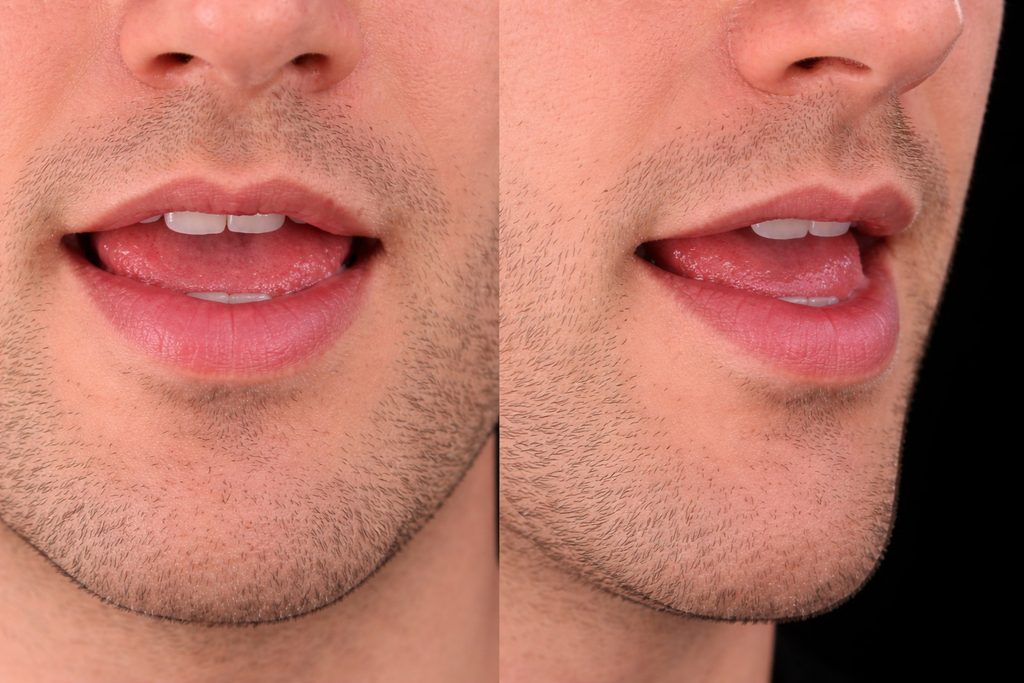
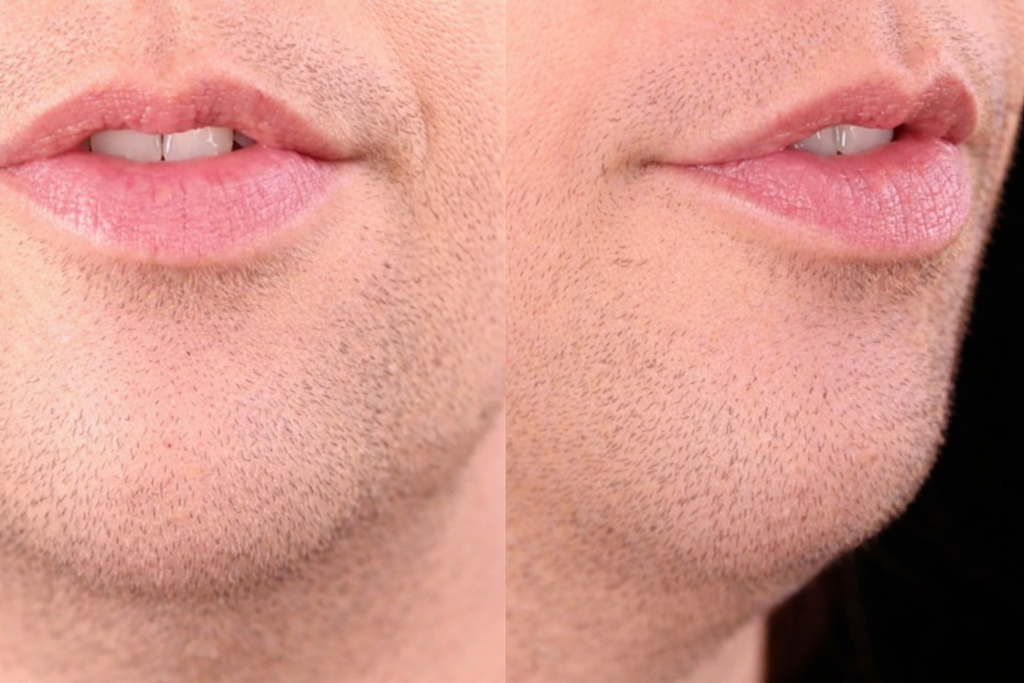
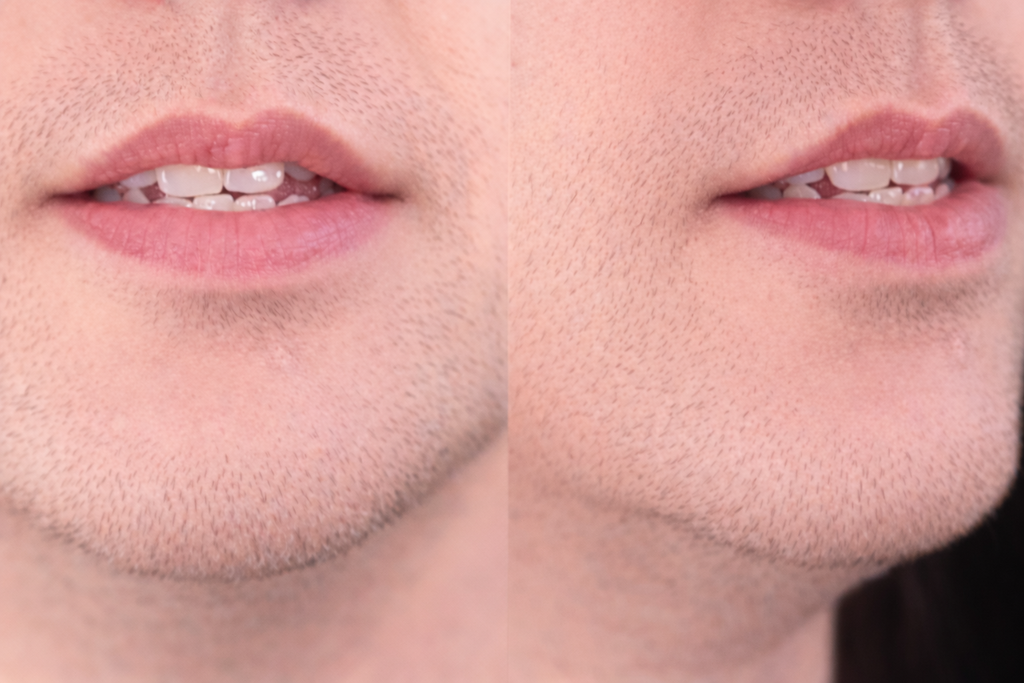
Americans pronounce lives as LIHVZ (/lɪvz/).
Now you try.
Record yourself saying "lives" and play it back. The mic stays on your device — nothing's uploaded.
Why it sounds different
Why "lives" sounds like LIHVZ.
The "" at the end of "" flows directly into the vowel starting "" — the consonant migrates to the next word with no pause between. This is called the Consonant-to-Vowel Linking, the way sentences stop sounding like a list and start sounding like speech. It comes out as LIHVZ.
In real conversation
Hear "lives" in the wild.
Click any sentence to see the full breakdown — every link, every reduction, every flap-T.
"Five lives were saved by the brave dive."
FAHYV LAHYVZ wer SAYVD bahy dhuh BRAYV DAHYV
"He lives in a small apartment downtown."
hee LIHVZ ihn uh SMAHL uh·PART·muhnt down·TOWN
"He lives in a small village in the countryside."
hee LIHVZ ihn uh SMAHL VIH·luhj ihn dhuh KUHN·tree·sahyd
"He lives on a quiet, private street."
hee LIHVZ ahn uh KWAHY·uht PRAHY·vuht STREET
"Modern technology has changed our daily lives."
MAH·dern tehk·NAH·luh·jee huhz CHAYNJD ar DAY·lee LAHYVZ
"The royal family lives in a large castle."
dhuh ROY·uhl FAM·lee LIHVZ ihn uh LARJ KA·suhl
Questions
Questions people ask about this.
Is the American pronunciation of "lives" different from British English?
American English uses different vowel shapes, a relaxed retroflex R, and connected-speech tricks like flap-T and glottal-stop T that British Received Pronunciation generally avoids. The respell "LIHVZ" reflects the casual American form; British dictionaries typically print a citation form with crisper consonants and different vowel choices.