How to pronounce loss in American English
LAHS
Start here
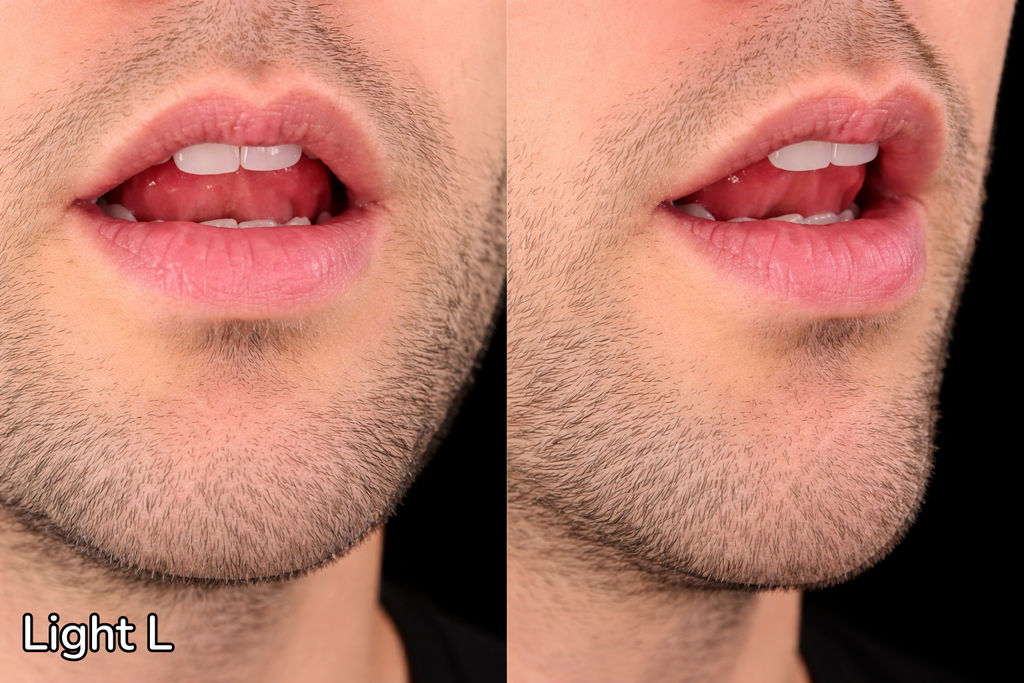
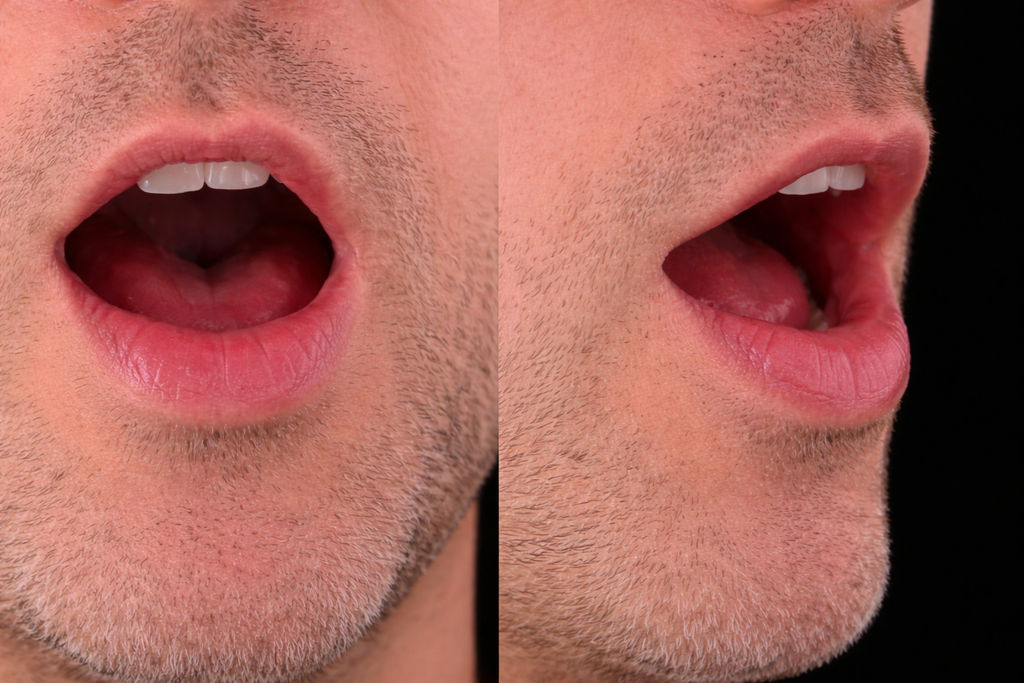
Americans pronounce loss as LAHS (/lɑs/).
Now you try.
Record yourself saying "loss" and play it back. The mic stays on your device — nothing's uploaded.
In real conversation
Hear "loss" in the wild.
Click any sentence to see the full breakdown — every link, every reduction, every flap-T.
"Deforestation creates habitat loss for potential thousands of species."
dee·for·uh·STAY·shuhn kree·AYTS HA·buh·tat LAHS fer puh·TEHN·shuhl THOW·zuhndz uhv SPEE·sheez
"Scientists warn that biodiversity loss poses existential threats."
SAHY·uhn·tuhsts WORN dhuht bahy·oh·duh·VUR·suh·tee LAHS POH·zuhz ehg·zuh·STEHN·shuhl THREHTS
"The negligent action resulted in significant financial loss."
dhuh NEH·gluh·juhnt A·shuhn ruh·ZUHL·tuhd ihn suhg·NIH·fuh·kuhnt fuh·NAN·shuhl LAHS
"The novel explores themes of love, loss, and redemption."
dhuh NAH·vuhl uhk·SPLORZ THEEMZ uhv LUHV LAHS and rih·DEHMP·shuhn
"The team spirit remained high despite the tough loss."
dhuh TEEM SPIH·ruht ruh·MAYND HAHY duh·SPAHYT dhuh TUHF LAHS
Questions
Questions people ask about this.
Is the American pronunciation of "loss" different from British English?
American English uses different vowel shapes, a relaxed retroflex R, and connected-speech tricks like flap-T and glottal-stop T that British Received Pronunciation generally avoids. The respell "LAHS" reflects the casual American form; British dictionaries typically print a citation form with crisper consonants and different vowel choices.