How to pronounce lost in American English
LAHST
Start here
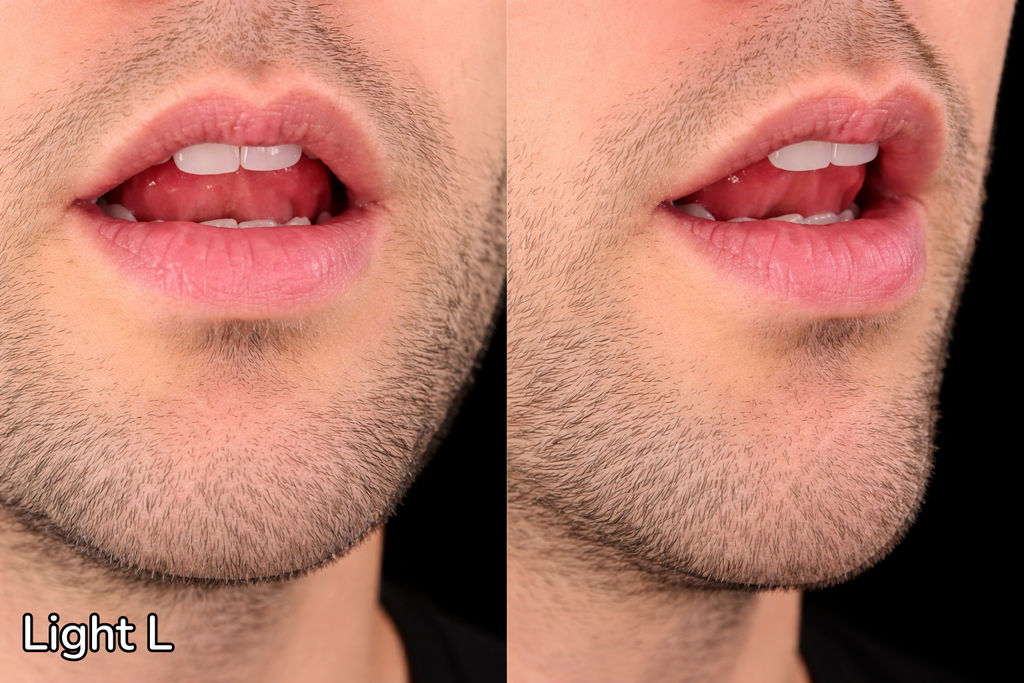
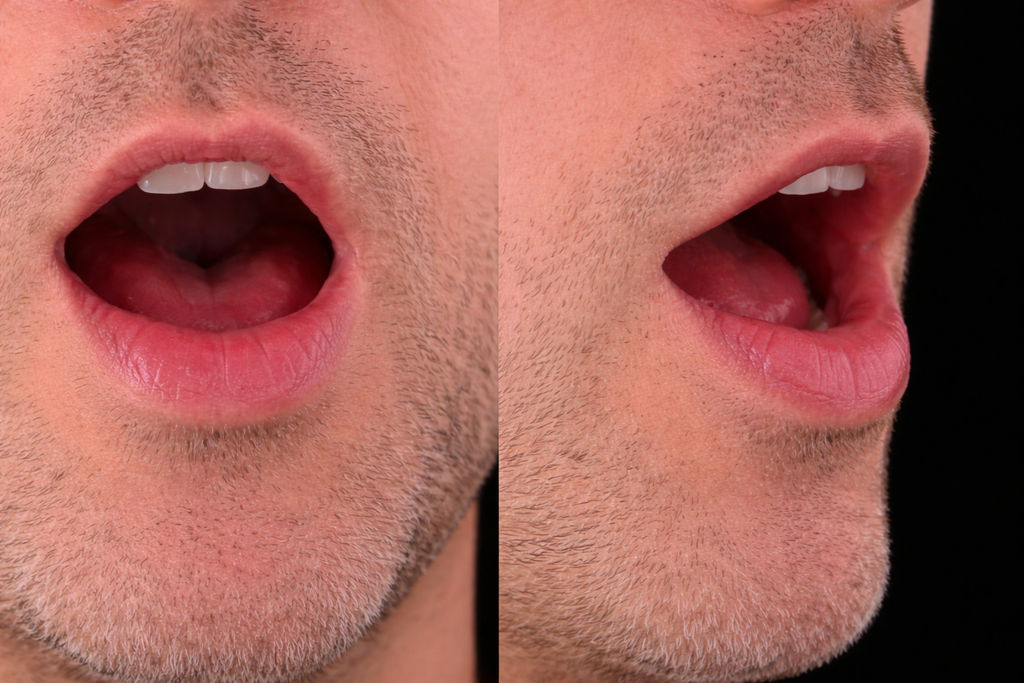
Americans pronounce lost as LAHST (/lɑst/).
Now you try.
Record yourself saying "lost" and play it back. The mic stays on your device — nothing's uploaded.
Why it sounds different
Why "lost" sounds like LAHST.
The "" at the end of "" flows directly into the vowel starting "" — the consonant migrates to the next word with no pause between. This is called the Consonant-to-Vowel Linking, how Americans glue words together so they sound like one phrase. It comes out as LAHST.
In real conversation
Hear "lost" in the wild.
Click any sentence to see the full breakdown — every link, every reduction, every flap-T.
"Bring a cup of water to the cop who lost his cap."
BRIHNG uh KUHP uhv WAH·der tuh dhuh KAHP hoo LAHST hihz KAP
"He lost points for not showing his work on the math problems."
hee LAHST POYNTS fer NAHT SHOH·uhng hihz WURK ahn dhuh MATH PRAH·bluhmz
"I lost my wallet at the concert last fall."
ahy LAHST mahy WAH·luht uht dhuh KAHN·sert last FAHL
"The boss lost the cost of the lost cloth."
dhuh BAHS LAHST dhuh kahst uhv dhuh LAHST KLAHTH
"They lost the game but showed great sportsmanship."
dhay LAHST dhuh GAYM buht SHOHD GRAYT SPORTS·muhn·shihp
"She got lost walking through the long hall."
shee GAHT LAHST WAH·kuhng throo dhuh lahng HAHL
Questions
Questions people ask about this.
Is the American pronunciation of "lost" different from British English?
American English uses different vowel shapes, a relaxed retroflex R, and connected-speech tricks like flap-T and glottal-stop T that British Received Pronunciation generally avoids. The respell "LAHST" reflects the casual American form; British dictionaries typically print a citation form with crisper consonants and different vowel choices.