m/m/
Press your lips together. Air flows through your nose. Vocal cords vibrate.
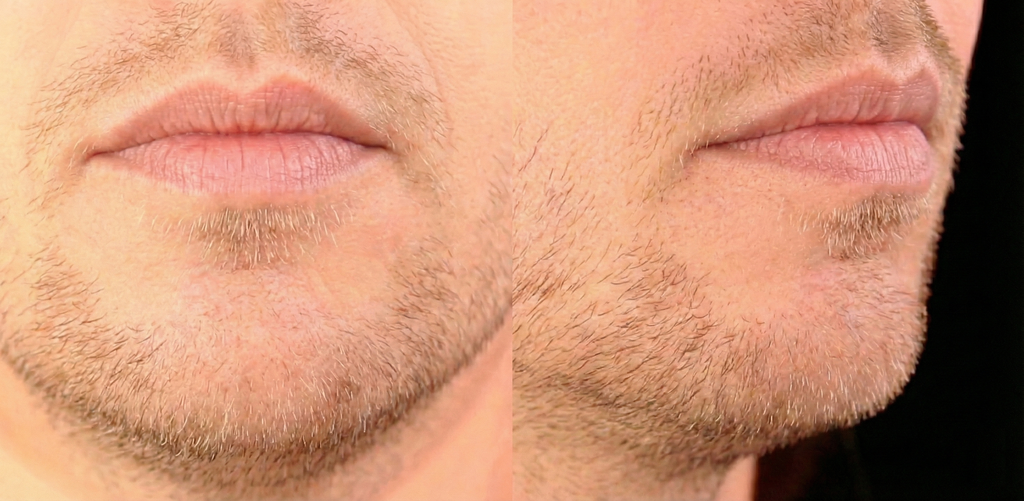
Americans pronounce movie as MOO-vee (/ˈmuvi/). Stress falls on the first syllable — keep everything else short and quick. You'll hear it in sentences like "I haven't seen that movie yet" or "What time does the movie start?" — more examples below.
Record yourself saying "movie" and play it back. The mic stays on your device — nothing's uploaded.
2 syllables, 4 sounds. Tap a syllable to jump to its row, then explore each sound's mouth shape and how it's made.
Press your lips together. Air flows through your nose. Vocal cords vibrate.
Round your lips into a tight circle. Let your tongue rest in the middle of your mouth, slightly raised.
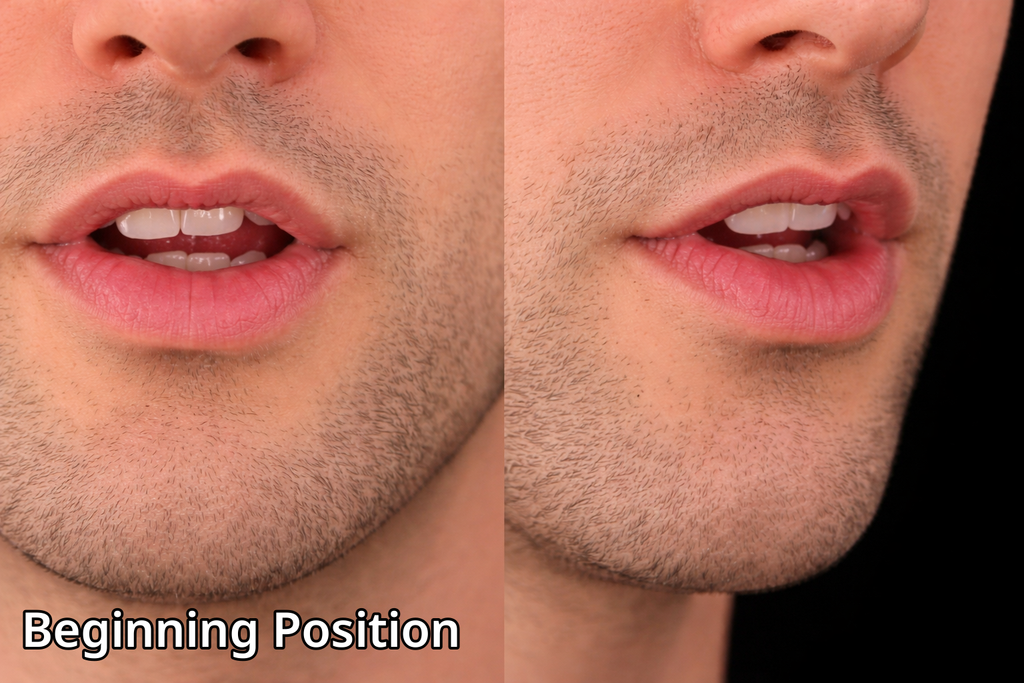
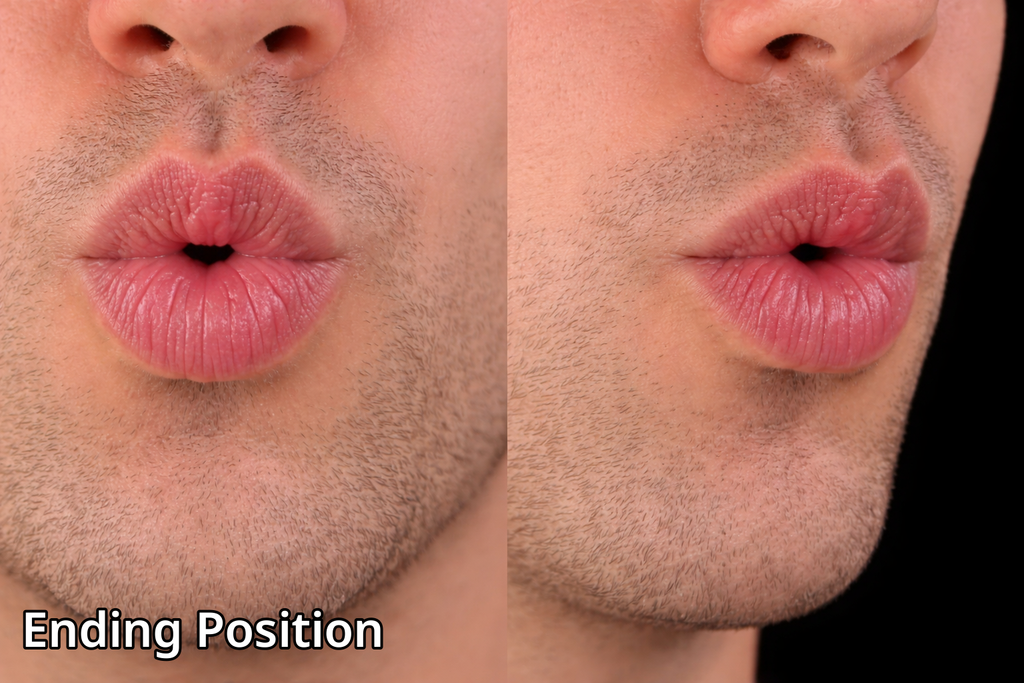
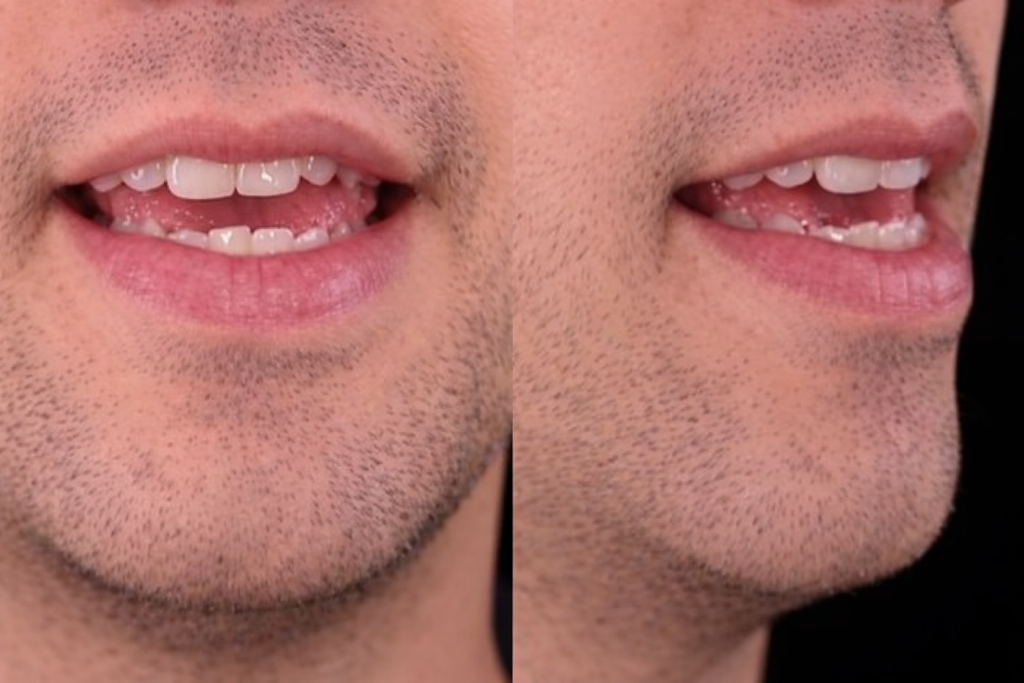
Lift your bottom lip so its inner edge (where the wet part meets the dry part) touches the very bottom of your top front teeth. Add vocal cord vibration as you blow air through.
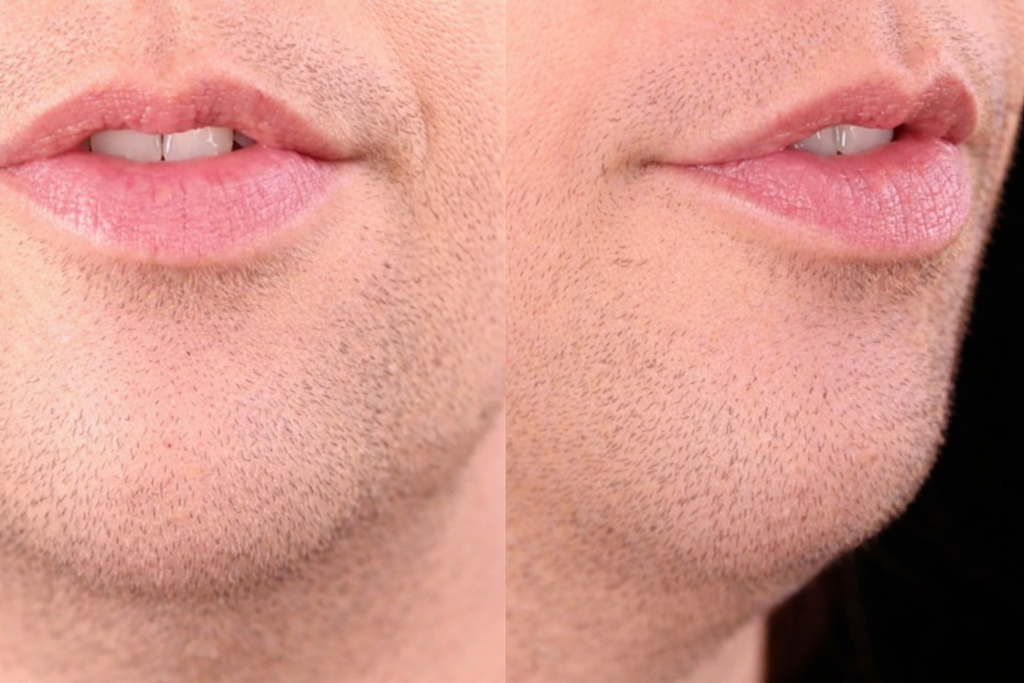
Pull the corners of your lips back slightly. Arch the middle-front of your tongue high toward the roof of the mouth.
Click any sentence to see the full breakdown — every link, every reduction, every flap-T.
The textbook way isn't wrong — it's just not how anyone actually says it.
Stress falls on the first syllable, not the others. Stretch MOO — keep everything else short and quick.

SayWaader is the AI pronunciation coach for American English. Practice 5 minutes a day. Get a 5-axes accent assessment. Sound like you live here.