How to pronounce rare in American English

IPA /rɛr/ Syllables 1 · rair Stress 1st syllable
RAIR
Start here

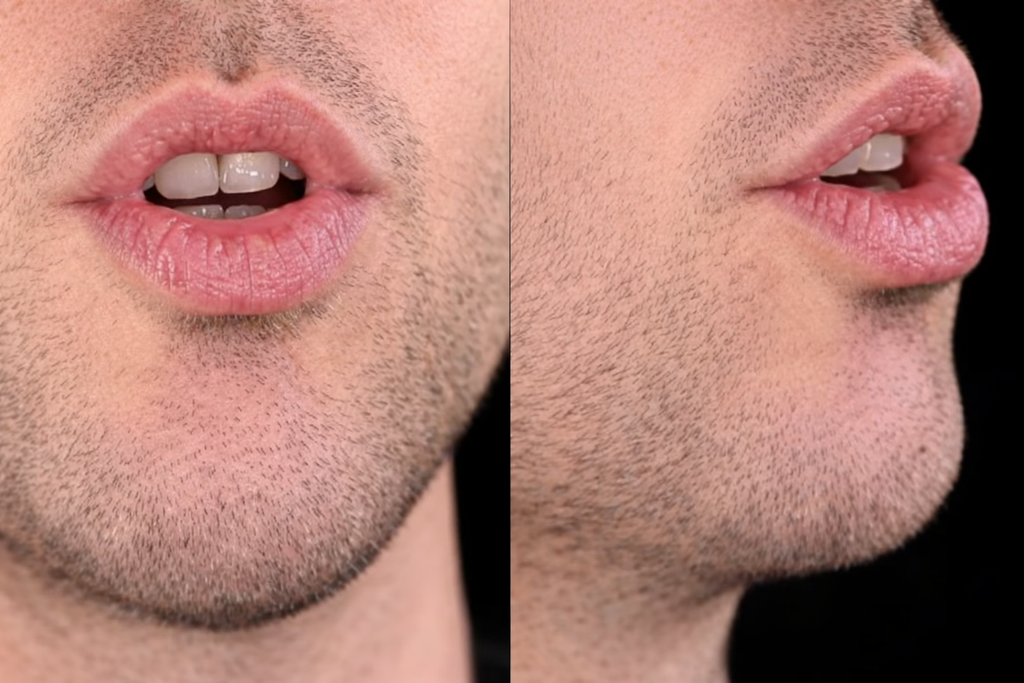
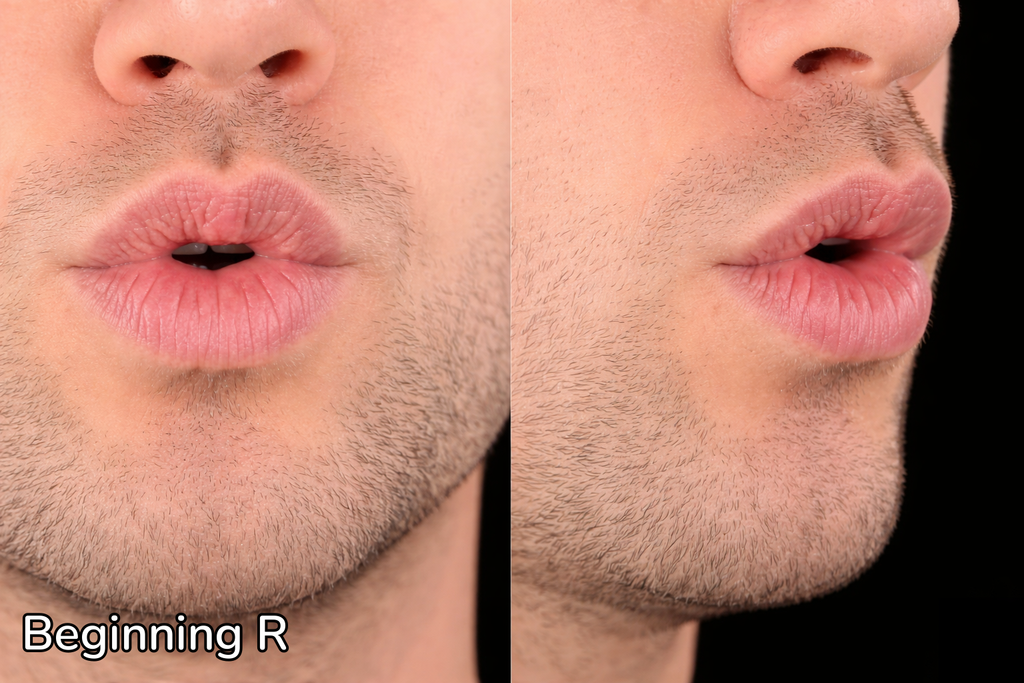
Americans pronounce rare as RAIR (/rɛr/). The R is one continuous sound with the vowel — the tongue curls back rather than rolling.

Now you try.

Record yourself saying "rare" and play it back. The mic stays on your device — nothing's uploaded.

Ready when you are
Tap the mic to start
Preview your accent profile

Get your accent profile and 5-axes assessment.

Sounds
75%
Clarity
68%
Stress
78%
Intonation
65%
Fluency
62%

Overall assessment

Our AI coach listens to your recording and grades 5 dimensions of pronunciation — then tells you exactly what to fix next.

72% Noticeable accent

Common mistakes

Pronouncing the "R" too clearly.

Americans use a relaxed retroflex R — the tongue curls back rather than rolling. The R is one continuous sound with the vowel before it, not two separate sounds.

Unlock the full report in the app
Why it sounds different

Why "rare" sounds like RAIR.

The "" at the end of "" flows directly into the vowel starting "" — the consonant migrates to the next word with no pause between. This is called the Consonant-to-Vowel Linking, what turns word-by-word reading into actual conversation. It comes out as RAIR.

In real conversation

Hear "rare" in the wild.

Click any sentence to see the full breakdown — every link, every reduction, every flap-T.

"Compare the hare with the rare mare."
kuhm·PAIR dhuh HAIR wihth dhuh RAIR MAIR
"He collects rare and old records."
hee kuh·LEHKTS RAIR and OHLD REH·kerdz
"She collects vinyl records and hunts for rare albums."
shee kuh·LEHKTS VAHY·nuhl REH·kerdz and HUHNTS fer RAIR AL·buhmz
"The error in the mirror was rare really."
dhee AIR·er ihn dhuh MEER·er wuhz RAIR REE·lee
"The fair hair was rare and square."
dhuh FAIR HAIR wuhz RAIR and SKWAIR
"Very rare."
VEH·ree RAIR
Watch out

Common pronunciation mistakes in American English.

The textbook way isn't wrong — it's just not how anyone actually says it.

01

Pronouncing the "R" too clearly.

Americans use a relaxed retroflex R — the tongue curls back rather than rolling. The R is one continuous sound with the vowel before it, not two separate sounds.

… (no R)r (curl the tongue)
Questions

Questions people ask about this.

How do I pronounce the R in "rare"?
Americans use a relaxed retroflex R: the tongue curls back rather than rolling, and the R is one continuous sound with the vowel before it — not two separate sounds. Don't try to pronounce a separate vowel followed by a separate R. Treat them as a single shape.
Is the American pronunciation of "rare" different from British English?
American English uses different vowel shapes, a relaxed retroflex R, and connected-speech tricks like flap-T and glottal-stop T that British Received Pronunciation generally avoids. The respell "RAIR" reflects the casual American form; British dictionaries typically print a citation form with crisper consonants and different vowel choices.

Stop reading about "rare". Start saying it.

SayWaader is the AI pronunciation coach for American English. Practice 5 minutes a day. Get a 5-axes accent assessment. Sound like you live here.