How to pronounce The /f/ as in FAN /f/ in American English
One of the most common consonants in American English. Hear it in fan, off, fish, fun.
The /f/ consonant, the fan sound, is a continuous, friction-based sound. Rest your top front teeth lightly against the inside of your bottom lip and blow air through the contact. Keep your vocal cords switched off so the airflow itself does all the work. That's the only difference between /f/ and its voiced partner /v/. The mouth position stays the same whether the sound starts a word like fish or ends one like off.
Three small adjustments.
Get them right and the sound takes care of itself.
Lift your bottom lip to touch the very bottom of your top front teeth. Blow air through this contact point without voicing.
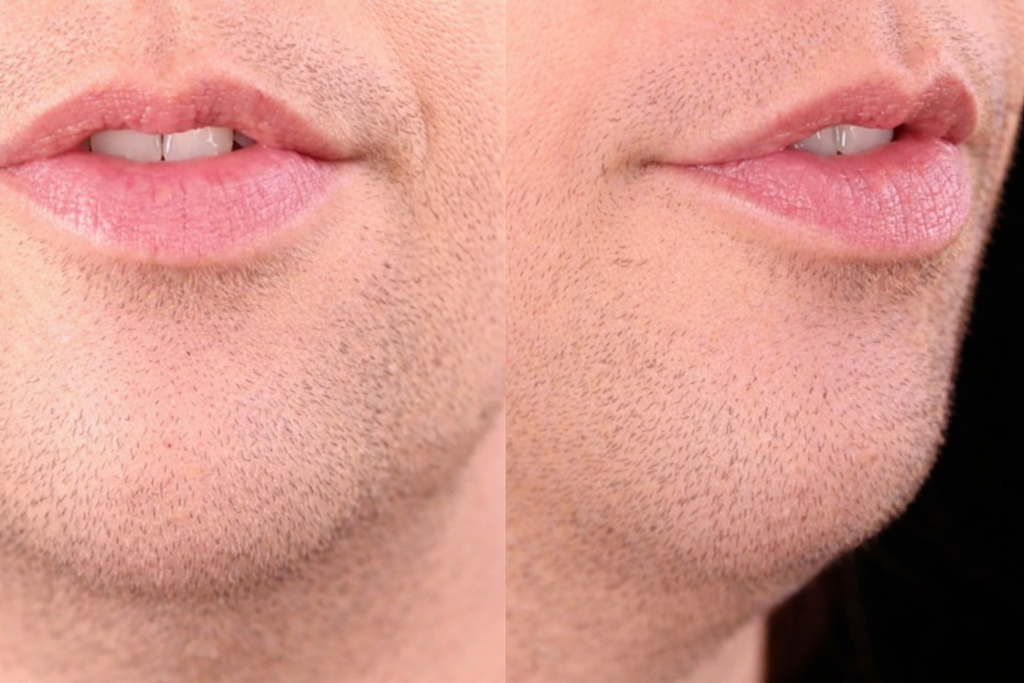
Mouth shape
/f/ as in fan
Tongue
Should stay relaxed so air can push through easily.
Lips
The bottom lip lifts and the inside of the lip contacts the very bottom of the top front teeth. The top lip lifts slightly to get out of the way.
Two things to remember.
Don't curl your bottom lip all the way in. It only takes a slight inward roll for the inside of the lip to make contact with the teeth.
Same mouth position as V (/v/) but without vocal cord vibration.
16 everyday words.
Tap any word for its full breakdown — every reduction, every flap-T.
In real conversation.
5 short sentences where this sound shows up. Tap to play; click the title for the full breakdown.
Common questions about /f/.
What is the exact mouth position for the American /f/ sound?
What is the difference between the /f/ in "fan" and the /v/ in "van"?
Why do words like "phone" and "laugh" use the /f/ sound?

Practice /f/ with an AI coach.
SayWaader is the AI pronunciation coach for American English. Practice 5 minutes a day. Get a 5-axes accent assessment. Sound like you live here.