How to pronounce left in American English
LEHFT
Start here
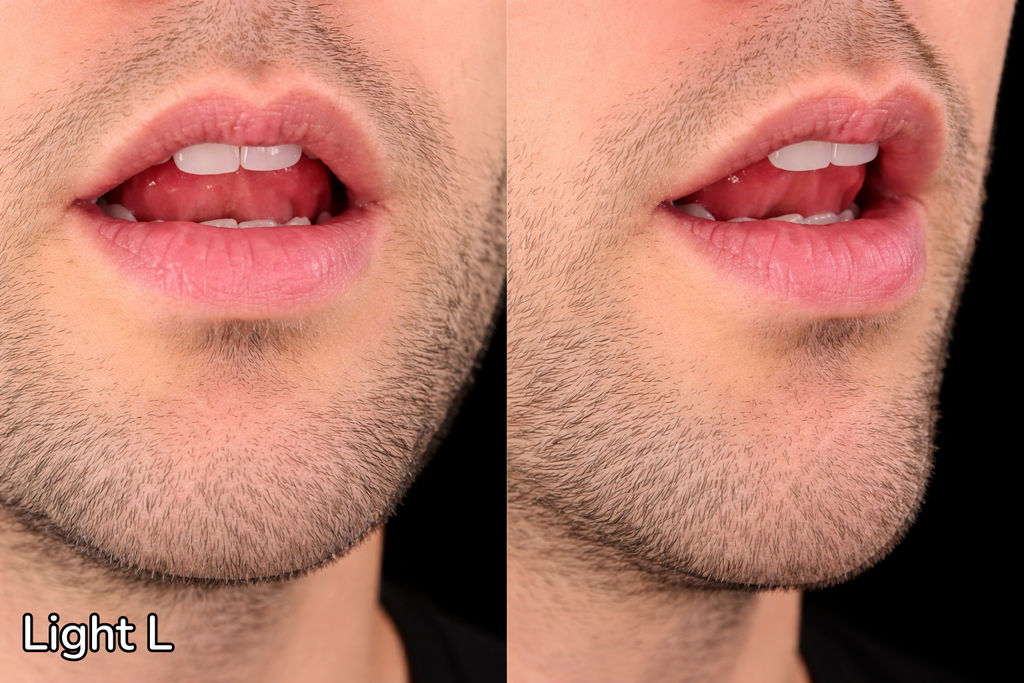
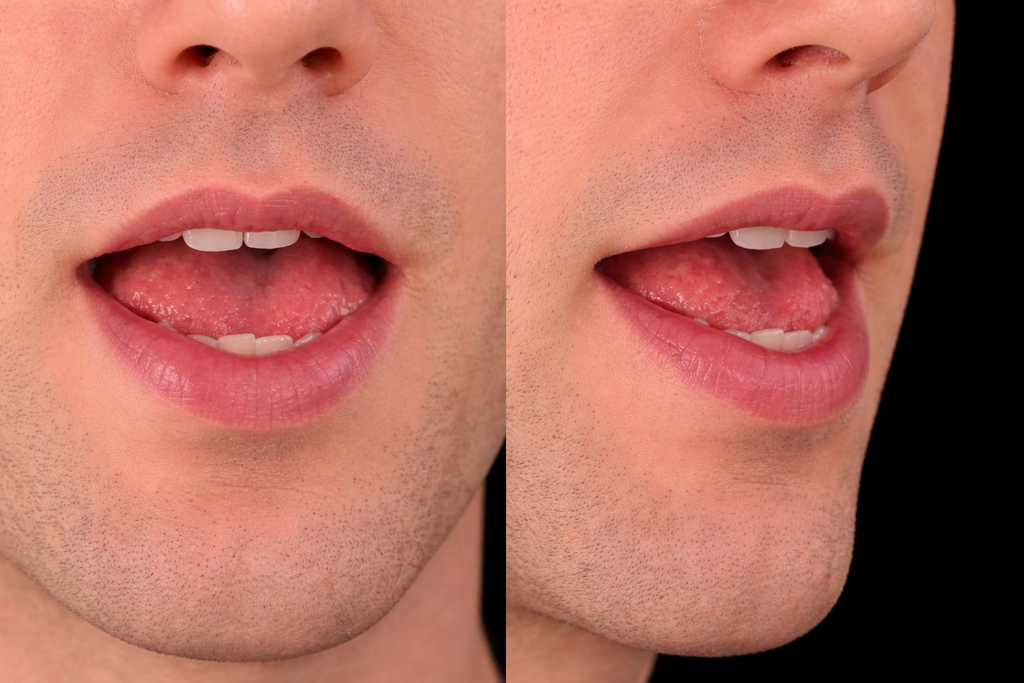
Americans pronounce left as LEHFT (/lɛft/).
Now you try.
Record yourself saying "left" and play it back. The mic stays on your device — nothing's uploaded.
Why it sounds different
Why "left" sounds like LEHFT.
In "left", the "" is not released — the articulators get into position but hold without the burst of air. This is called the Unreleased Stops, a hallmark of natural-sounding American speech. It comes out as LEHFT.
In real conversation
Hear "left" in the wild.
Click any sentence to see the full breakdown — every link, every reduction, every flap-T.
"I left my laptop at the office."
ahy LEHFT mahy LAP·tahp uht dhee AH·fuhs
"I left my wallet at home this morning."
ahy LEHFT mahy WAH·luht uht HOHM dhihs MOR·nuhng
"I think I left my keys on the counter."
ahy thihngk ahy LEHFT mahy KEEZ ahn dhuh KOWN·ter
"Look at the little light on the left."
LUUK uht dhuh LIH·duhl LAHYT ahn dhuh LEHFT
"Not a single kernel was left by the hungry colonel."
NAHT uh SIHNG·guhl KUR·nuhl wuhz LEHFT bahy dhuh HUHNG·gree KUR·nuhl
"She left her laptop on the desk."
shee LEHFT her LAP·tahp ahn dhuh DEHSK
Watch out
Common pronunciation mistakes in American English.
The textbook way isn't wrong — it's just not how anyone actually says it.
01
Releasing the final consonant with a puff of air.
In "left", the "" is not released — the articulators get into position but hold without the burst of air. Air stops but there's no release burst — the articulators hold position.
left→LEHFT
Questions
Questions people ask about this.
Is the American pronunciation of "left" different from British English?
American English uses different vowel shapes, a relaxed retroflex R, and connected-speech tricks like flap-T and glottal-stop T that British Received Pronunciation generally avoids. The respell "LEHFT" reflects the casual American form; British dictionaries typically print a citation form with crisper consonants and different vowel choices.