How to pronounce found in American English

IPA /faʊnd/ Syllables 1 · fownd Stress 1st syllable
FOWND
Start here

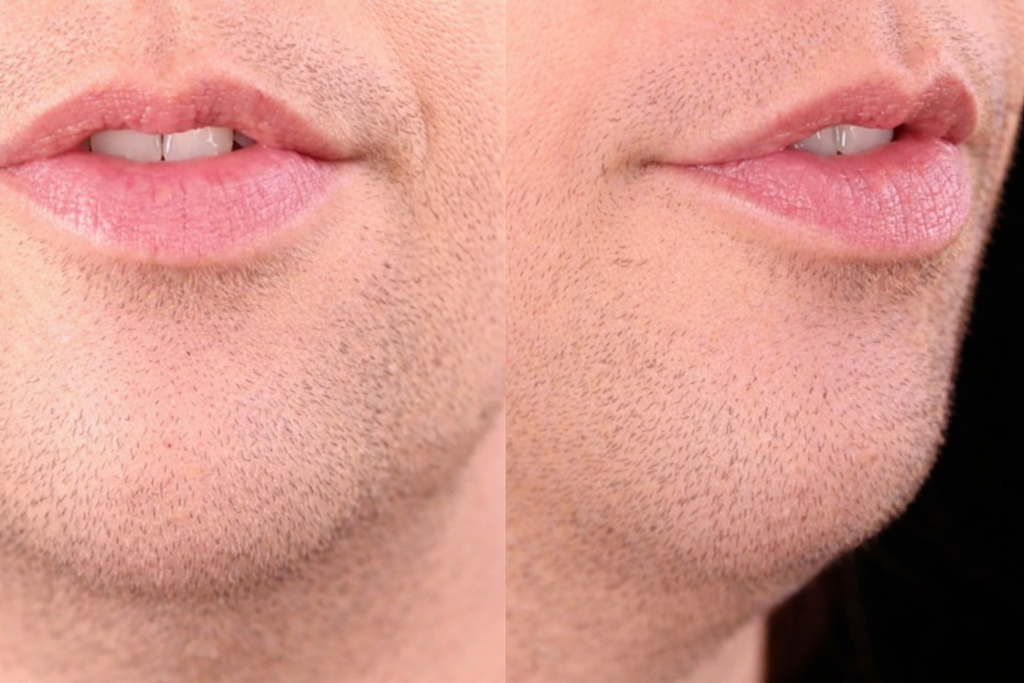
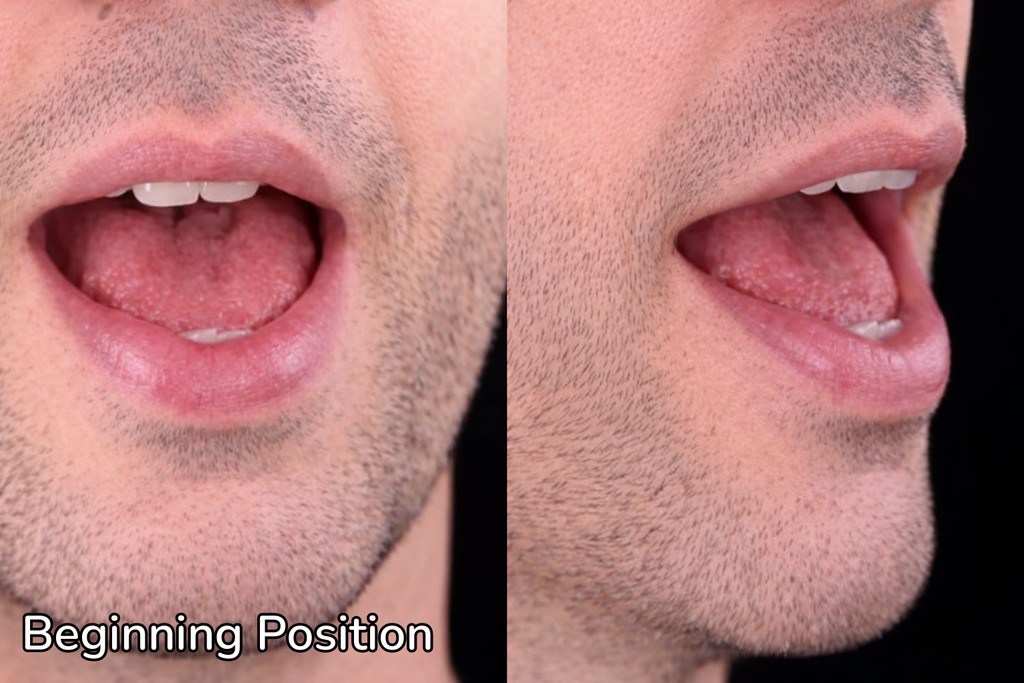
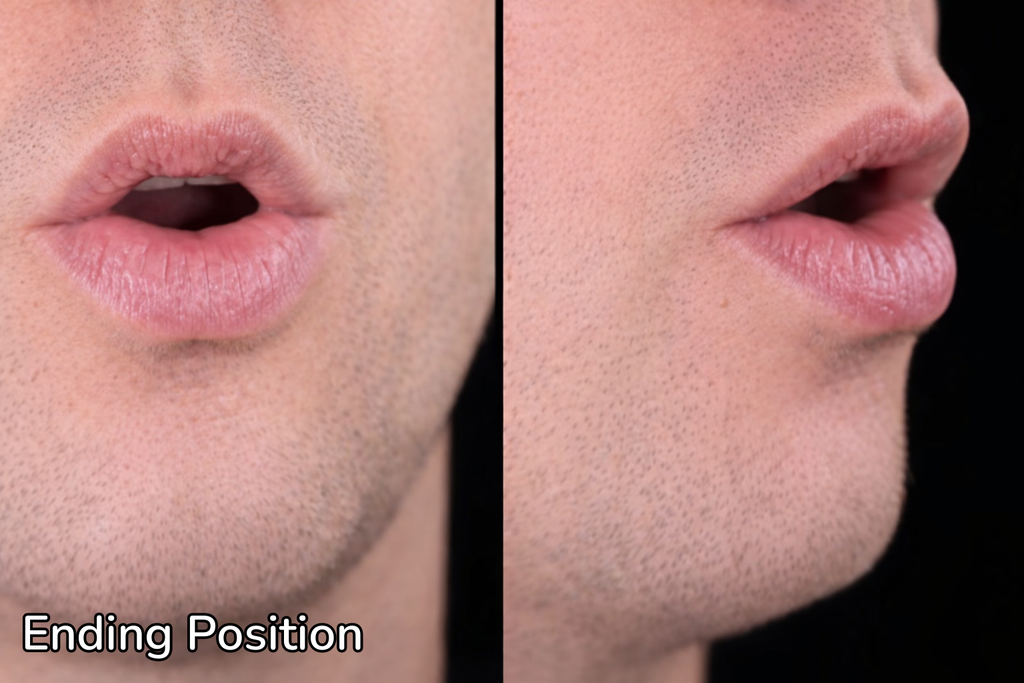
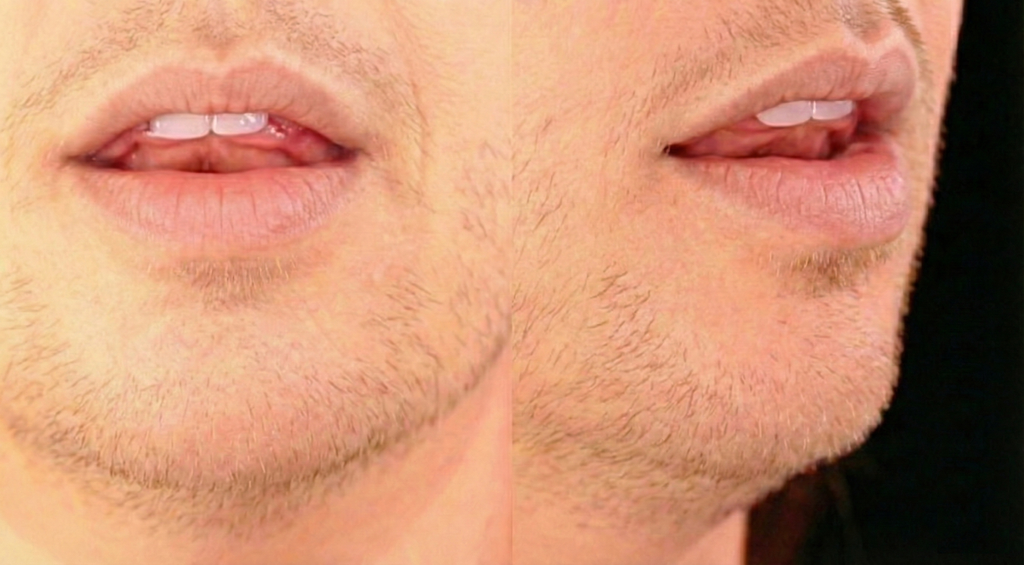
Americans pronounce found as FOWND (/faʊnd/).

Now you try.

Record yourself saying "found" and play it back. The mic stays on your device — nothing's uploaded.

Ready when you are
Tap the mic to start
Preview your accent profile

Get your accent profile and 5-axes assessment.

Sounds
75%
Clarity
68%
Stress
78%
Intonation
65%
Fluency
62%

Overall assessment

Our AI coach listens to your recording and grades 5 dimensions of pronunciation — then tells you exactly what to fix next.

72% Noticeable accent
Unlock the full report in the app
Why it sounds different

Why "found" sounds like FOWND.

The "" at the end of "" flows directly into the vowel starting "" — the consonant migrates to the next word with no pause between. This is called the Consonant-to-Vowel Linking, how Americans glue words together so they sound like one phrase. It comes out as FOWND.

In real conversation

Hear "found" in the wild.

Click any sentence to see the full breakdown — every link, every reduction, every flap-T.

"He found a starfish in a tide pool on the shore."
hee FOWND uh STAR·fihsh ihn uh TAHYD POOL ahn dhuh SHOR
"He restores old furniture found at flea markets."
hee ruh·STORZ OHLD FUR·nuh·cher FOWND uht FLEE MAR·kuhts
"I found the dialogue to be witty and very well written."
ahy FOWND dhuh DAHY·uh·lahg tuh bee WIH·dee and VEH·ree wehl RIH·duhn
"She found a language exchange partner to practice conversation skills."
shee FOWND uh LANG·gwuhj uhks·CHAYNJ PART·ner tuh PRAK·tuhs kahn·ver·SAY·shuhn SKIHLZ
"She found a quiet corner in the library for focused studying."
shee FOWND uh KWAHY·uht KOR·ner ihn dhuh LAHY·brair·ee fer FOH·kuhst STUH·dee·uhng
"The brown mouse was found on the ground outside."
dhuh BROWN MOWS wuhz FOWND ahn dhuh GROWND OWT·sahyd
Questions

Questions people ask about this.

Is the American pronunciation of "found" different from British English?
American English uses different vowel shapes, a relaxed retroflex R, and connected-speech tricks like flap-T and glottal-stop T that British Received Pronunciation generally avoids. The respell "FOWND" reflects the casual American form; British dictionaries typically print a citation form with crisper consonants and different vowel choices.

Stop reading about "found". Start saying it.

SayWaader is the AI pronunciation coach for American English. Practice 5 minutes a day. Get a 5-axes accent assessment. Sound like you live here.