k/k/
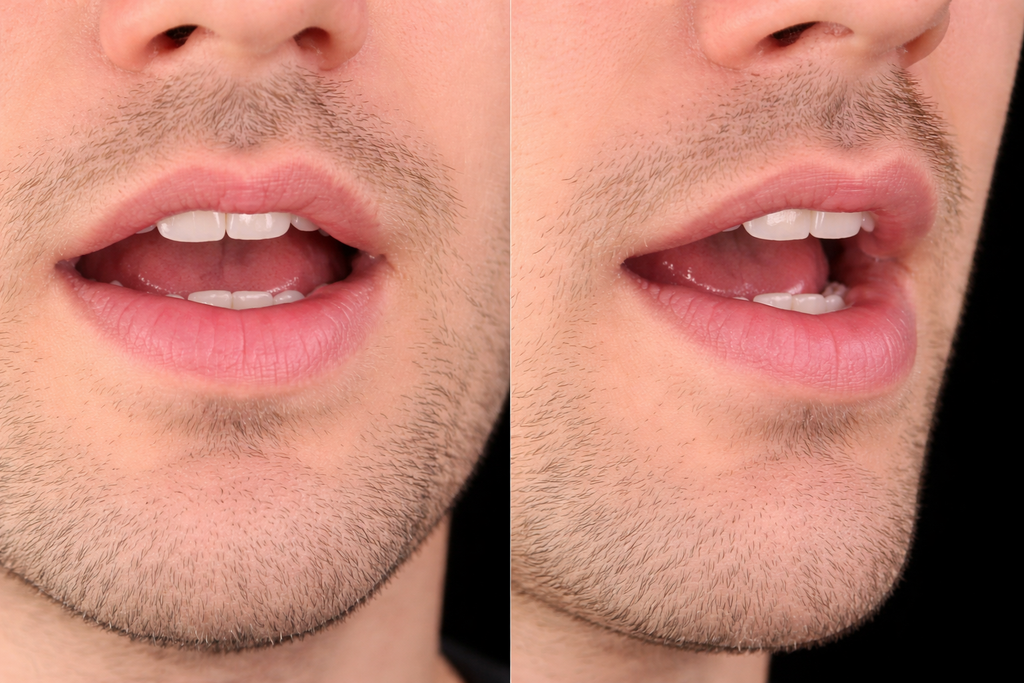
Raise the back of your tongue to touch the soft palate (velum). Stop the air, then release.
Americans pronounce counteroffer as KOWN-ter-ah-fer (/ˈkaʊntərˌɑfər/). In "counteroffer", the "t" right after N is dropped — the tongue skips the T stop and moves directly from the N position to the next sound. This is called the Silent T after N, and it's one of the defining features of casual American English. It comes out as KOWN·ter·AH·fer. Stress falls on the first syllable — keep everything else short and quick. You'll hear it in sentences like "I would like to propose a counteroffer for your consideration".
Record yourself saying "counteroffer" and play it back. The mic stays on your device — nothing's uploaded.
4 syllables, 8 sounds. Tap a syllable to jump to its row, then explore each sound's mouth shape and how it's made.
Raise the back of your tongue to touch the soft palate (velum). Stop the air, then release.
Start with a dropped jaw and flat tongue. Glide into a relaxed, slightly rounded lip position as the back of the tongue stretches up.
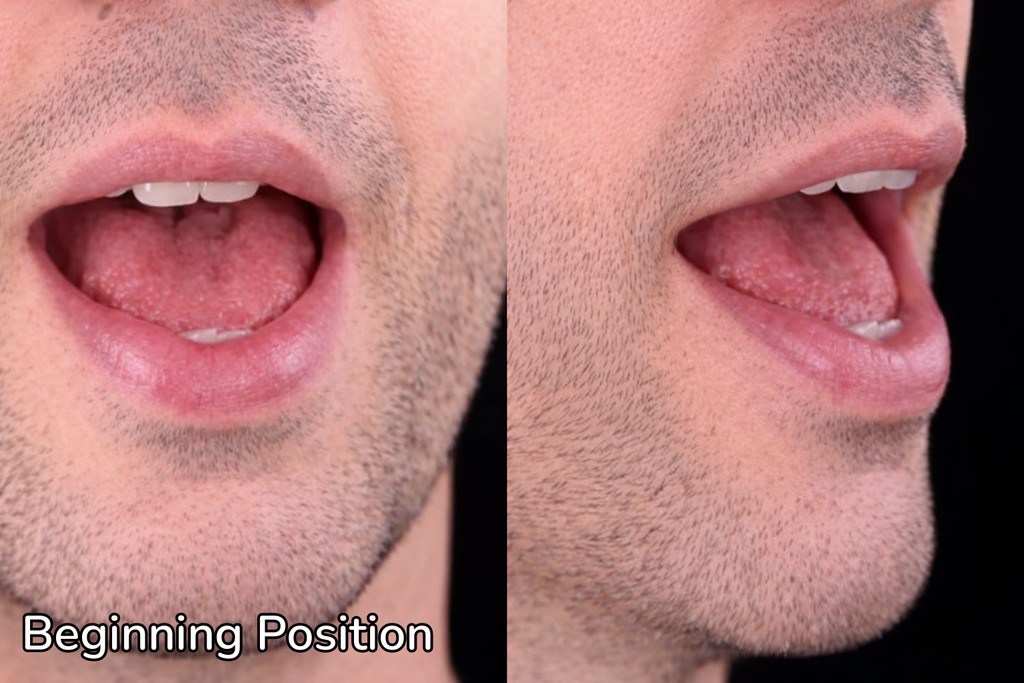
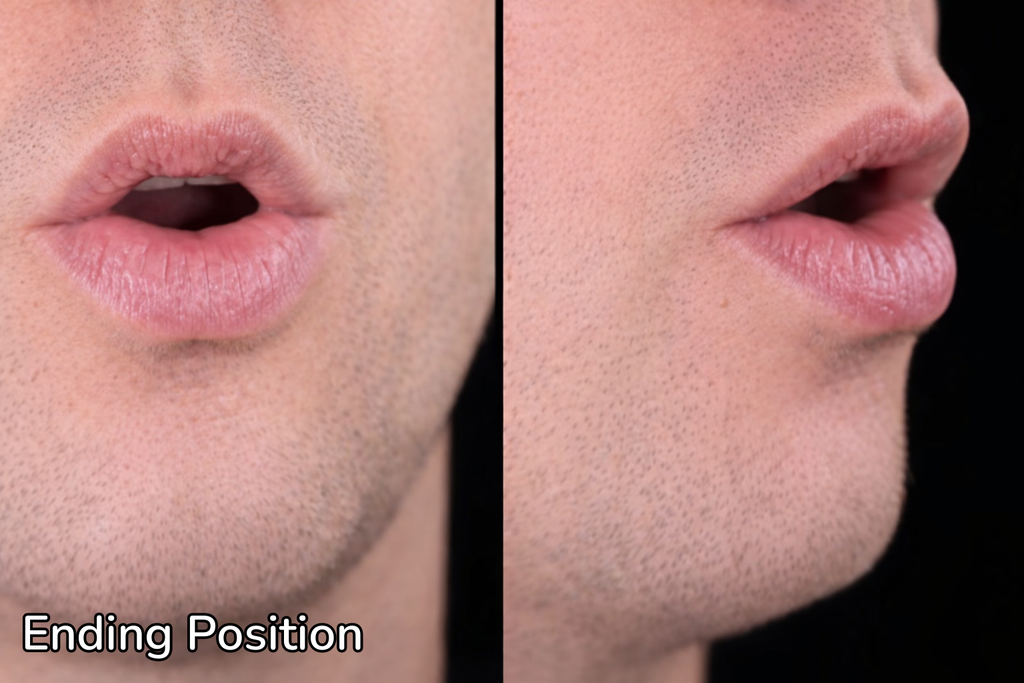
Touch the tip or front edge of your tongue to the roof of your mouth behind your teeth. Air flows through your nose.
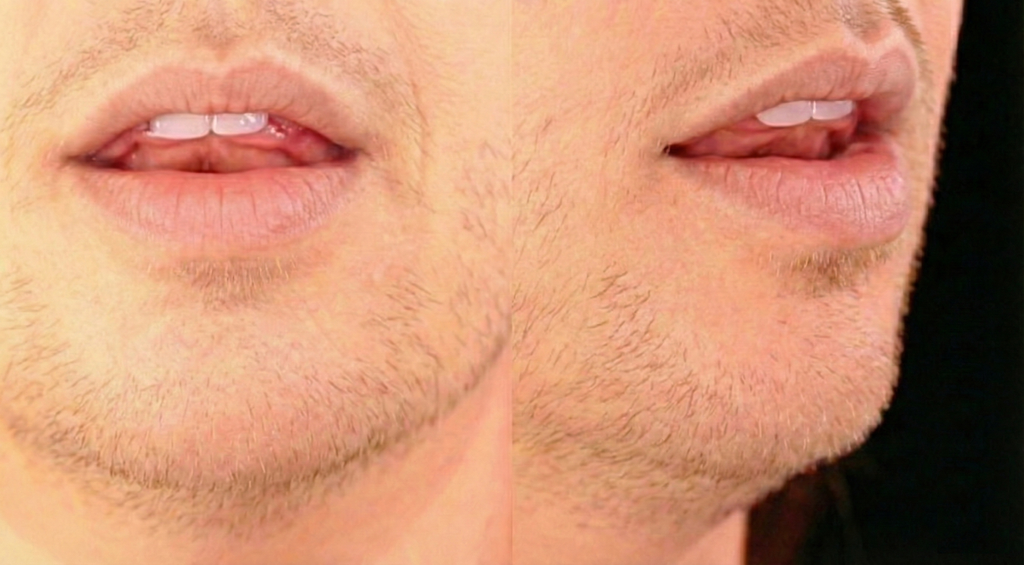
The T is skipped entirely. Your tongue doesn't make contact at the T position.
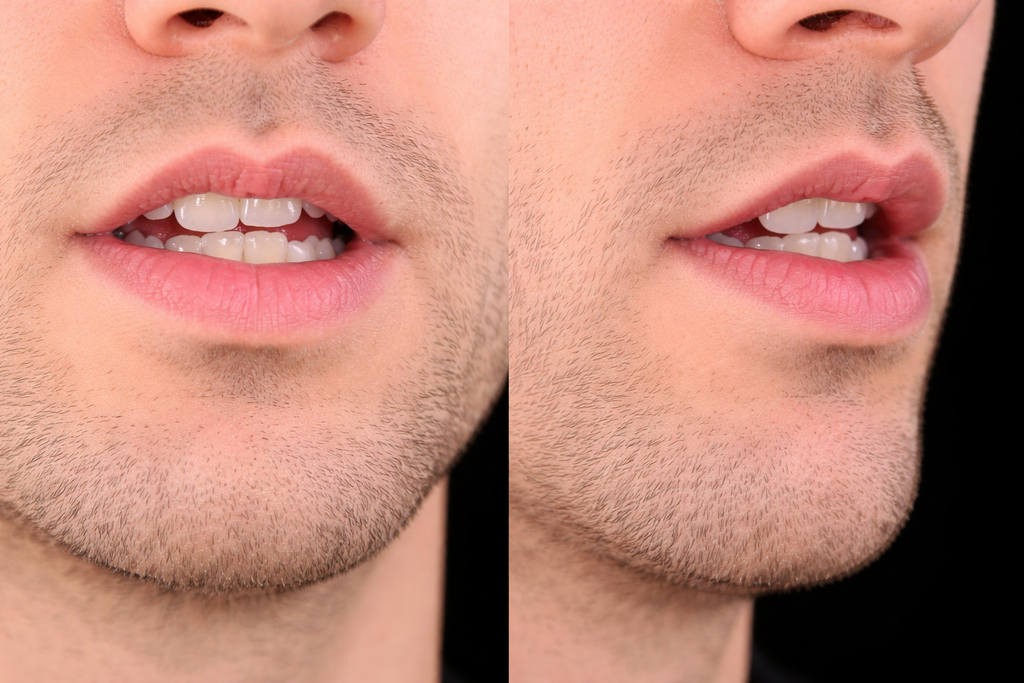
Relax your mouth and lift the tongue back and up. Keep the lips neutral.
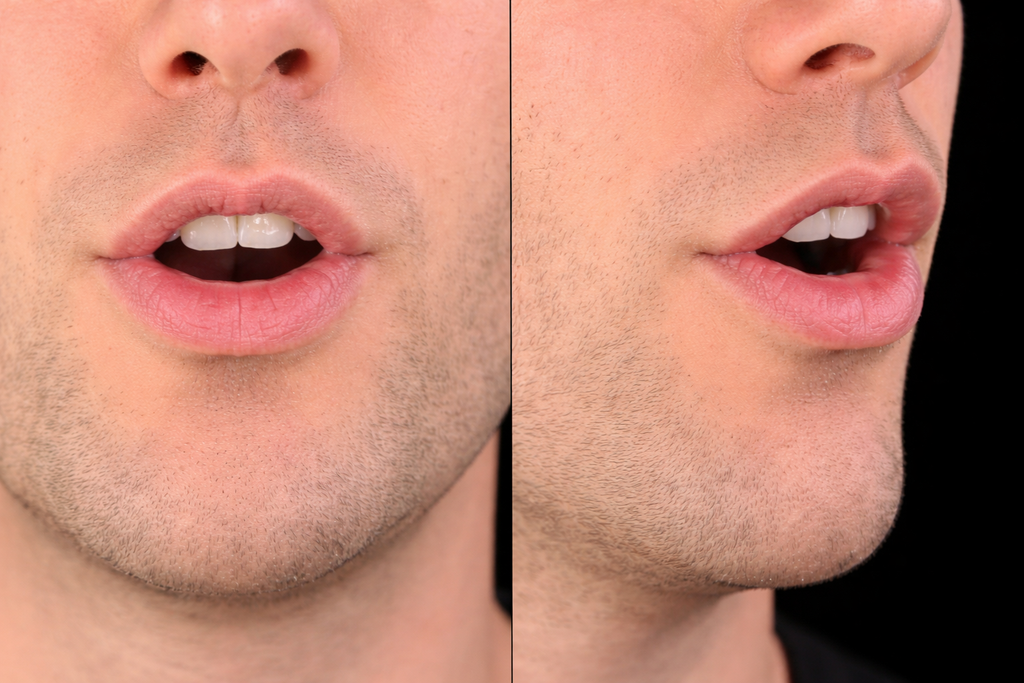
Relax your lips and drop your jaw significantly. The tongue tip lightly touches behind the bottom front teeth and the back part of the tongue presses down a little to create more dark space in the back of the mouth.
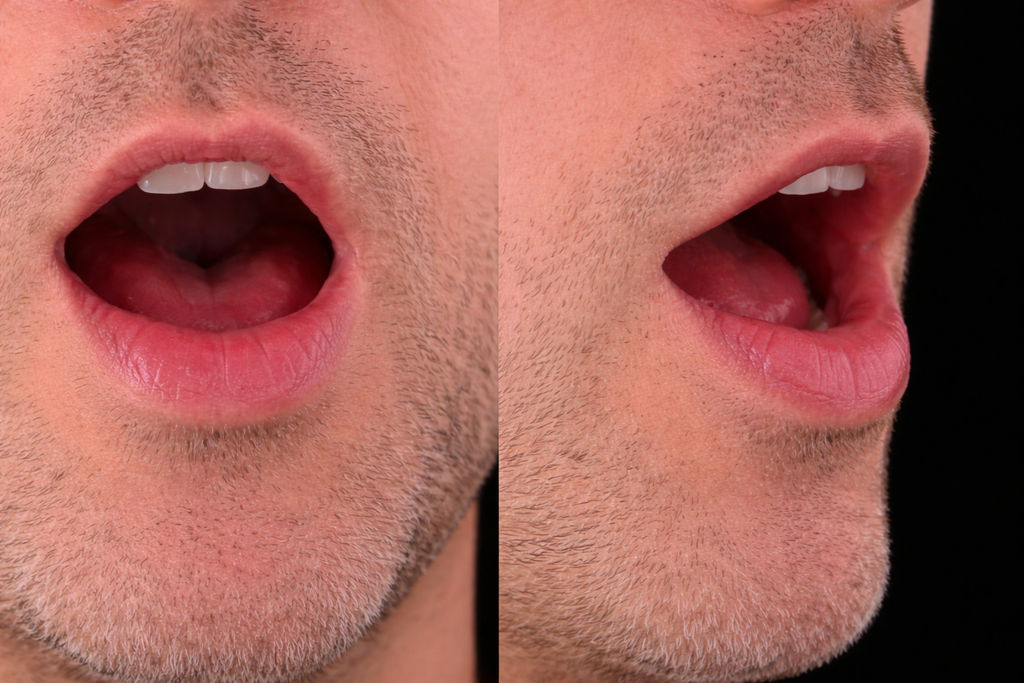
Lift your bottom lip to touch the very bottom of your top front teeth. Blow air through this contact point without voicing.
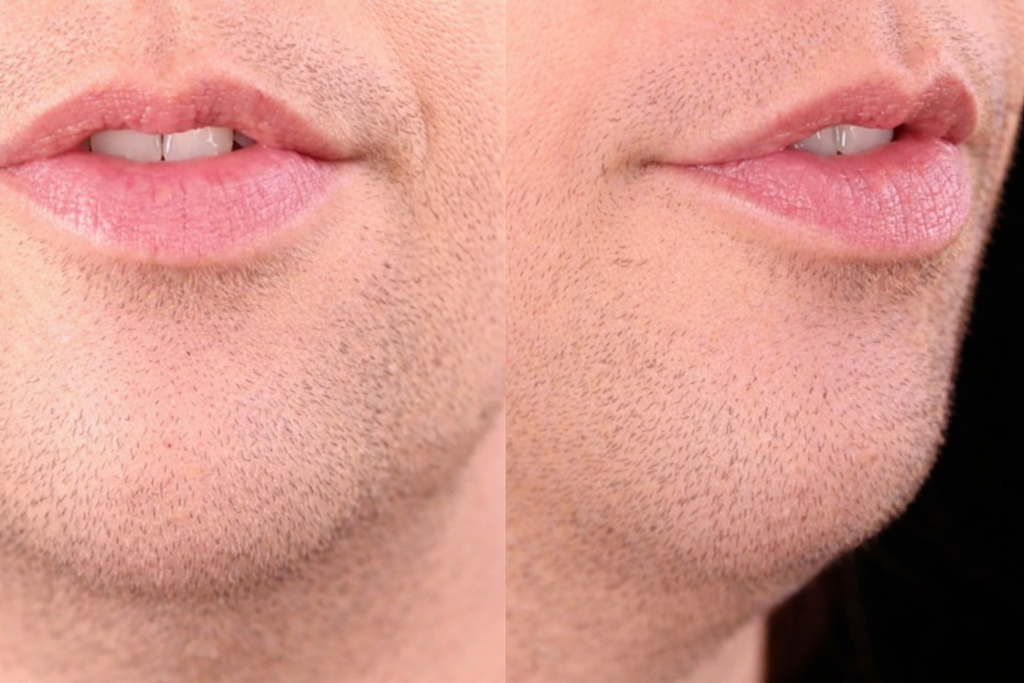
Relax your mouth and lift the tongue back and up. Keep the lips neutral.
The textbook way isn't wrong — it's just not how anyone actually says it.
In "counteroffer", the "t" right after N is dropped — the tongue skips the T stop and moves directly from the N position to the next sound. /t/ is completely silent — the tongue skips the T stop and moves directly from the N position to the next sound.
Stress falls on the first syllable, not the others. Stretch KOWN — keep everything else short and quick.
Americans use a relaxed retroflex R — the tongue curls back rather than rolling. The R is one continuous sound with the vowel before it, not two separate sounds.

SayWaader is the AI pronunciation coach for American English. Practice 5 minutes a day. Get a 5-axes accent assessment. Sound like you live here.