How to pronounce The NOW Diphthong /aʊ/ in American English
One of the most common diphthongs in American English. Hear it in out, down, house, sound.
The /aʊ/ vowel, the now sound, is the gliding vowel in words like out, down, house, and sound. Start with the jaw dropped and the tongue flat, then glide smoothly into a relaxed, lightly rounded lip shape. It's a two-part vowel, and the most common mistake non-native speakers make is cutting that glide short, which leaves the word sounding flat. Slide all the way through to the lightly rounded finish, but don't force a tight pucker.
Three small adjustments.
Get them right and the sound takes care of itself.
Start with a dropped jaw and flat tongue. Glide into a relaxed, slightly rounded lip position as the back of the tongue stretches up.
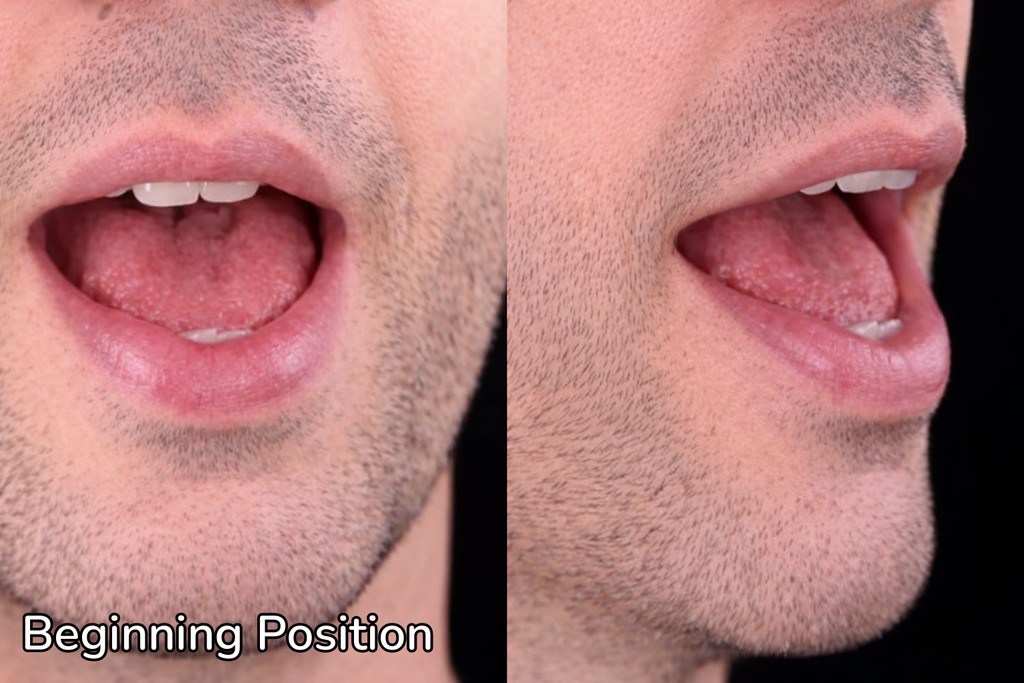
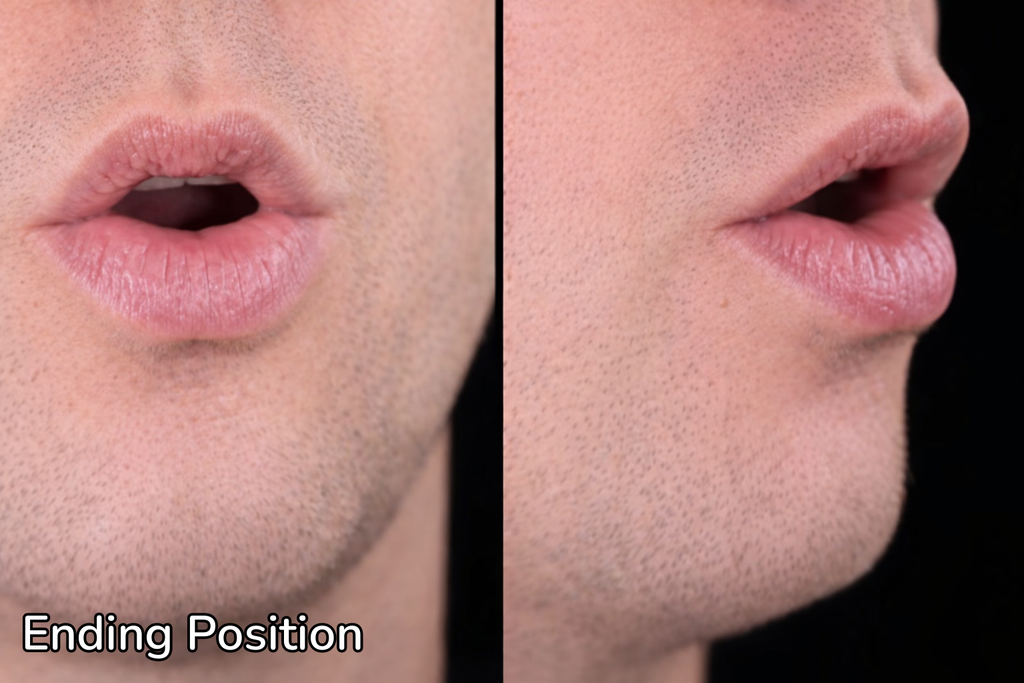
Mouth shape
/aʊ/ as in out
Jaw
Drops for the start, comes up for the end.
Tongue
Wide and flat in the first position, with the tip touching the back of the bottom front teeth. The back of the tongue then stretches up as you glide into the second position.
Lips
Upper lip might lift slightly or be relaxed in the first position. Lips come together into a relaxed, light rounding for the second position, not a tight circle.
Compare with similar sounds.
If your sound is sliding into a neighbor, here's how to tell them apart.
16 everyday words.
Tap any word for its full breakdown — every reduction, every flap-T.
In real conversation.
5 short sentences where this sound shows up. Tap to play; click the title for the full breakdown.
Common questions about /aʊ/.
What's the easiest way to pronounce the /aʊ/ vowel?
Why does my /aʊ/ sound choppy or foreign?
Does the OW spelling always make the /aʊ/ sound?

Practice /aʊ/ with an AI coach.
SayWaader is the AI pronunciation coach for American English. Practice 5 minutes a day. Get a 5-axes accent assessment. Sound like you live here.