The diphthongs in now /aʊ/ and no /oʊ/ both end with the lips rounding, but they start in completely different places. To say /aʊ/, you have to drop your jaw wide open first, almost like you're saying "ah", before gliding into a tight circle. For /oʊ/, the jaw only drops halfway, and your lips start rounding much earlier. A common mistake is not opening the mouth wide enough for /aʊ/, making words like found sound like phoned.
How the two sounds differ.
3 small mouth adjustments. Get any one of them wrong and the sound slides into its neighbor.
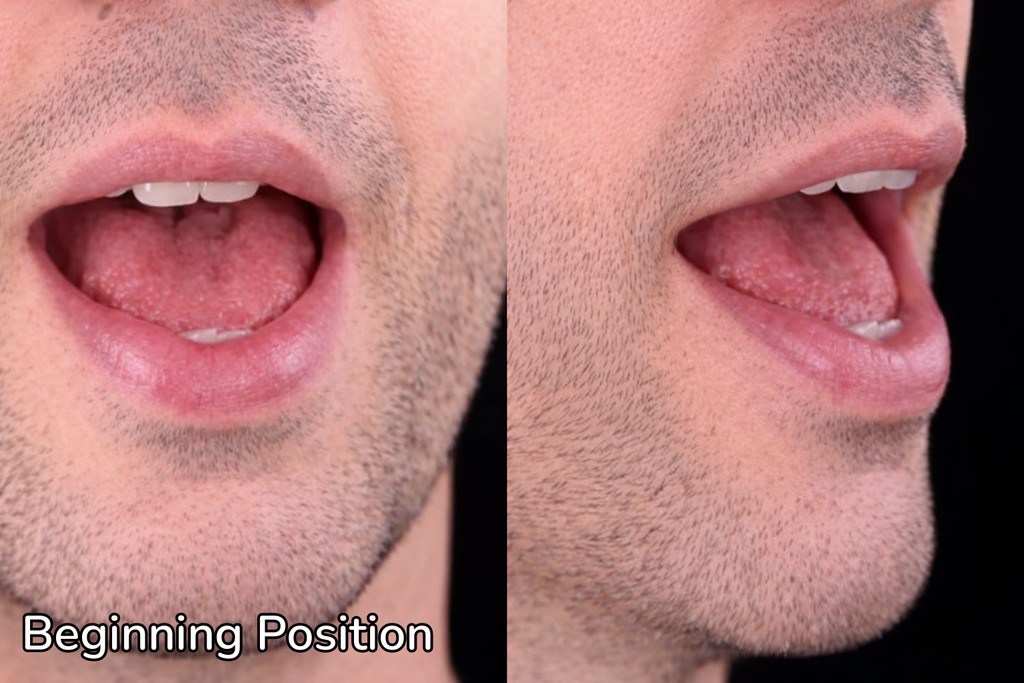
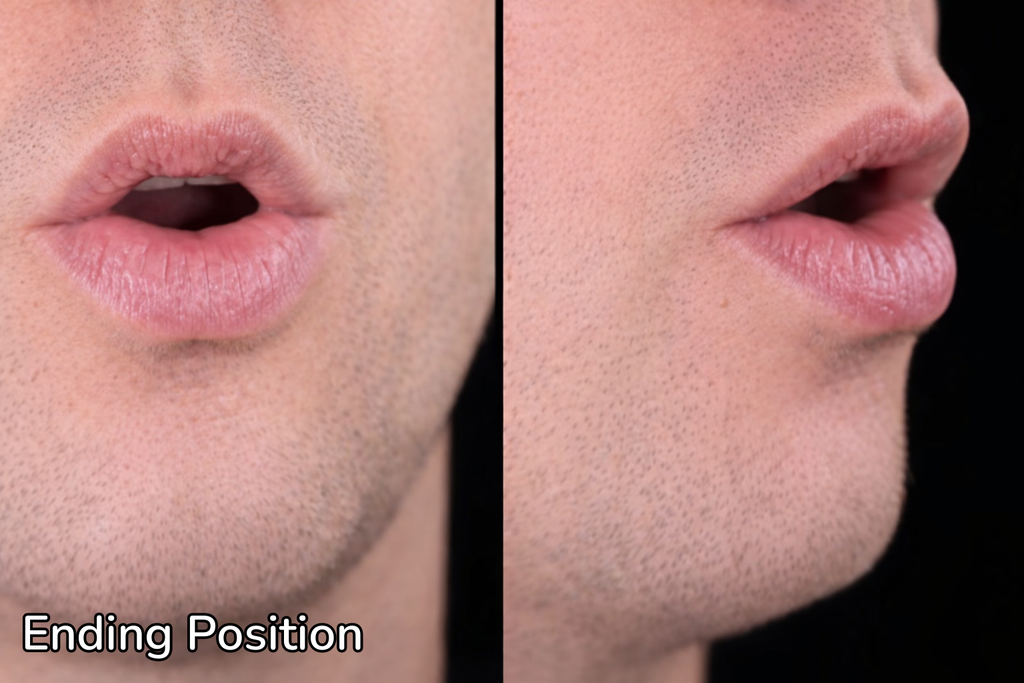
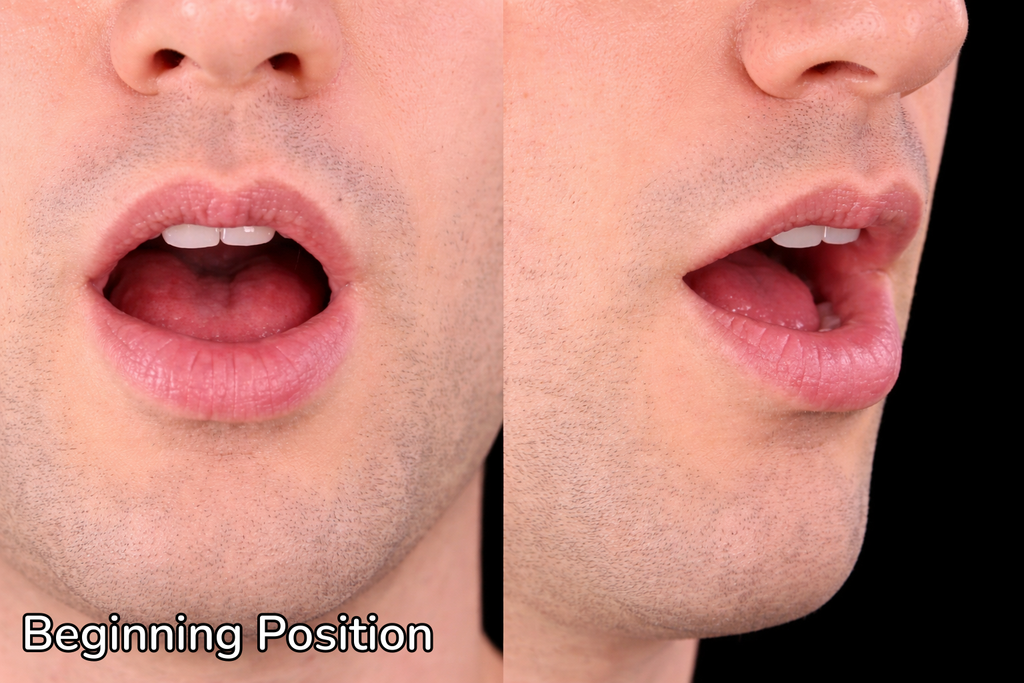
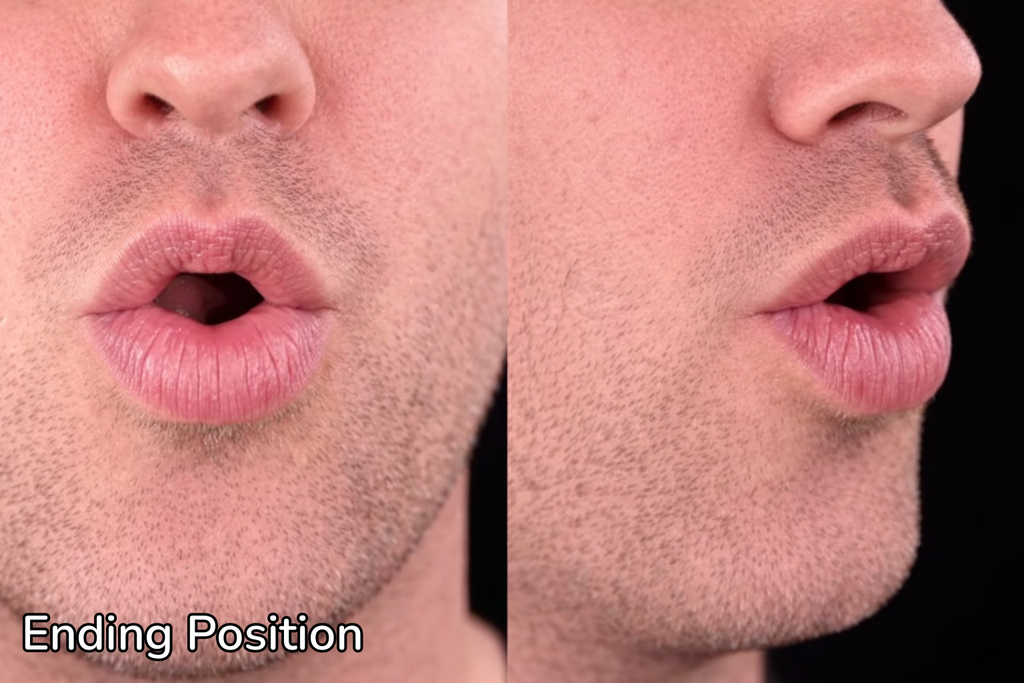
Now you try.
Record yourself saying "Now" and "No" a few times. Listen back — your own ear is the best feedback for nailing the contrast.
If your ear blurs them, here's why.
Two things tangle these sounds: jaw laziness and English spelling. If your native language doesn't have the wide-open /aʊ/ diphthong, you'll naturally default to a smaller mouth movement. Don't drop the jaw wide enough at the start of now and it shrinks into no. English spelling makes it worse. The letters 'ow' make the /aʊ/ sound in how and cow, but the same letters make /oʊ/ in show and know. The fix is purely physical: the start of /aʊ/ needs an exaggerated jaw drop that feels nothing like the relaxed, rounded /oʊ/.
Train the muscle, then the ear.
3 short drills. Do them out loud: feel the change inside your mouth before you try to hear it.
Use the two-finger test: stack two fingers and place them between your teeth. That's how wide your jaw should drop at the very start of now /aʊ/. For go /oʊ/, your mouth shouldn't open nearly that far.
Stretch the sounds out in slow motion. Say ahhhhh-ooooo for /aʊ/ and feel how far your jaw travels. Then say ohhhhh-ooooo for /oʊ/ and notice how much smaller the movement is.
Practice minimal pairs out loud: found / phoned, loud / load, bout / boat. Exaggerate the wide-open start on the first word, and keep the second word tighter and rounder.
Common questions about Now vs No.
Why do I confuse words like "found" and "phoned"?
Is the American "O" in "go" a single sound?
How do I know when "ow" is pronounced like "now" or "show"?

Master Now vs No with an AI coach.
SayWaader is the AI pronunciation coach for American English. Practice 5 minutes a day. Get a 5-axes accent assessment. Sound like you live here.