How to pronounce The /h/ as in HAT /h/ in American English
One of the most common consonants in American English. Hear it in home, happy, help, heavy.
The /h/ consonant, the sound at the start of hat, home, and hello, isn't really a traditional consonant at all. It's basically just a voiceless push of breath from the throat that takes the shape of whatever vowel comes next. Your tongue and lips don't block the air or create any friction; they're already getting ready for the rest of the word. In casual American English, that breathy puff often disappears entirely in fast speech, especially in unstressed pronouns like he, him, and her.
Three small adjustments.
Get them right and the sound takes care of itself.
Push a stream of air from your throat through your open mouth. No tongue or lip contact.
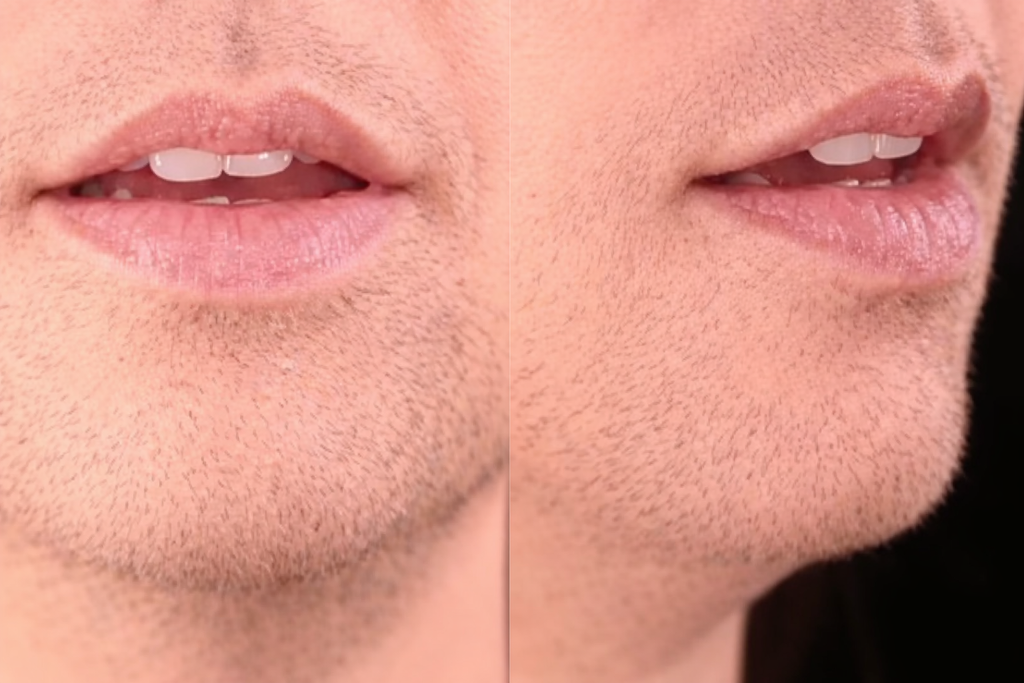
Mouth shape
/h/ as in home
Tongue
Relaxed. Moves to the position of the following vowel.
Lips
Open, taking the shape of the following vowel.
A few things to remember.
H is just breath. Your mouth is already in position for the next vowel.
Don't add friction or constriction. It should sound like a breathy start to the vowel.
Watch out for the silent H. In a few common words like hour, honest, honor, and ghost, the H is dropped completely; you start straight from the vowel.
16 everyday words.
Tap any word for its full breakdown — every reduction, every flap-T.
In real conversation.
5 short sentences where this sound shows up. Tap to play; click the title for the full breakdown.
Connected-speech rules involving /h/.
Each rule has its own page with examples and practice tips.
Common questions about /h/.
Why do Americans sometimes drop the H sound in words like "him" or "her"?
Why does my /h/ sound too harsh or scratchy?
Do Americans pronounce the H in words that start with WH, like "what" or "where"?

Practice /h/ with an AI coach.
SayWaader is the AI pronunciation coach for American English. Practice 5 minutes a day. Get a 5-axes accent assessment. Sound like you live here.