V /v/ and W /w/ are made with completely different lip and teeth positions. For /v/, your bottom lip lifts to touch your top front teeth, and air buzzes through the gap. For /w/, your teeth aren't involved at all. Your lips form a tight circle, like you're about to whistle, and push forward. Speakers of Hindi, German, and Russian often swap or merge these sounds, and getting the physical difference right makes a real audible jump in clarity.
How the two sounds differ.
3 small mouth adjustments. Get any one of them wrong and the sound slides into its neighbor.
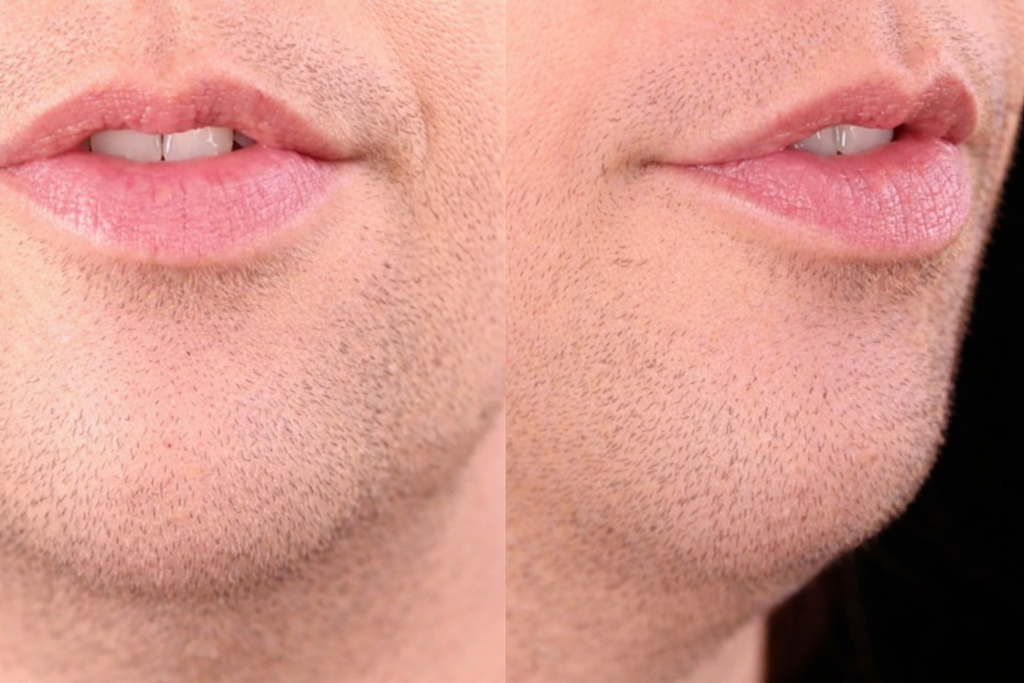
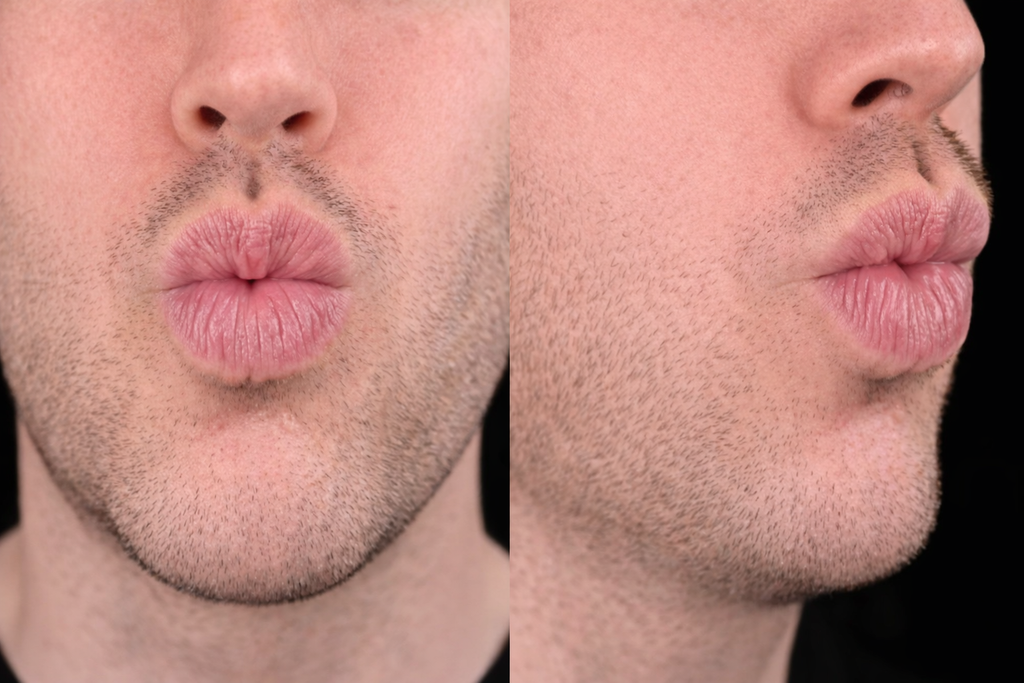
Now you try.
Record yourself saying "Vine" and "Wine" a few times. Listen back — your own ear is the best feedback for nailing the contrast.
Words that change with one sound.
Every pair below differs by exactly one sound: flip /v/ to /w/ and the meaning flips with it. Tap any word for its full breakdown.
If your ear blurs them, here's why.
Many languages don't separate /v/ and /w/ the way American English does. In German and Polish, the letter W is pronounced as a /v/. Russian speakers face a different hurdle: their language lacks the /w/ sound entirely, so they substitute their native /v/. In both cases, learners end up saying very vell instead of very well. In Hindi and other South Asian languages, a single sound, a soft /v/ made without a harsh buzz, covers both English letters, making vine and wine sound identical. American English treats these as entirely separate categories, and swapping them can change the meaning of a word (like vest versus west). If you see a W, keep your teeth out of the way. If you see a V, make sure those top teeth make contact.
Train the muscle, then the ear.
3 short drills. Do them out loud: feel the change inside your mouth before you try to hear it.
The 'lips forward' test for W: push both lips into a tight, forward-rounded circle (like you're about to whistle or blow out a candle) before you start the word, wet, win, way. With the lips already pushed forward, the bottom lip physically can't reach back to your top teeth, which forces a clean /w/.
The 'Bite and Buzz' test for V: Rest your top teeth on your bottom lip and turn your voice on. You should feel a strong, ticklish vibration on your lip. Hold that buzz for three seconds before saying the rest of the word: vvvv-van.
Pair-record minimal pairs: read vest / west, vine / wine, vary / wary, vow / wow. Exaggerate the tight forward-pushed lips for W and the teeth-on-lip bite for V. Listen back to make sure they sound completely different.
Common questions about Vine vs Wine.
Why do my W sounds sound like V to Americans?
Are V and W ever pronounced the same in English?
How can I stop mixing up V and W in fast conversation?

Master Vine vs Wine with an AI coach.
SayWaader is the AI pronunciation coach for American English. Practice 5 minutes a day. Get a 5-axes accent assessment. Sound like you live here.