B /b/ and V /v/ are both voiced, meaning your throat vibrates, but they use the lips very differently. For /b/, both lips press firmly together to stop the air, then pop open. For /v/, the bottom lip gently touches the top front teeth, and air flows continuously through the gap without stopping. Spanish speakers often blur these together because Spanish treats them as the same sound, but in American English, swapping them changes boat into vote or best into vest.
How the two sounds differ.
3 small mouth adjustments. Get any one of them wrong and the sound slides into its neighbor.
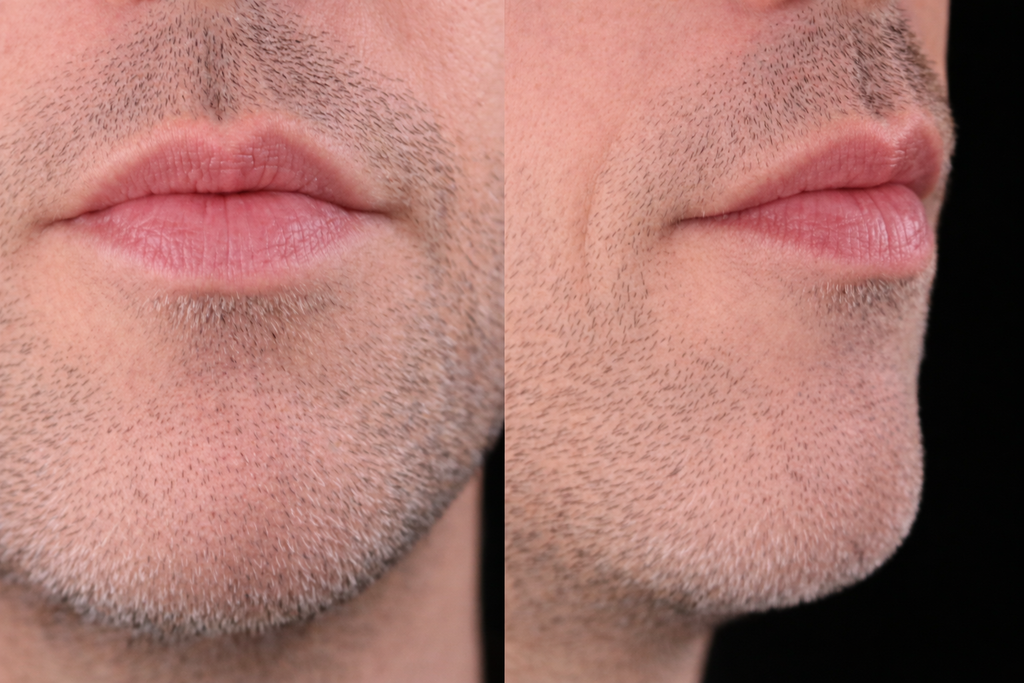
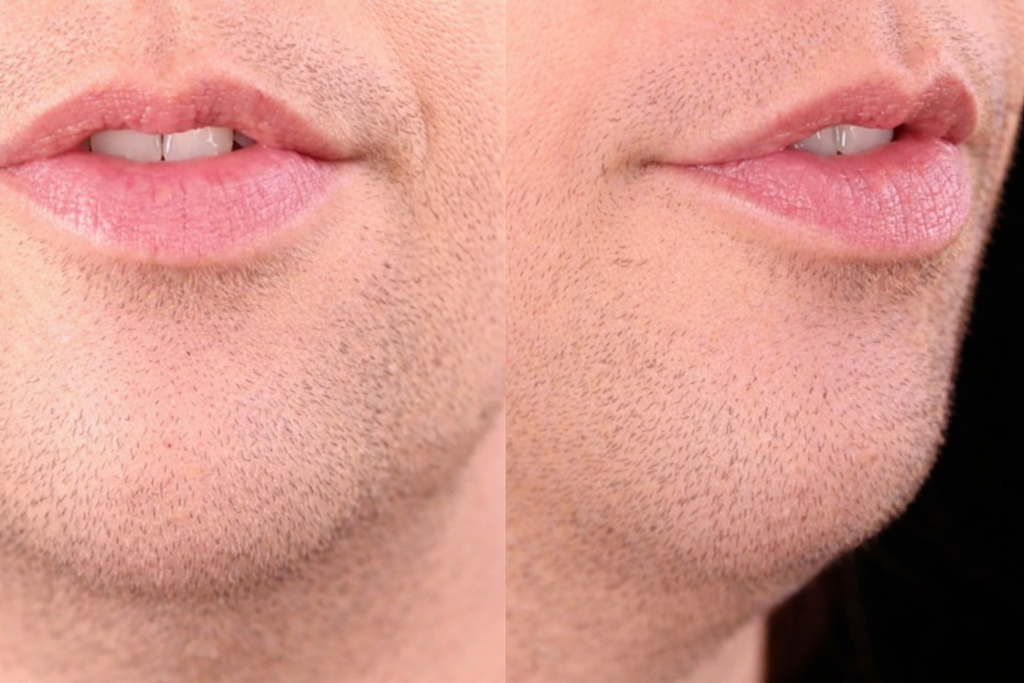
Now you try.
Record yourself saying "Berry" and "Very" a few times. Listen back — your own ear is the best feedback for nailing the contrast.
Words that change with one sound.
Every pair below differs by exactly one sound: flip /b/ to /v/ and the meaning flips with it. Tap any word for its full breakdown.
If your ear blurs them, here's why.
If your native language is Spanish, you've probably been told that B and V make the exact same sound. In Spanish, they usually merge into a soft, continuous sound where the lips barely touch. But in American English, /b/ and /v/ are strictly separate categories. If your native language is Japanese, Korean, or Tagalog, your language might not have a /v/ sound at all, which causes many learners to substitute a hard /b/ instead. If you use a soft, continuous lip sound for English /b/, Americans might hear a /v/ or just get confused. If you press both lips together for /v/, very sounds like berry. The trick to keeping them apart is focusing on the top teeth. For /b/, keep your teeth out of the way entirely. For /v/, make sure you can feel your top teeth resting on your bottom lip before you start making noise.
Train the muscle, then the ear.
3 short drills. Do them out loud: feel the change inside your mouth before you try to hear it.
Use a mirror to check your teeth. Say berry and make sure your lips hide your teeth. Then say very and make sure your top front teeth are visibly resting on your bottom lip.
The hold-it test: Try to hold out the /b/ sound in boat. You can't; the air has to pop out. Now try holding the /v/ in vote for three seconds like a buzzing bee (vvvvv-ote). If you can't hold it, you're pressing your lips too tightly.
Read minimal pairs out loud, focusing heavily on the physical switch: best/vest, ban/van, base/vase. Exaggerate the teeth-to-lip contact for /v/ until the muscle memory kicks in.
Common questions about Berry vs Very.
Why do native Spanish speakers confuse B and V in English?
Do Americans bite their lip to make the V sound?
How can I make sure my B sounds strong enough in English?

Master Berry vs Very with an AI coach.
SayWaader is the AI pronunciation coach for American English. Practice 5 minutes a day. Get a 5-axes accent assessment. Sound like you live here.