B /b/ and P /p/ are made with exactly the same lip shape: both lips press together, then release. What separates them is voicing. /b/ engages the vocal cords (you can feel a buzz in your throat) while /p/ doesn't (just a puff of air). At the start of a stressed syllable, American /p/ also gets a strong burst of breath called aspiration, so pin sounds almost like p-hin. Speakers of Spanish, French, and Italian often miss this aspiration, which is why their Ps sound like Bs to American ears.
How the two sounds differ.
3 small mouth adjustments. Get any one of them wrong and the sound slides into its neighbor.
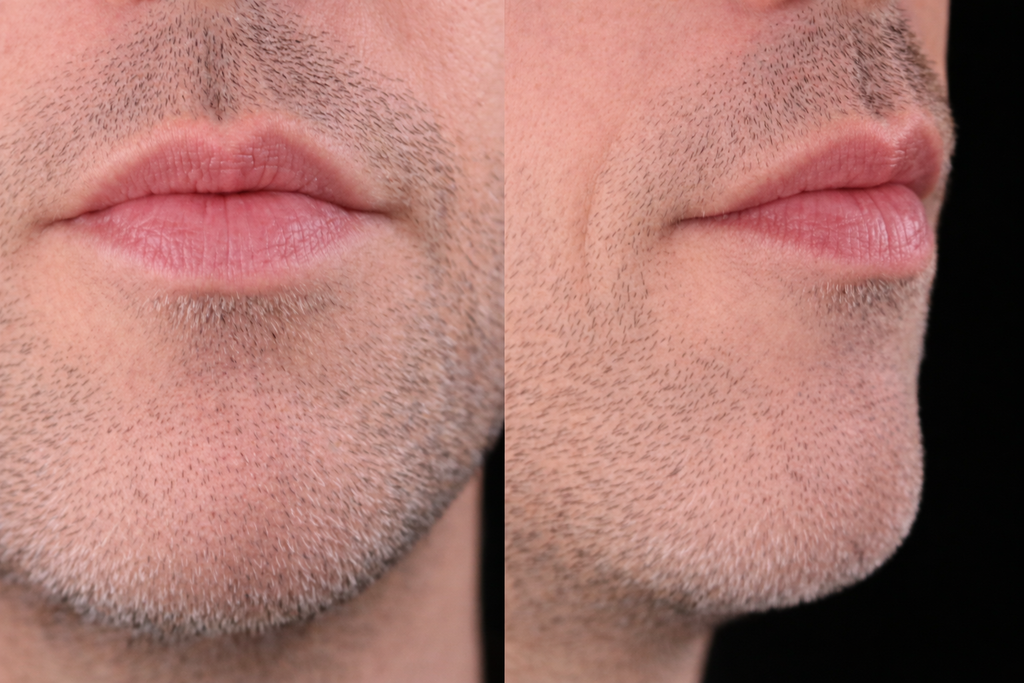
Now you try.
Record yourself saying "Bat" and "Pat" a few times. Listen back — your own ear is the best feedback for nailing the contrast.
Words that change with one sound.
Every pair below differs by exactly one sound: flip /b/ to /p/ and the meaning flips with it. Tap any word for its full breakdown.
If your ear blurs them, here's why.
Languages like Spanish, French, Italian, and Russian don't aspirate their /p/ at the start of words. The breath release that English speakers expect just isn't there, so a Spanish speaker's pin sounds to American ears like an unaspirated /p/, which is what English uses for /b/. The classic test: hold a piece of paper an inch from your lips and say pin. The paper should flutter. If it doesn't, the aspiration is missing. Voicing matters too, but for most ESL speakers, getting the aspiration right is the bigger move.
Train the muscle, then the ear.
4 short drills. Do them out loud: feel the change inside your mouth before you try to hear it.
Hold a piece of paper an inch from your lips. Say pin, pen, pat, park, push. The paper should flutter visibly each time. If it doesn't, you're not aspirating enough.
Try the throat-buzz check: place your fingertips on your throat and say buh, buh, buh. You should feel a continuous buzz. Now whisper puh, puh, puh, or make just the 'p' sound with no vowel at all. You should feel no buzz on your throat, just air pulses. Practice switching between them.
Read minimal-pair sentences: A big pig, Pet the bet, Pull the bull from the pool. Exaggerate the puff on every /p/ until aspiration becomes automatic.
Say pin, then spin. Feel how the strong puff of air on pin almost disappears when you add the S. The aspirated /p/ is only for the start of stressed syllables. This is normal English.
Common questions about Bat vs Pat.
Why do my Ps sound like Bs in English?
Is the difference between B and P just about voicing in English?
Are P and B pronounced the same at the end of a word in English?

Master Bat vs Pat with an AI coach.
SayWaader is the AI pronunciation coach for American English. Practice 5 minutes a day. Get a 5-axes accent assessment. Sound like you live here.