b/b/
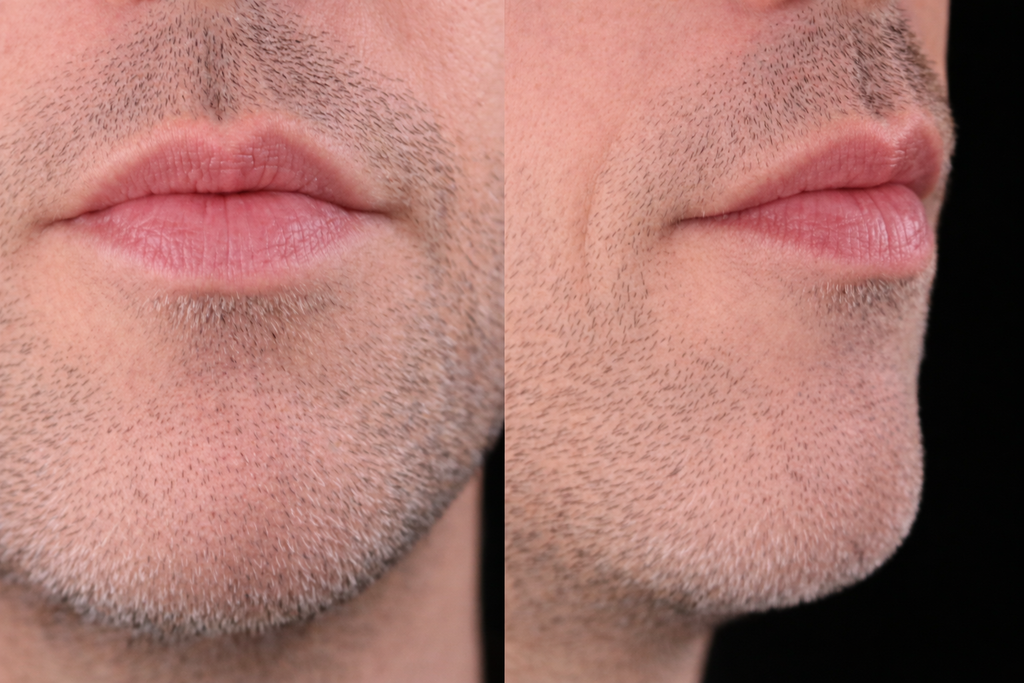
Press your lips together, add vocal cord vibration, then release.
Americans pronounce books as BUUKS (/bʊks/). You'll hear it in sentences like "I struggle to finish books that start very slowly" or "My brother has three thick books about the weather" — more examples below.
Record yourself saying "books" and play it back. The mic stays on your device — nothing's uploaded.
1 syllable, 4 sounds. Explore each sound's mouth shape and how it's made.
Press your lips together, add vocal cord vibration, then release.
Bring the corners of your lips in slightly so they push forward, but keep them relaxed. Lift the back of your tongue toward the roof of the mouth.
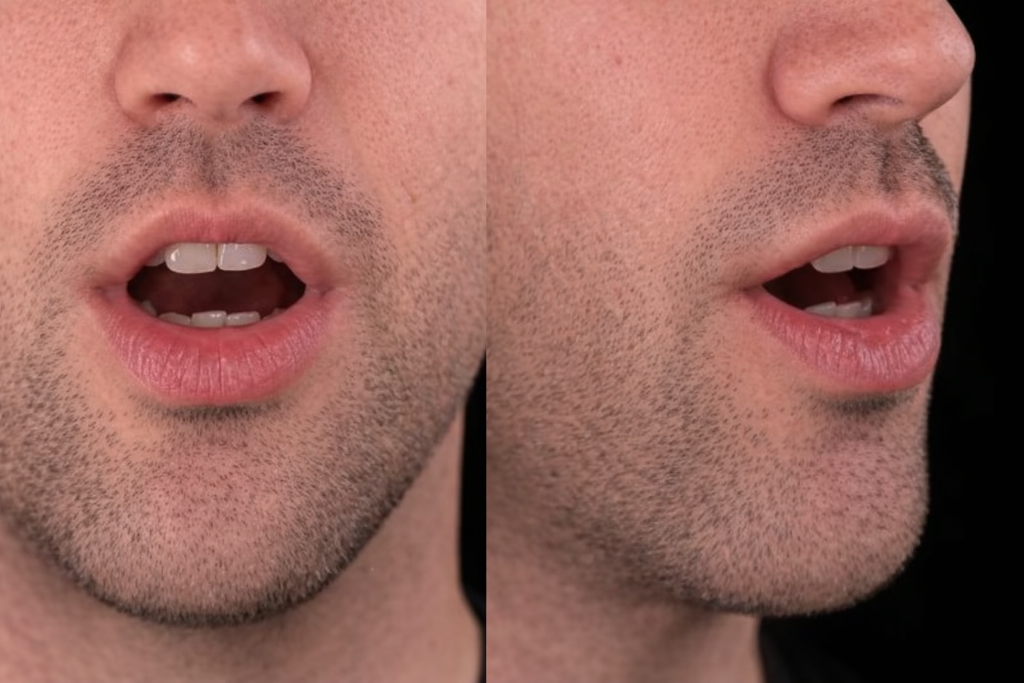
Raise the back of your tongue to touch the soft palate (velum). Stop the air, then release.
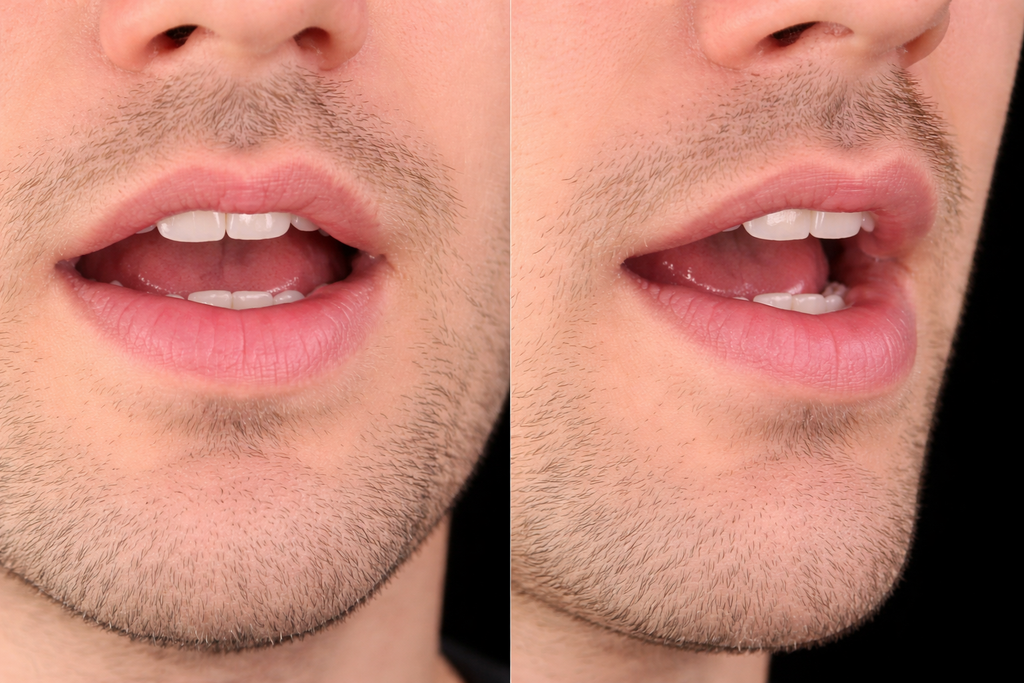
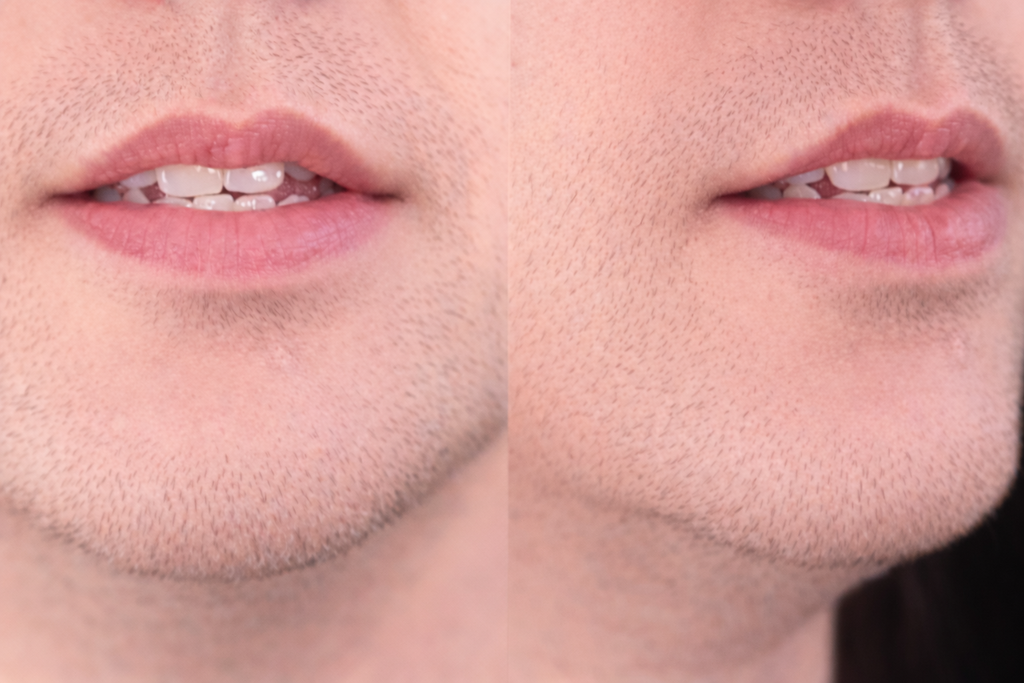
Place your tongue tip near the roof of your mouth behind your top teeth. Push air through the narrow gap. No voicing.
Click any sentence to see the full breakdown — every link, every reduction, every flap-T.

SayWaader is the AI pronunciation coach for American English. Practice 5 minutes a day. Get a 5-axes accent assessment. Sound like you live here.