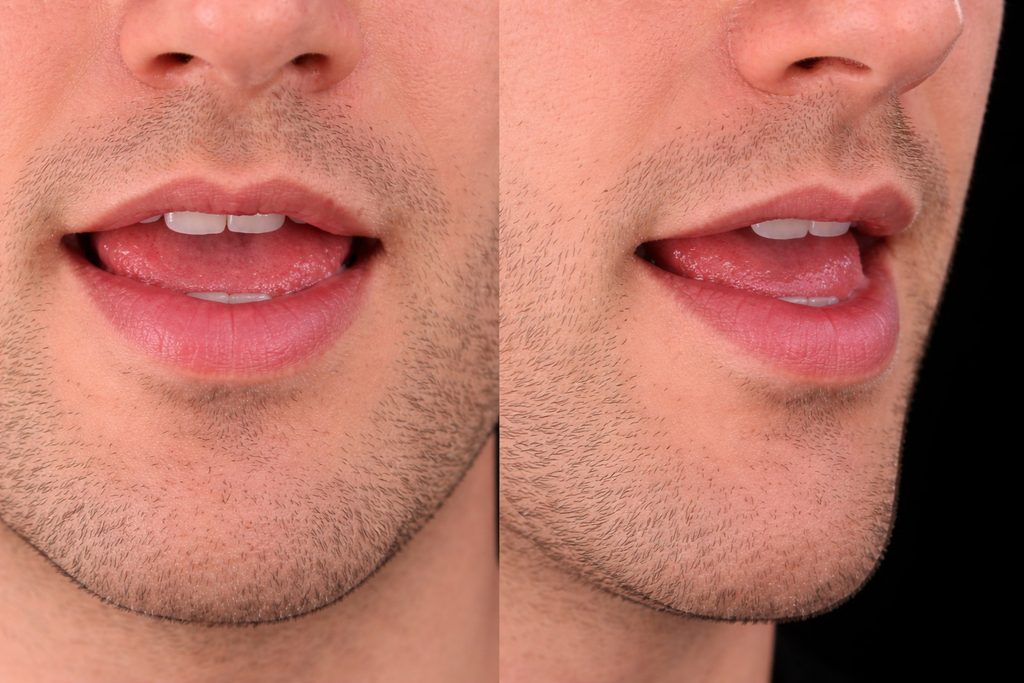
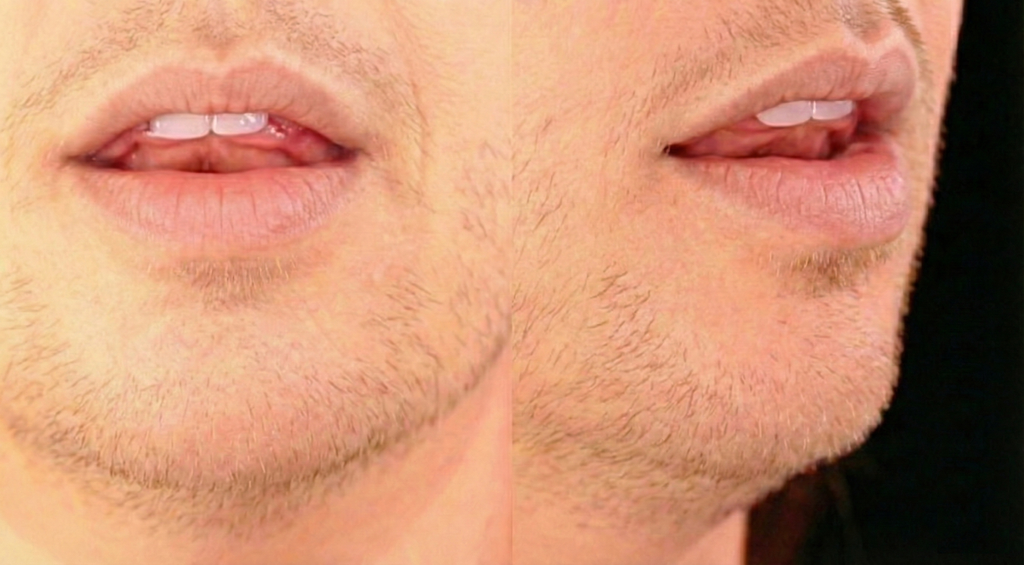
How to pronounce in in American English
ihn
Start here
Americans pronounce in as ihn (/ɪn/).
Now you try.
Record yourself saying "in" and play it back. The mic stays on your device — nothing's uploaded.
Why it sounds different
Why "in" sounds like ihn.
The "" at the end of "" flows directly into the vowel starting "" — the consonant migrates to the next word with no pause between. This is called the Consonant-to-Vowel Linking, what turns word-by-word reading into actual conversation. It comes out as ihn.
In real conversation
Hear "in" in the wild.
Click any sentence to see the full breakdown — every link, every reduction, every flap-T.

"A little apple fell right in the middle of the street."
uh LIH·duhl A·puhl FEHL RAHYT ihn dhuh MIH·duhl uhv dhuh STREET
"A massive gap in candidates was apparent."
uh MA·suhv GAP ihn KAN·duh·dayts wuhz uh·PEH·ruhnt
"Advocates are calling for greater diversity in leadership positions."
AD·vuh·kayts er KAH·luhng fer GRAY·der duh·VUR·suh·tee ihn LEE·der·shuhp puh·ZIH·shuhnz
"All incidents must be documented in the official safety log book."
AHL IHN·suh·duhnts muhst bee DAH·kyuh·mehn·tuhd ihn dhee uh·FIH·shuhl SAYF·tee LAHG BUUK
"Arthur had a toothache in his mouth south."
AR·ther had uh TOOTH·ayk ihn hihz MOWTH SOWTH
"Astronauts float in zero gravity aboard the space station."
A·struh·nahts FLOHT ihn ZEE·roh GRA·vuh·dee uh·BORD dhuh SPAYS STAY·shuhn
Questions
Questions people ask about this.
Is the American pronunciation of "in" different from British English?
American English uses different vowel shapes, a relaxed retroflex R, and connected-speech tricks like flap-T and glottal-stop T that British Received Pronunciation generally avoids. The respell "ihn" reflects the casual American form; British dictionaries typically print a citation form with crisper consonants and different vowel choices.