j/dʒ/
Touch the front of your tongue to the roof of your mouth, then release into a 'zh' position. Add vocal cord vibration.
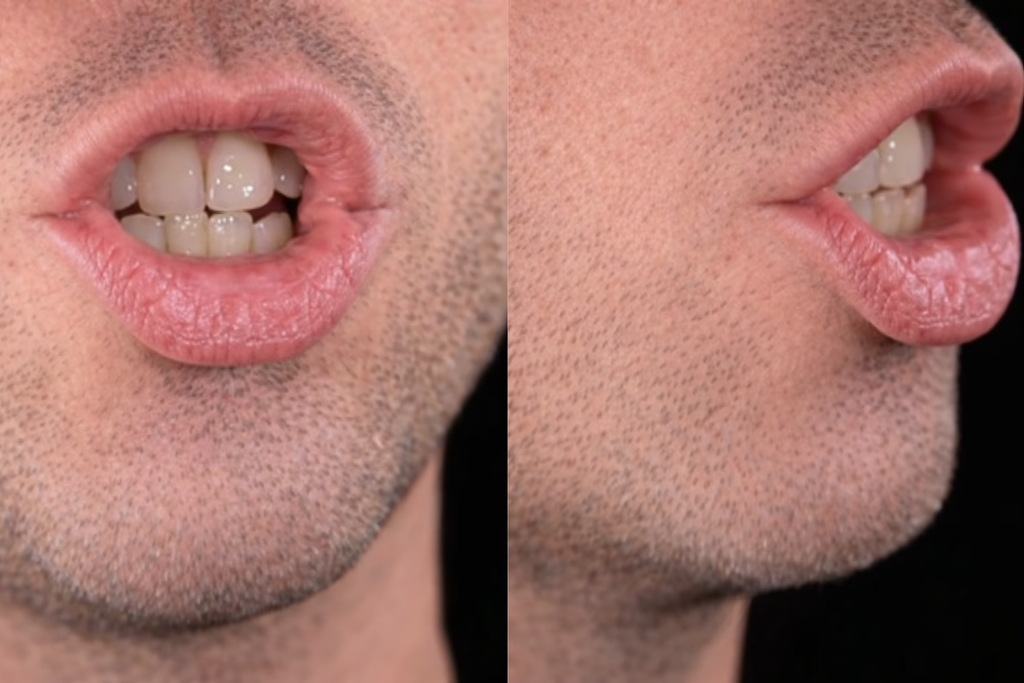
Americans pronounce join as JOYN (/dʒɔɪn/). You'll hear it in sentences like "Clean the pan and then join the plan" or "Would you like to join us for dinner?" — more examples below.
Record yourself saying "join" and play it back. The mic stays on your device — nothing's uploaded.
1 syllable, 3 sounds. Explore each sound's mouth shape and how it's made.
Touch the front of your tongue to the roof of your mouth, then release into a 'zh' position. Add vocal cord vibration.
Start with rounded lips and tongue shifted back. Glide to relaxed lips with the tongue arching forward and up.
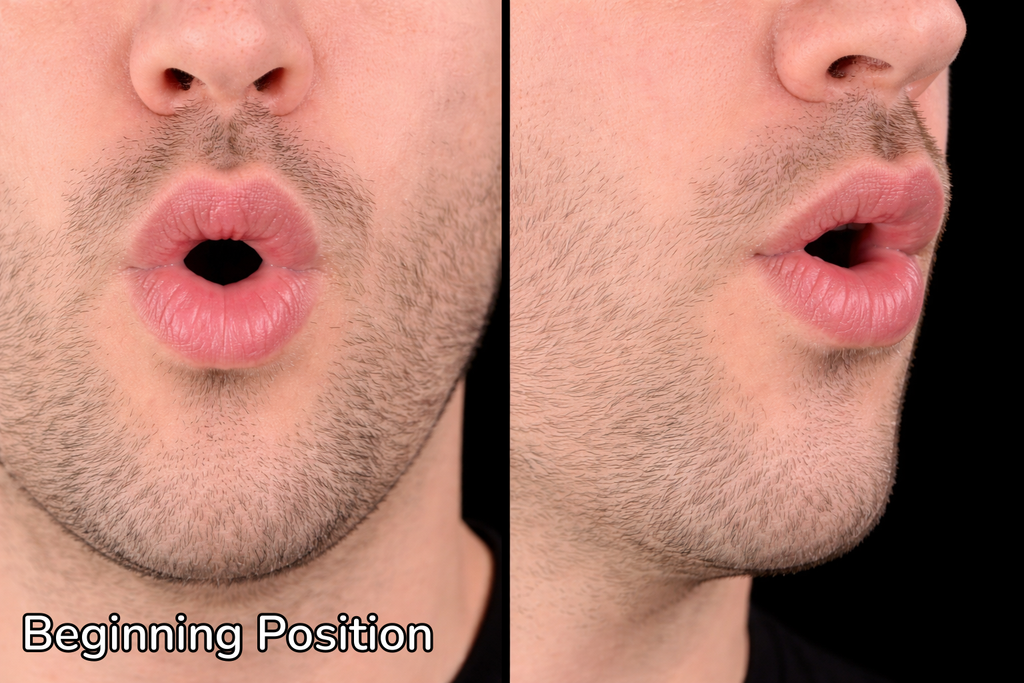
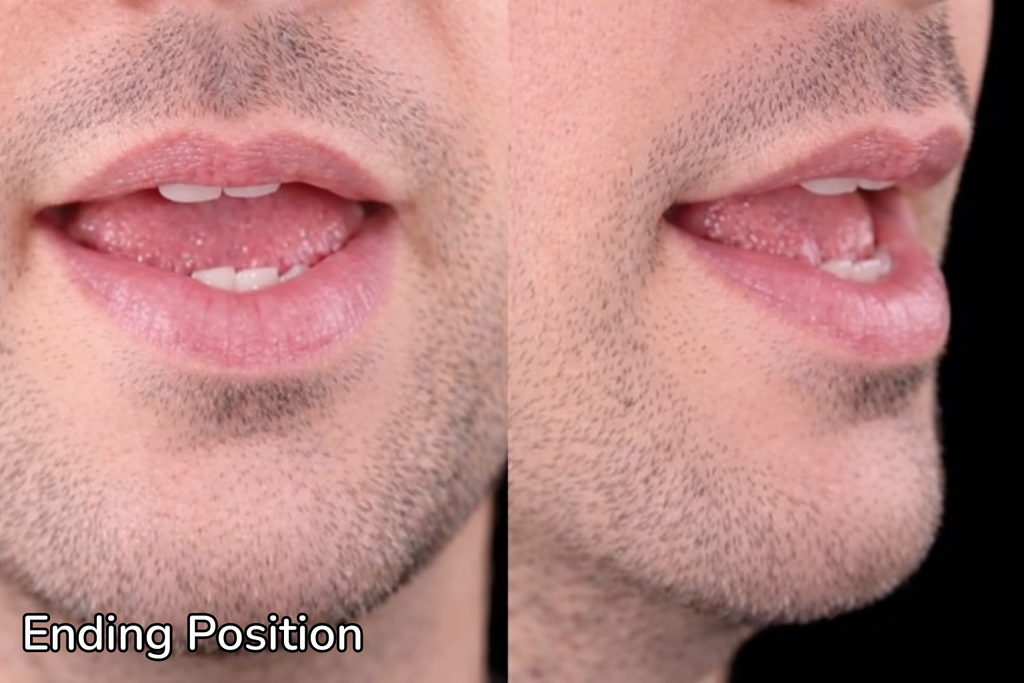
Touch the tip or front edge of your tongue to the roof of your mouth behind your teeth. Air flows through your nose.

Click any sentence to see the full breakdown — every link, every reduction, every flap-T.

SayWaader is the AI pronunciation coach for American English. Practice 5 minutes a day. Get a 5-axes accent assessment. Sound like you live here.